




RELATED: FRA issues Final Rule for high-speed rail operations
U.S. DOT announces rail funding, ferry service grant opportunity
Will improve the safety, efficiency, and reliability of intercity passenger rail systems, as well as passenger ferry systems.
February 11, 2019
2 min to read
The U.S. DOT’s Federal Railroad Administration (FRA) announced more than $56.9 million in grant funding for 18 projects in 16 states. The funding will improve the safety, efficiency, and reliability of intercity passenger and freight rail systems under the Consolidated Rail Infrastructure and Safety Improvements (CRISI) program.
“These funds will help repair and upgrade rail infrastructure that will increase safety and service,” said U.S. Transportation Secretary Elaine L. Chao.
CRISI grants invest in rail infrastructure. The Department’s Notice of Funding Opportunity (NOFO) reserved at least 25% of the awards for rural projects. The 2017 Appropriations Act required $10 million for projects that contribute to the restoration or initiation of intercity passenger rail service.
FRA considered several criteria as stated in the NOFO when selecting projects. These included key departmental objectives, such as supporting economic vitality; leveraging federal funds to attract other sources of funding; preparing for project lifecycle costs; using innovative approaches to improve safety and expedite project delivery; and holding recipients accountable for achieving specific, measurable, outcomes.
The proposed project will implement a grade crossing consolidation plan and other grade crossing improvements along a 19-mile segment in southwest Missouri. Five crossings will be closed and nine additional crossings will receive safety improvements, including active warning devices and gates, vertical and horizontal geometric improvements, adjacent roadway intersections, crossing surfaces, accessible sidewalks, pavement marking, security fencing, and drainage.
Meanwhile, the Federal Transit Administration (FTA) announced the opportunity to apply for approximately $30 million in Fiscal Year 2019 competitive grant funding for passenger ferry projects nationwide.
The Passenger Ferry Grant Program is authorized by Congress for projects that develop and support ferry service on many of the nation’s waterways, including the purchase, repair, and modernization of ferry boats, terminals, and related facilities that communities depend on.
FTA will award competitive grants to states and public entities to purchase, repair, or modernize ferry boats, terminals, and related facilities and equipment, supporting existing ferry service and the establishment of new passenger ferry service.
Projects will be evaluated and selected based on criteria outlined in the NOFO, including the need for improvements, demonstration of benefits to transit service, and integration with local and regional long-term planning. Applications will be accepted until April 15, 2019.
More Management

Brian Dickson on Building Stronger, More Resilient Transportation Organizations
Bus Business Consultants Founder Brian Dickson discusses the leadership principles, operational discipline, and strategic planning that separate transportation companies positioned for long-term success from those stuck in survival mode.
Read More →
LA Metro Breaks Ground on Vermont BRT Project
The 12.4-mile corridor is projected to serve 66,200 daily riders, reduce travel times by up to 24%, and create the nation's busiest bus rapid transit corridor.
Read More →
Building Stronger Leaders, More Resilient Transit Teams
Dr. Carol Parker Walsh discusses leadership development, employee retention, workplace culture, and preparing transit’s workforce for AI and automation.
Read More →
Roman Cornell on ABC Companies’ Evolution and the Future of Passenger Transportation
The company’s CEO discusses carrying forward a third-generation family legacy, ABC’s continued evolution in passenger transportation, support for increasingly complex fleets, and how technology and continued investment could help operators improve uptime.
Read More →
CATS Launches West Charlotte Microtransit Zone, Expands Transit Services
The new microtransit zone connects residents to key destinations as Charlotte Area Transit System rolls out the first phase of its 2055 Transit System Plan.
Read More →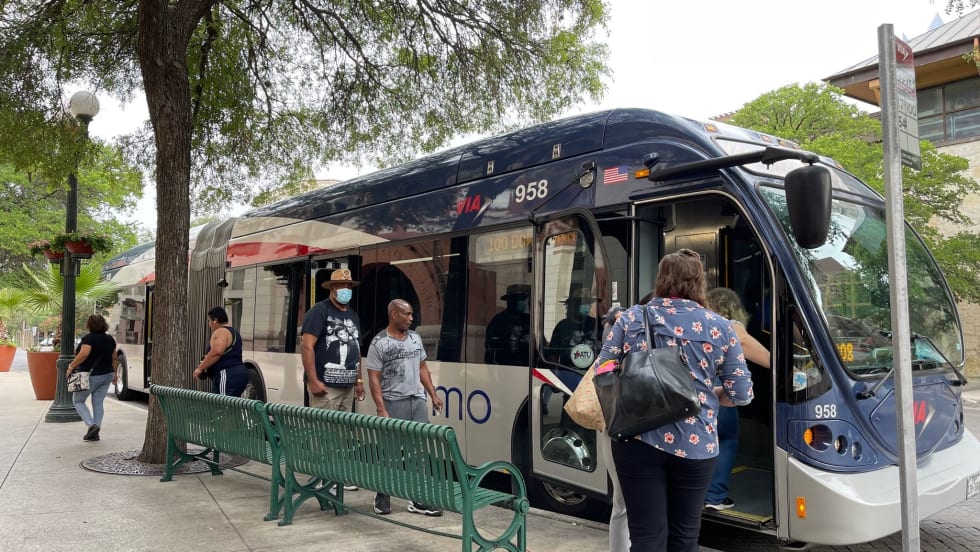
VIA Bus Ridership Grows 10.1% Through August 2026
San Antonio's VIA Metropolitan Transit reported the highest bus ridership growth among major Texas transit systems. Federal Transit Administration data ranked it second among the nation's 50 largest transit systems.
Read More →
CSA Group Releases Climate Resilience Standard for Transit, Passenger Rail
Developed with support from the Standards Council of Canada, CSA D700 guides assessing climate-related risks and planning adaptation measures for transit and passenger rail systems.
Read More →
ETA CEO John Maglio on Transit Technology, Innovation, and Building Agency Trust
ETA founder and CEO John Maglio explores the evolution of transit technology, the importance of reliable systems, and how stronger partnerships can help agencies improve operations and the passenger experience.
Read More →
COTA Launches First Customer Experience Action Plan to Improve Transit Service
The new plan outlines improvements to service reliability, accessibility, communication, and the overall rider experience across Central Ohio's transit system.
Read More →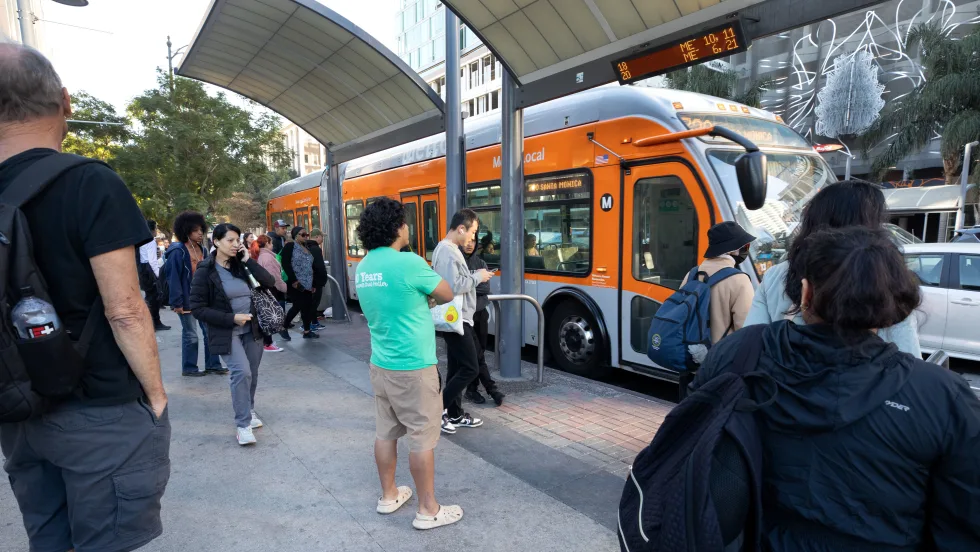
LA Metro September Ridership Climbs 3.9%, Led by Rail Growth
The agency recorded more than 27.2 million boardings, with rail ridership increasing 12.4% year over year and the D Line posting the largest gains.
Read More →