



New report examines if 'See Something, Say Something' is working
On-site police, security personnel, transportation employees, train and bus passengers, and ordinary citizens have prevented 10.6% of the 5,372 terrorist attacks on public transit.

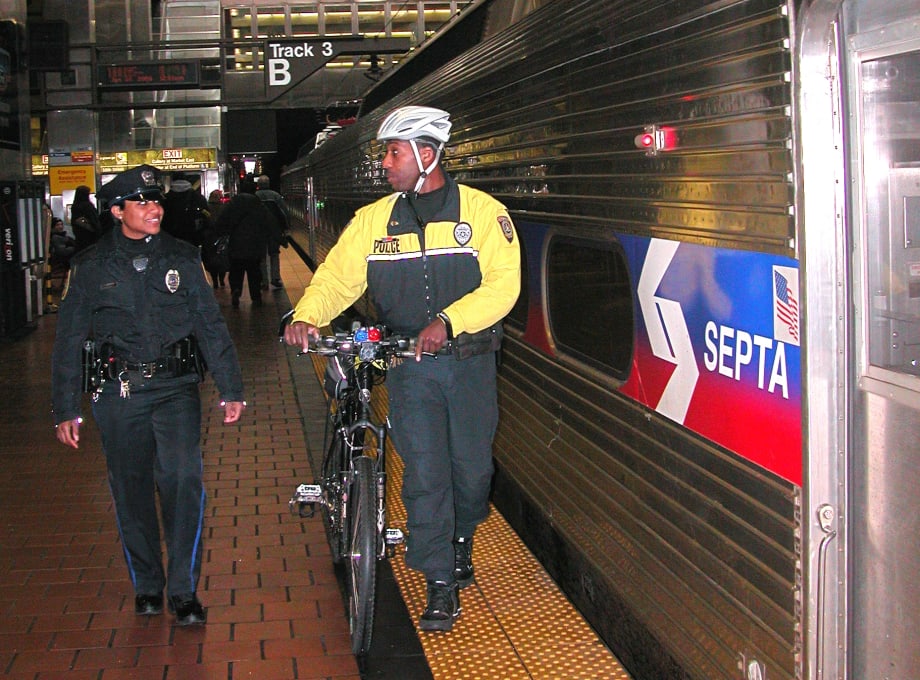
The latest report from the Mineta Transportation Institute found that 1,381 of attacks were directed at trains and train stations.
SEPTA
The latest report from the Mineta Transportation Institute found that 1,381 of attacks were directed at trains and train stations.
SEPTA
On-site police, security personnel, transportation employees, train and bus passengers, and ordinary citizens have prevented 10.6% of the 5,372 terrorist attacks on train, bus, track, and road targets in public surface transportation systems since 1970, according to a new Mineta Transportation Institute (MTI) report, “Does ‘See Something, Say Something’ Work?”
Ninety-nine percent of the attacks prevented involved suspicious packages, most of which turned out to be bombs.
“By discovering and reporting suspicious objects, [transport staff and passengers] have prevented more than 10% of all terrorist attacks on public surface transportation,” said report author Brian Michael Jenkins, MTI’s national transportation security center director. “Detection rates are even better in the economically advanced countries where more than 14 percent of the attempts are detected — and have been improving.”
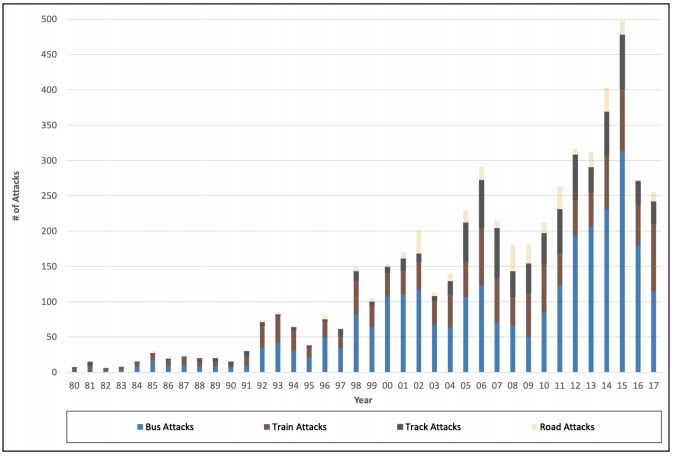
Figure 1: Number of Attacks by Target Category
The perspective reports the following findings with regard to the campaign’s effectiveness based on varying circumstances and factors:
13.8% of suicide bombers were detected, which is better than the rate for detecting devices left by non-suicide attacks, which is 10.6%.
14.2% of attacks are detected in Group One countries (those like the U.S. with high-income economies), giving them the highest detection rates.
2,793 of attacks were directed against buses, bus stations, and people waiting at bus stops.
1,381 of attacks were directed at trains and train stations.
835 were attacks on railroad tracks.
363 were highway targets like vehicle bridges and tunnels.
“Since 1980, the worldwide detection rate has improved for attacks on train, track, and road targets, but not for attacks on buses, which has only slightly declined. Group One countries have shown the greatest improvement, and the detection rates for track targets is approaching 30%, and 20% for train targets,” said Bruce Butterworth, former director, aviation security operations, at the Federal Aviation Administration.
More Security and Safety

Transit Agencies Highlight Safety Gains at National Summit
Leaders from 15 major transit systems shared crime-reduction results and safety initiatives while discussing the role of continued federal support.
Read More →
DART Launches Major Security, Fare Enforcement Initiative
The 90-day demonstration will deploy coordinated security teams at five light rail stations while testing controlled access and gathering data to guide future investments.
Read More →
RTD Launches NextRide App to Consolidate Trip Planning, Fares, Security Reporting
The app expands on RTD’s existing NextRide web application and allows customers to view real-time vehicle locations and service alerts, purchase and store digital fares, and access customer support.
Read More →

TAPTCO Updates OSHA Compliance Training for Transit Maintenance Operations
The revamped program addresses 26 OSHA standards for maintenance facilities, with TAPTCO pointing to training, documentation, and everyday shop hazards as continuing challenges for transit operations.
Read More →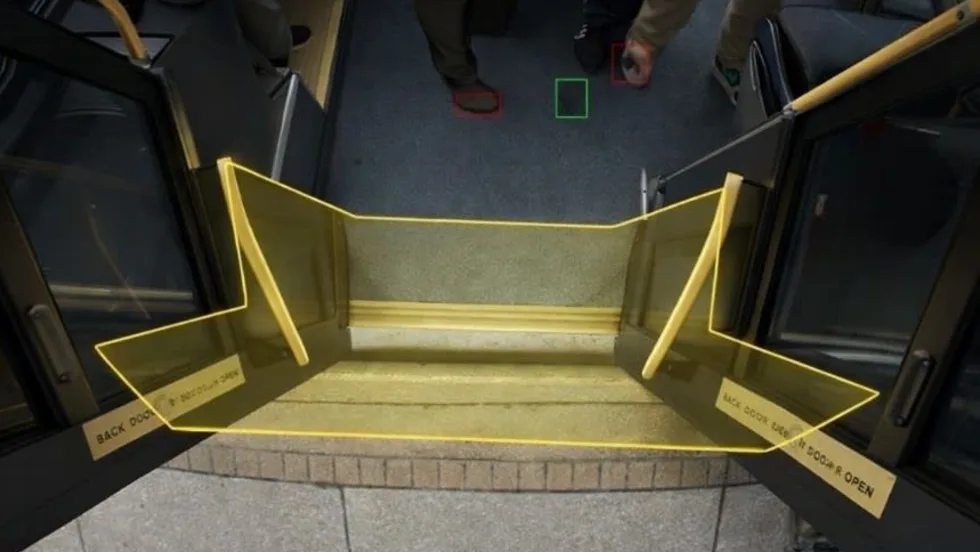
How VaporVision Adds Value to Transit Door Systems
Wabtec engineers explain how the system improves doorway detection, strengthens diagnostics and gives transit agencies and OEMs greater operating flexibility.
Read More →
FRA Announces $5.3B in Rail Investments, Including $2B for Amtrak
Funding will support grade-crossing improvements, infrastructure upgrades, and new Amtrak equipment in 23 states.
Read More →
Chicago, Maryland Expand Non-Law-Enforcement Safety, Rider Support
The CTA and MTA are launching new programs aimed at de-escalation, crisis response, rider assistance, and greater transparency.
Read More →
LA Metro, City of West Hollywood, and Partners Advance Smarter Bus Lane Enforcement
The award-winning partnership combines AI-powered detection with human oversight to improve bus reliability, accessibility, and enforcement efficiency.
Read More →
LA Metro Reports 57% Decline in Homelessness on Transit System Since 2024
The agency's latest homelessness count offers new data on how care-based services and cross-sector partnerships can complement traditional transit security strategies.
Read More →
FTA Launches 'Transit Moves America' Dashboard to Highlight Agency Safety and Performance
The online dashboard transforms National Transit Database information into a public-facing resource that allows users to compare transit agencies on key operational and safety metrics.
Read More →