



Phoenix voters defeat measure to end light rail construction
The vote marks the fourth time since 2000 that Phoenix voters have publicly supported light rail through the election process.
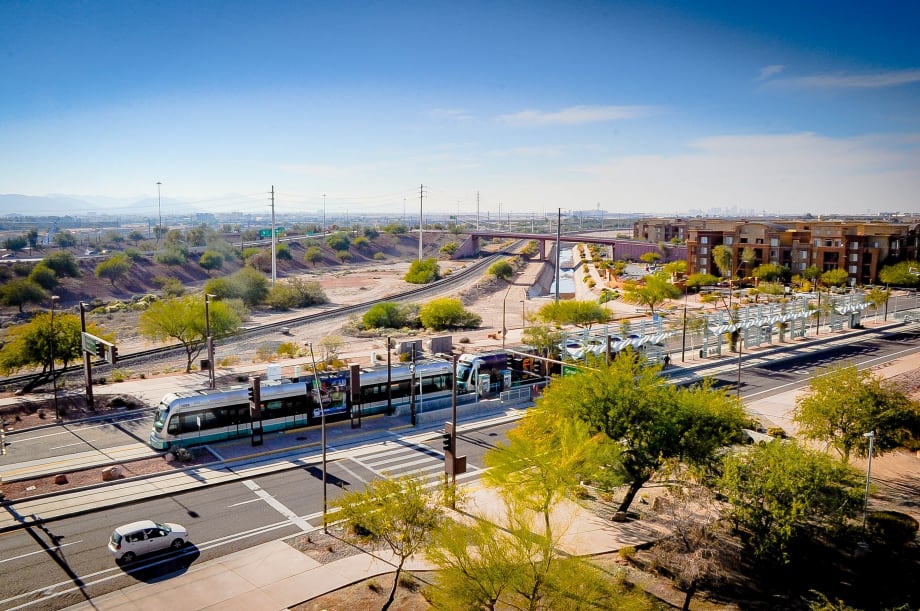
Valley Metro's 28-mile light rail system supports job growth and community-wide health benefits, while also generating investment.
Valley Metro
Valley Metro's 28-mile light rail system supports job growth and community-wide health benefits, while also generating investment.
Valley Metro
Voters in Phoenix defeated Proposition 105, which would have ended all Valley Metro light rail construction, prohibited future rail investment, and returned billions in federal dollars previously pledged to expand the regional transit system, by a vote of 62% to 38%.
The vote marks the fourth time since 2000 that Phoenix voters have publicly supported light rail through the election process.
“Congratulations to the forward-thinking residents of Phoenix, who voted to ensure that their light rail system can expand to better serve the transit needs of a rapidly growing city looking to the future, said American Public Transportation Association President and CEO Paul P. Skoutelas. “Phoenix made it resoundingly clear to the naysayers that light rail is essential to their economy and their community.”
The vote means that Valley Metro will continue to build-out the regional rail system, including the South Central Extension/Downtown Hub, Northwest Extension Phase II, and Capitol/I-10 West Extension, which are all currently underway.
Proposition 105 — the latest in a string of anti-public transportation initiatives — would have prohibited the city from spending money on development, construction, expansion, or improvement of light rail transit, with an exception for PHX Sky Train. It would have allocated any revenue from the city's 0.7% transportation sales tax that was previously allocated toward light rail development to other city infrastructure. The initiative would have also earmarked any revenue allocated to light rail development along Central Avenue south of Washington Street specifically for infrastructure in South Phoenix. Overall, Proposition 105's provisions reallocating revenue would have applied to any collected, unspent revenue as well as future revenue.
Valley Metro’s victory continues the nationwide trend of public transit’s success at the ballot box. In 2018 for example, voters across the country approved nearly $41 billion in new investment for transportation at the ballot box, with a success rate of 77%, according to analysis by the Eno Center for Transportation.
“Our analysis found that voters have a tremendous appetite to fix their infrastructure and expand transportation opportunities, but that certain kinds of measures had more success at the ballot box than others,” said Robert Puentes, president/CEO of Eno.
The 28-mile light rail system supports job growth and community-wide health benefits, while also generating investment, including an estimated $11 billion in development around the system.
Valley Metro said it will continue to partner with the community and help local businesses before and during the construction of current and future extensions. Related to the South Central Extension/Downtown Hub, the business assistance program has started earlier than ever before and it has the largest budget allocated to technical, financial, and marketing assistance programs than any other prior rail project in metro Phoenix.
More Management

Bus Tech Talk: Keeping Transit Technicians Ahead of the Technology Curve
LA Metro’s Obed Mejia discusses technician training, evolving maintenance technology, fleet replacement, and strategies for getting the most out of today’s transit fleets.
Read More →
Why Simulating Pedestrian Movement Has Become Essential for Modern Rail Stations
Pedestrian microsimulation is helping rail planners identify bottlenecks, test station designs, and prepare complex transit hubs for growing passenger volumes.
Read More →
People Movement: Holly Arnold Joins Transdev and More
In this edition, we also cover recent appointments and announcements at Pace, CamTran, MCI, and more, showcasing the individuals helping to shape the future of transportation.
Read More →

NITA Launches New Era of Regional Transit in Chicago
The new authority replaces the RTA and brings CTA, Metra, and Pace under a strengthened regional framework for funding, planning, fares, safety, and service coordination.
Read More →
How World Cup Mobility Put Transit and Motorcoaches to the Test
Behind the seamless trips were months of planning, multimodal partnerships, and lessons agencies and operators can carry into the next mega-event.
Read More →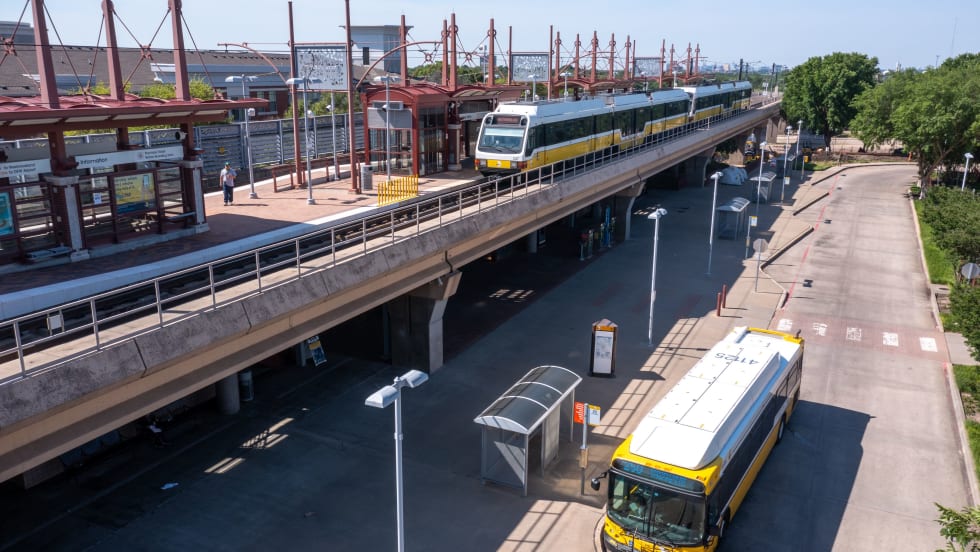
DART Introduces Dashboard to Track Ridership Data
The initial release represents the first phase of DART’s efforts to expand access to ridership information. Additional dashboard features, data, and functionality will be introduced in future phases.
Read More →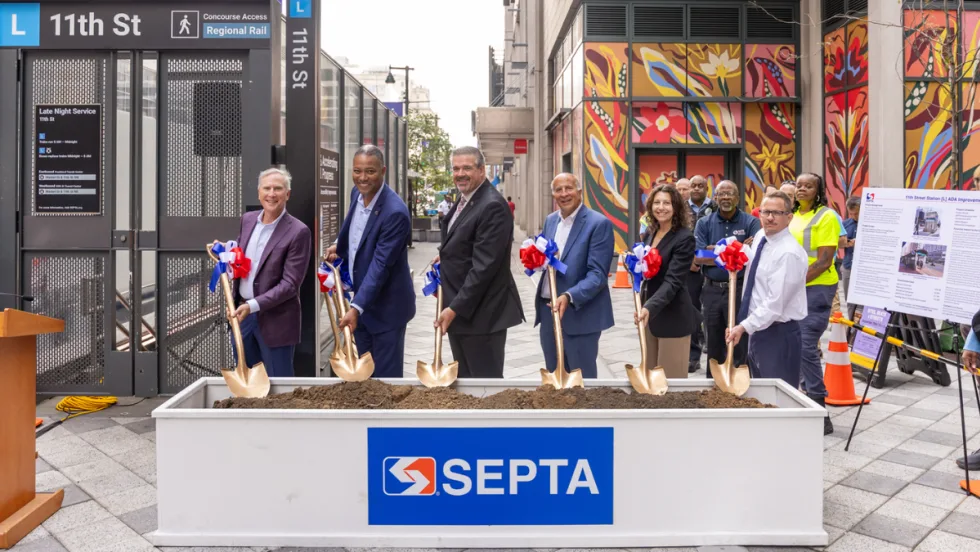
SEPTA Breaks Ground on $44M Accessibility Upgrade at 11th Street Station
The project will add elevators and other upgrades to make the busy L station fully ADA accessible, with a yearlong closure expected to accelerate construction and save up to $3 million.
Read More →
FTA Opens $610M for Transit Fleet Modernization
Propane autogas gives transit agencies a reliable, funding-eligible option for fleet upgrades.
Read More →
NJ TRANSIT Explores Unified Real-Time Customer Communications Platform
The agency is gathering industry input on AI, real-time data, and integrated communications technology as it prepares to procure a system that delivers faster, more consistent transit updates across every customer channel.
Read More →
RTD Launches NextRide App to Consolidate Trip Planning, Fares, Security Reporting
The app expands on RTD’s existing NextRide web application and allows customers to view real-time vehicle locations and service alerts, purchase and store digital fares, and access customer support.
Read More →