



RELATED: Transdev receives Foothill Transit contract renewal
Q&A with APTA Chair Doran Barnes
METRO spoke with Barnes about his priorities for his term as APTA chair.
by Janna Starcic, Executive Editor
February 28, 2017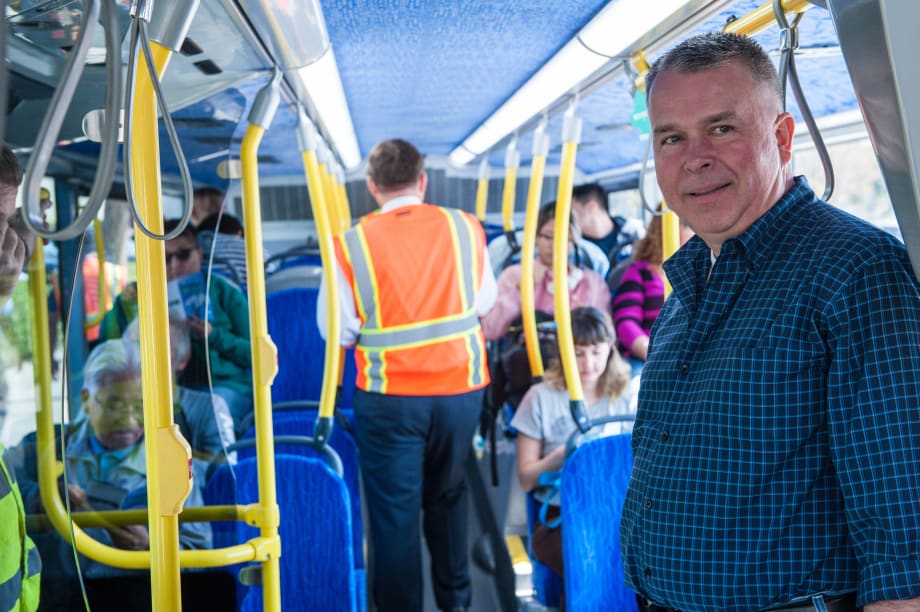
5 min to read

Doran Barnes serves as executive director of Foothill Transit and is the current chair of the American Public Transportation Association (APTA). He oversees Foothill Transit’s 39-route system, manages the private contractors who operate and maintain the agency’s 360 buses, and leads the delivery of service to 14 million customers annually. Barnes became Foothill Transit’s executive director in August 2003. He also serves on the board of directors of Access Services, the regional paratransit operator for all of Los Angeles County. METRO spoke with Barnes about his priorities for his term as APTA chair.
What is your plan to make sure transit is well-positioned in the new Administration’s agenda?
APTA has developed and is executing an advocacy plan for the new Administration and Congress, which makes the case for increased investment. The APTA board of directors has approved a set of recommendations, developed by our Legislative Committee, for an ‘Infrastructure Initiative.’
We have already forged good relationships with the U.S. Department of Transportation Secretary Elaine Chao. APTA looks forward to working with the new Administration and Congress on President Trump’s infrastructure initiative to ensure that people have access to jobs and other opportunities, thereby strengthening the economic competitiveness of their communities. We continue to strengthen APTA’s partnerships at all levels of government so our members are at the heart of the national dialogue about public transportation. This will be a major focus throughout 2017.
As one of your key initiatives as chair, provide some specifics of how you will focus on safety?
We’re working with our members to help implement safety programs that meet new SMS-based regulations and strengthening our efforts to develop and maintain key safety-based standards. Later this month, we’ll be building on our International Security Exchange to Europe with TSA and the FBI to discuss evolving security threats. And, APTA will sponsor a study mission to Asia this spring that will focus on safety cultures and state of good repair.
We are also keenly aware that public transportation is one of the primary targets for terrorism. Therefore, consistent investment, in both dollars and vigilance, is essential. APTA is working to strengthen and reinforce the development and implementation of safety and security standards while advocating for enhanced analysis of available safety data. Creating and maintaining a ‘safety- and security-first culture’ has always been a top priority of APTA and is a key initiative in our Strategic Plan.
Discuss ways you will work to ensure APTA is delivering good value to its members?
The Revenue Task Force, under the direction of Secretary Treasurer Kim Green, is working hard and focusing on the many facets of APTA’s value proposition. The findings of this task force will help to ensure that we are providing the very best value to all APTA members in the years ahead. We must have the active participation and contribution of all our members to be a vital and robust organization, and I am using my year as chair to encourage members to get involved and stay involved.

As executive director of West Covina, Calif.-based Foothill Transit, Barnes leads the delivery of service to 14 million customers annually.
What is the plan to enhance diversity/inclusion?
For several years, APTA has had a sound diversity plan that has been a valuable resource for our members. To keep pace with social, legal, and workplace changes, our Diversity Council, chaired by APTA Vice Chair Nathaniel P. Ford, and with representation from all of our key committees, concluded that we needed to take our efforts to the next level. As a result, we’ve been shifting from a prescriptive approach to instead focus on ways to foster a culture of inclusion. This year-long initiative is intended to strengthen and expand APTA’s diversity plan, create new methods to ensure all APTA members feel welcome to participate, and measure our progress in ‘walking the talk’ across the association.
Are there other key initiatives where progress has been made?
Thanks to the coordinated efforts of the APTA board of directors and APTA staff, we’re in the process of updating our association’s bylaws and governance structure. The changes will reaffirm the necessity of a broad-based board while defining clear responsibilities for both the board — as the strategic governing body — and the Executive Committee — as the operational governing body. In addition, the proposed changes will align the seats on the Executive Committee with the strategic segments of APTA’s membership by providing new at-large seats open to all eligible APTA members. The updated bylaws reflect the diversity of APTA’s membership and ensure a variety of interests are represented in the association’s governance.
One of the most important initiatives underway is the search for APTA’s next president and CEO. Acting President/CEO Richard White’s strong and steady leadership allows us to take the necessary time to update our governance structure prior to bringing on our new CEO. The CEO Task Force, which I am leading, has begun the process to make sure that we hire the very best individual to lead us into the future.
How has being a graduate of the Leadership APTA program helped you in your job as a transit leader and prepared you for your role as chair?
Leadership APTA provided invaluable benefits to me in three critical ways. First, it gave me a richer and more complete understanding of our industry — across different types of communities, modalities, customers, and visions for the future. Second, it provided a gateway to all that APTA offers — from its many committees and working groups to conferences, policy papers, and professional development opportunities. Finally, Leadership APTA allowed me to expand my professional network. The importance of this last benefit cannot be overstated. Years after graduating from the program, I still maintain and rely upon the expertise, advice, and friendship of the people I met through Leadership APTA. Thanks to this network, I’m a better-informed leader and a more effective APTA Chair.
Subscribe to Our Newsletter
More Management

Bringing Austin’s First Light Rail System to Life
Austin Transit Partnership CEO Greg Canally discusses the city's nearly 10-mile light rail project, its collaborative approach to project delivery, the importance of community engagement, and the milestones ahead as construction approaches in 2027.
Read More →
ETA CEO John Maglio on Transit Technology, Innovation, and Building Agency Trust
ETA founder and CEO John Maglio explores the evolution of transit technology, the importance of reliable systems, and how stronger partnerships can help agencies improve operations and the passenger experience.
Read More →
Metra Draft Plan Outlines Costs, Service Improvements for Regional Rail
The Systemwide Network Plan identifies infrastructure needs and potential investments to expand all-day, bidirectional rail service across the Chicago region.
Read More →
New Orleans RTA Names Augustine III as New CEO
In this edition, we also spotlight recent personnel moves at HDR, PATH, STV, and more, highlighting the people taking on new roles across the transportation industry.
Read More →
How Transit Agencies Are Using Free Rides to Improve Voting Access
Transit agencies are using fare-free service, trip-planning tools, and targeted rides to improve voting access. See what other agencies can learn from these efforts.
Read More →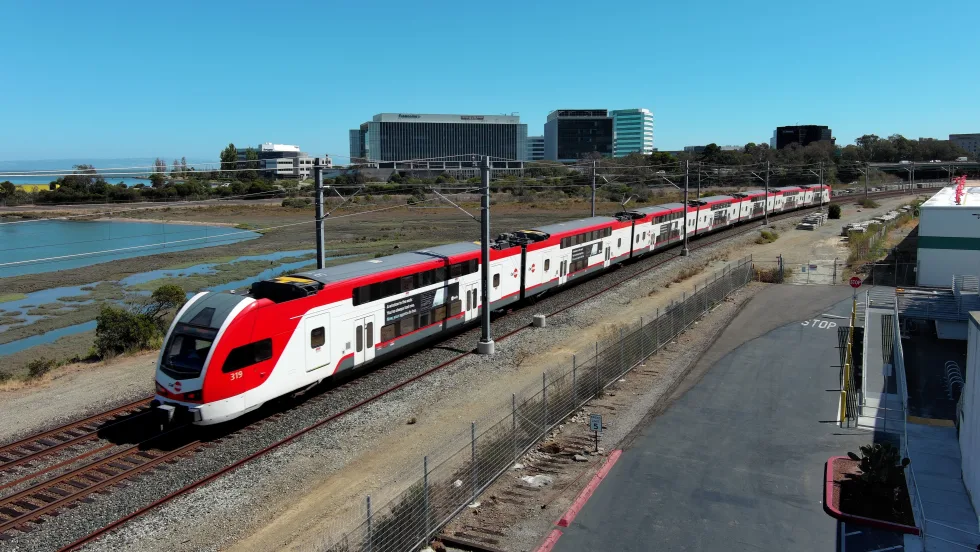
Caltrain’s Electrification Drives a New Era of Ridership Growth
The railroad’s shift to electric service has brought more frequent trains, stronger customer satisfaction, and increased ridership, earning it APTA’s Outstanding Public Transportation System award.
Read More →
Chicago, Charlotte Transit Agencies Expand Rider Support Programs
CTA launched crisis intervention teams as CATS prepares to deploy fare ambassadors, expanding customer assistance and security efforts across both systems.
Read More →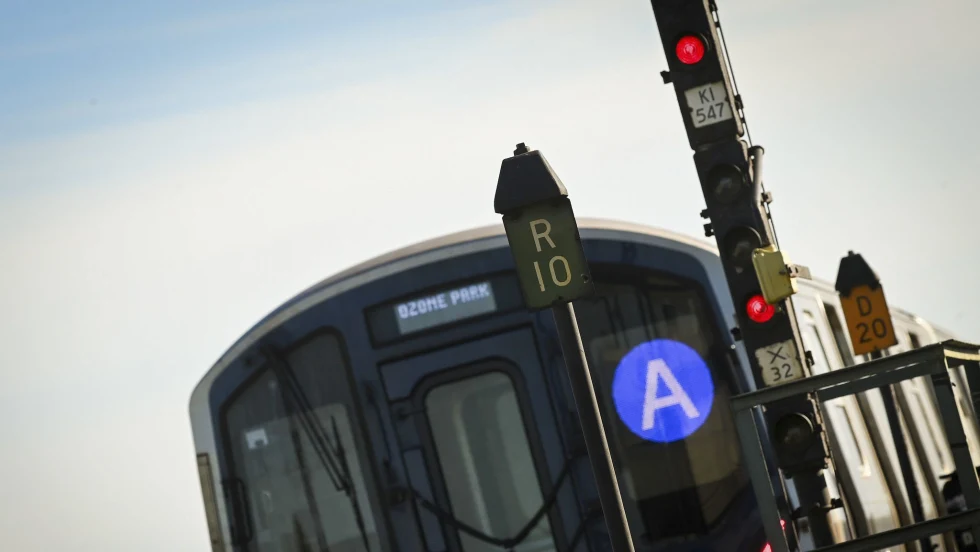
New York MTA Launches Historic $1.9B Signal, Track Modernization Project
Funded in part by congestion pricing revenue, the project will replace nearly century-old signals along the A and C lines in Brooklyn and Queens.
Read More →
Brian Dickson on Building Stronger, More Resilient Transportation Organizations
Bus Business Consultants Founder Brian Dickson discusses the leadership principles, operational discipline, and strategic planning that separate transportation companies positioned for long-term success from those stuck in survival mode.
Read More →
LA Metro Breaks Ground on Vermont BRT Project
The 12.4-mile corridor is projected to serve 66,200 daily riders, reduce travel times by up to 24%, and create the nation's busiest bus rapid transit corridor.
Read More →