



Publisher's Perspective: A good year for new service openings, but not funding certainty
The New Year that just began should be a good one for the launching of new rail and bus rapid transit lines and extensions to existing networks, with the project schedules we’ll look at below.
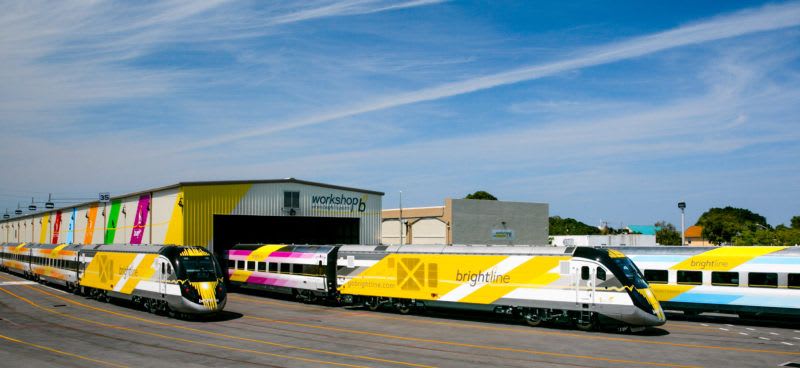
Brightline
Brightline
The New Year that just began should be a good one for the launching of new rail and bus rapid transit lines and extensions to existing networks, with the project schedules we’ll look at below. Given the uncertain state of future funding at the federal level and in more than a few states, however, 2019 may be the end of the trend.
Project investment totals $13 billion
According to Transport Politic, public transportation planner Yonah Freemark’s popular blog, no fewer than 29 major capital projects are expected to open their doors in North American countries this year — totaling 340 route-miles of new service. The investment totals $13.2 billion, comprising projects in the U.S., Mexico, and Canada. An additional 366 route-miles comprising budgets exceeding $75 billion are scheduled to be under construction throughout the course of the year, with their openings planned for dates beyond 2018.
One heavy rail extension is set to begin revenue service (the San Francisco Bay Area Rapid Transit’s extension to San Jose), while five new light rail lines will open in 2018 (two in Mexico, including Guadalajara and Monterrey; two in Canada, including Kitchener-Waterloo and Ottawa in Ontario; and a fifth in Charlotte, N.C.). Four new streetcar lines are set to begin service (El Paso, Texas; Milwaukee, and Oklahoma City), along with five new commuter rail lines (San Francisco; Denver; Fort Worth, Texas; Hartford, Conn.; and Mexico City), as well as an extension of SunRail in Orlando, Fla. Finally, no fewer than 11 bus rapid transit lines are set to open this year, along with three major multimodal station projects (in San Francisco; Raleigh, N.C.; and Miami) are expected to open during the year.
These events exclude the opening of Brightline, the nation’s first high-speed rail service in many decades. This project is also the nation’s first privately owned and operated regularly scheduled intercity passenger rail service in 35 years.
Will the good times last?
Prospects for the projects slated for revenue service beginning beyond this year, however, will depend on whether many of them can resolve some significant policy and funding challenges. While the new federal administration and Congress have acted last year to cut significant environmental and other regulatory reviews, it has not come with any additional funding certainty. At press time, the Trump Administration released additional details regarding its policy principles for its long-promised major infrastructure investment initiative, what details emerged came with no significant revenues and policies that left much of the bill to be paid by states and localities, many of which are already cash-strapped and over-leveraged.
Our industry must take this as an opening to continue engagement — for at this point, that is all that it is.
More Management
COTA Launches First Customer Experience Action Plan to Improve Transit Service
The new plan outlines improvements to service reliability, accessibility, communication, and the overall rider experience across Central Ohio's transit system.
Read More →
LA Metro September Ridership Climbs 3.9%, Led by Rail Growth
The agency recorded more than 27.2 million boardings, with rail ridership increasing 12.4% year over year and the D Line posting the largest gains.
Read More →
Utilimarc Launches SmartReplace to Optimize Fleet Replacement Decisions
AI-powered SmartReplace helps fleets prioritize vehicle replacements, model budget scenarios, and build more defensible long-term strategies.
Read More →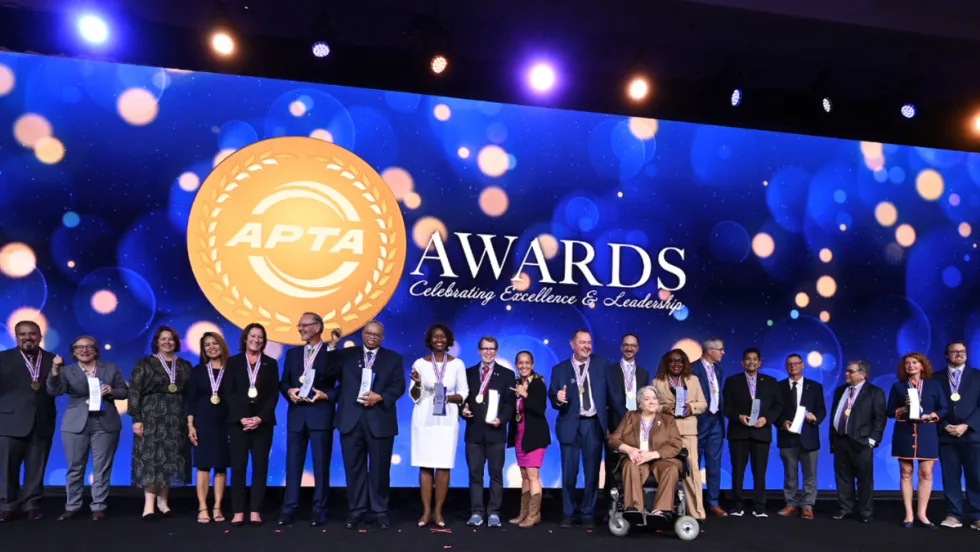
APTA Honors 2026 Award Winners, Hall of Fame Inductees at TRANSform & EXPO
Innovations in autonomous and zero-emission transportation, standout transit systems, and industry leadership took center stage among this year's honorees.
Read More →
7 Ways to Build a Better Transit Internship Program
Lessons from DRPA/PATCO’s approach to creating a meaningful internship experience—and developing the next generation of transportation professionals.
Read More →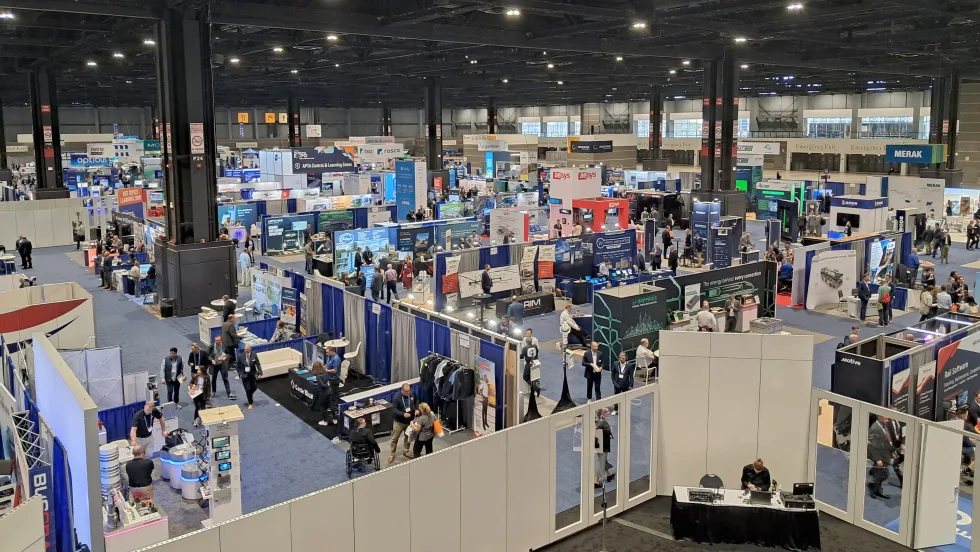
Scenes from APTA TRANSform & EXPO 2026
Transit leaders, manufacturers, and industry professionals gathered in Chicago to explore new technologies, share ideas, and discuss the future of public transportation.
Read More →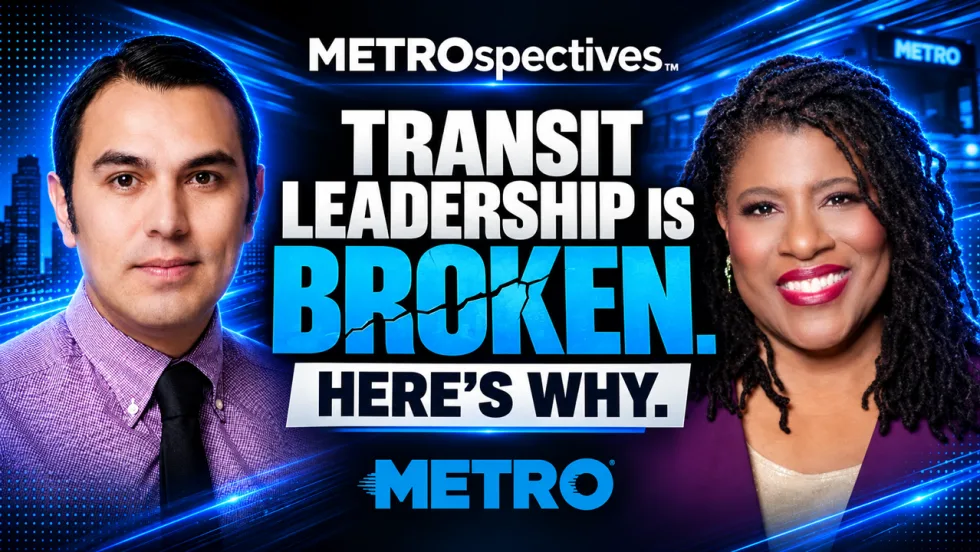
Building Stronger Leaders, More Resilient Transit Teams
Dr. Carol Parker Walsh discusses leadership development, employee retention, workplace culture, and preparing transit’s workforce for AI and automation.
Read More →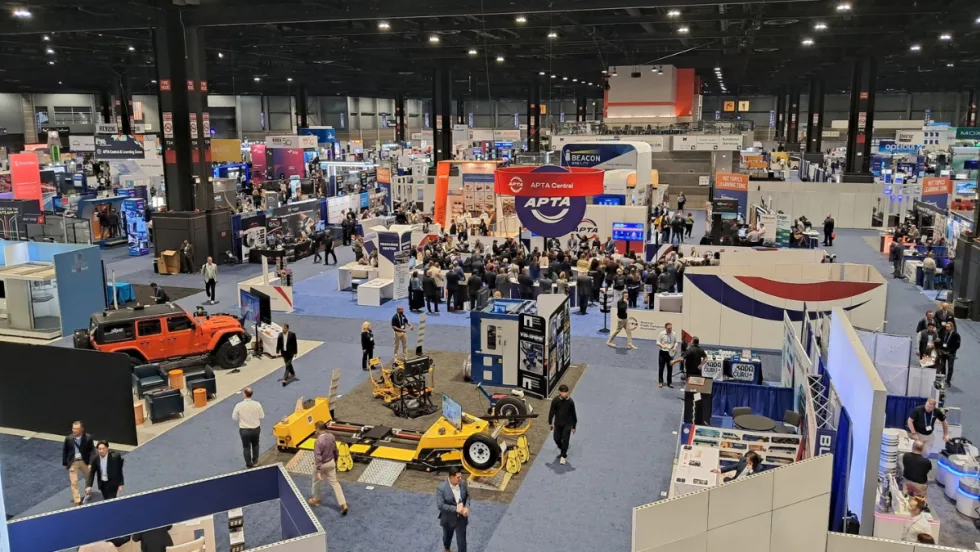
APTA 2026 TRANSform & EXPO Kicks Off in Chicago
After 45 years, APTA returns to Chicago with a focus on next-generation fleets, AI, connected transit networks, and the funding strategies shaping public transportation’s future.
Read More →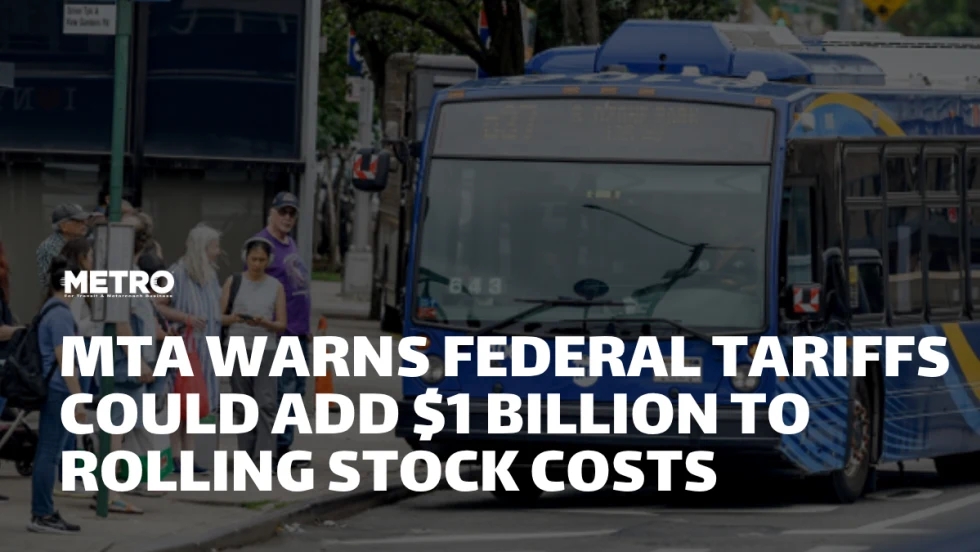
New York MTA Warns Federal Tariffs Could Add $1 Billion to Rolling Stock Costs
The agency said tariffs on specialized imported components could reduce the purchasing power of its $23 billion investment in new subway cars, railcars, and buses.
Read More →
From the Show Floor: What Happened at APTA TRANSform & EXPO 2026
See the latest product launches, partnerships, technology updates, and transit industry announcements from APTA TRANSform & EXPO in Chicago.
Read More →