




RELATED: [Article] SEPTA Chief Renovating Agency for the 21st Century
SEPTA GM Casey announces retirement
Joseph M. Casey, who has led the Authority since 2008, has been with SEPTA for a total of 34 years of distinguished service in a number of roles, including serving as the CFO and Treasurer.
August 20, 2015

SEPTA
2 min to read

SEPTA
Southeastern Pennsylvania Transportation Authority (SEPTA) GM Joseph M. Casey, who has led the Authority since 2008, announced his retirement. After a total of 34 years of distinguished service in a number of roles, Casey will retire as GM on September 30, 2015.
"It has been a privilege to lead this organization, and I thank the SEPTA Board for the opportunity," Casey said. "I also want to thank my staff for their efforts over the years, as well as the entire SEPTA organization for their dedication to serve the citizens of this region."
Casey began his career in transportation at Consolidated Rail Corp. (Conrail) before joining SEPTA in 1982. Prior to being appointed GM, Casey served for six years as the authority's CFO and treasurer and held senior management positions in internal audit and finance. During his tenure as SEPTA sr. budget director/CFO, Casey was successful in establishing balanced operating budgets, streamlining expenses and reducing costs, and containing overall budget growth even in the face of skyrocketing healthcare and fuel costs.
"Joe has led SEPTA through challenging times, while consistently improving SEPTA's performance, customer service and overall public perception," said SEPTA Board Chairman Pasquale T. "Pat" Deon. "His leadership and expertise have been keys to moving SEPTA forward."
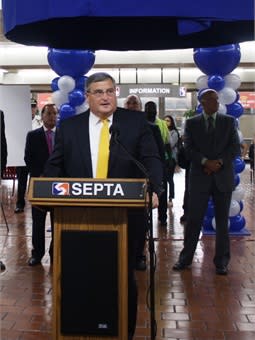
After being named GM, Casey created a dedicated Customer Service and Advocacy Division and focused SEPTA on the "Four Cs" — Cleanliness, Convenience, Courtesy and Communication. As a regional business, SEPTA has taken a leadership role adopting a comprehensive Sustainability program focusing on initiatives ranging from building an eco-fleet, developing alternative energy generation and storage, to station and facility recycling. In recognition of these efforts, the authority received the 2012 American Public Transportation Association (APTA) Outstanding Public Transportation System Award and the 2012 APTA Gold Sustainability Recognition.
Thanks in large part to Casey's key role as a tireless advocate for finding a dedicated, long-term funding source to address SEPTA's critical infrastructure improvements, Act 89, which provides new resources for transportation in Pennsylvania, went into effect in January 2014.
"During my time as General Manager, I committed our organization to improve the customer experience — and I can say with confidence that these efforts will only grow stronger moving forward," Casey said. "With dedicated funding for capital improvements, resulting from state Act 89, we will have resources to further enhance the riding experience for our customers, improve reliability and preserve the transit system for future generations."
A lifelong resident of Pennsylvania, Casey is a Certified Public Accountant and holds a Bachelor of Arts degree in Accounting from Drexel University and attended Widener University for advanced business courses.
More Management
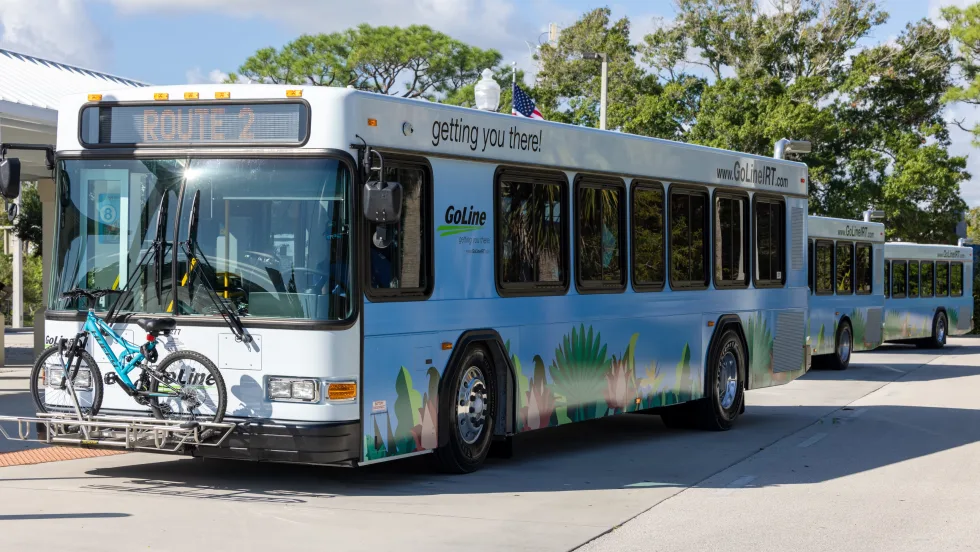
Indian River Transit’s Community-Focused Approach Earns National Recognition
Named APTA’s 2026 Outstanding Public Transportation System in its size category, Florida’s Indian River County transit system continues to grow ridership through fare-free service and a focus on evolving community needs.
Read More →
ENC Lands MATA Contract and More in Biz Briefs
In this edition of Biz Briefs, we spotlight the latest developments shaping the future of mobility.
Read More →
From Surviving to Thriving: Building Stronger Transportation Organizations
Bus Business Consultants founder Brian Dickson shares lessons on leadership, organizational health, and creating options for long-term success in a changing transportation industry.
Read More →

Everett Transit, Community Transit Outline Consolidation Agreement
The proposed agreement calls for a 50% increase in bus service in Everett, a new microtransit zone, continued paratransit service, and the transfer of Everett Transit operations to Community Transit.
Read More →
Strada360’s Steve Lassey on Turning Transit Data Into Better Decisions
From breaking down data silos to preparing for AI, Strada360 CEO Steve Lassey discusses how transit agencies can use technology to improve operations, customer information, and long-term decision-making.
Read More →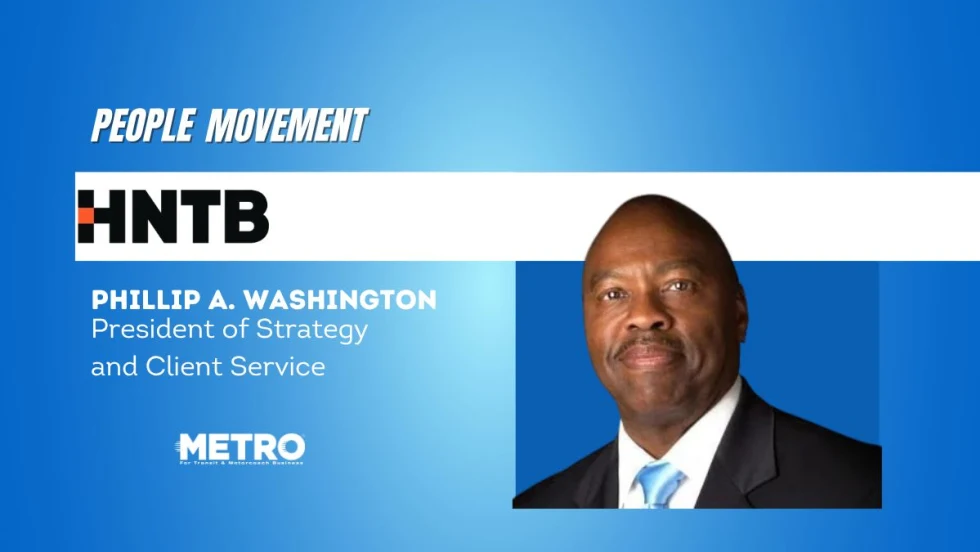
People Movement: Phil Washington Joins HNTB, Denver RTD Launches CEO Search, and More
In this edition, we also spotlight recent personnel moves at STV, the Eno Center for Transportation, and more, highlighting the people taking on new roles across the transportation industry.
Read More →
SEPTA Details Accelerate Vision for Transit System
The plan outlines investments in trolley modernization, new Metro and Regional Rail vehicles, accessible stations, and more frequent bus and rail service.
Read More →
FTA Ends Direct Oversight of MBTA Safety Actions
The federal agency closed its remaining special directive to the Massachusetts Department of Public Utilities following a safety review that began in 2022.
Read More →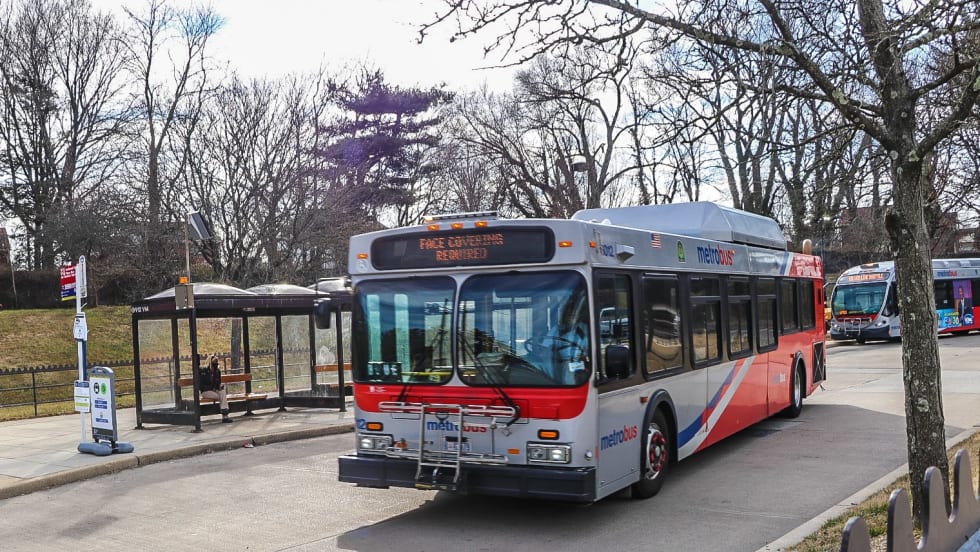
Report: Transit Bus Manufacturing Supports 34,100 Jobs, $5.1B in GDP
The “Buses Mean Business” report examines the transit bus manufacturing industry’s economic footprint, supply chain, and rising demand for vehicle replacements.
Read More →
LIT Marks 10-Year Milestone at Annual Summit
Hosted by the COTA from September 10 to 13, the Summit carried the theme “Celebrating 10 Years of Excellence, Leadership, and Impact,” with every part of the program honoring the people, agencies, and partners who built LIT over its first decade.
Read More →