




Transit Score Rank of Large U.S. Cities
Rank City Score
1 New York 84.1
2 San Francisco 80.4
3 Boston 74.4
4 Washington, D.C. 70.6
5 Philadelphia 66.8
6 Chicago 64.7
7 Miami 59.4
8 Baltimore 57.8
9 Minneapolis 57.5
10 Seattle 57.0
New York Ranks Best City for Public Transit in 2016
New York's Transit Score ranking by Walk Score increased 2.9 points to 84.1 from 81.2 in the last published ranking in 2014.
December 2, 2015
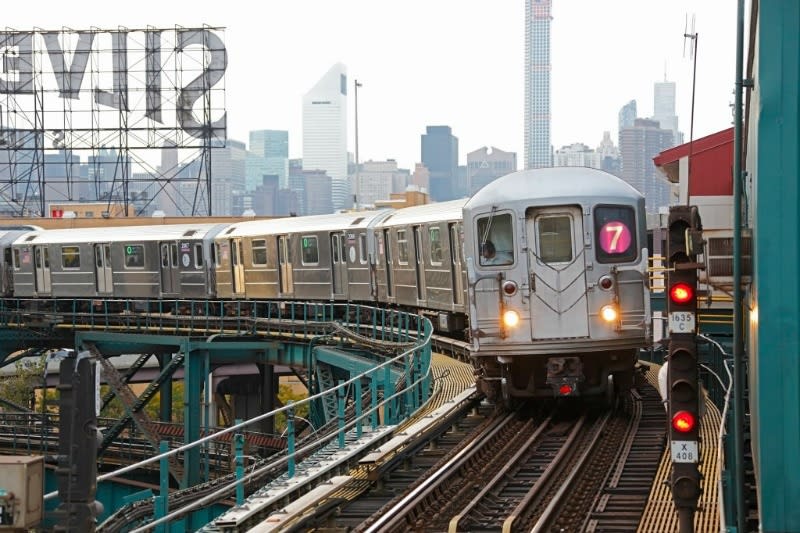
New York’s Transit Score increased 2.9 points to 84.1 from 81.2 in the last published ranking in 2014.
Photo: Redfin
3 min to read
New York is the best U.S. city for public transit, according to Redfin, the real estate brokerage firm. On Dec. 2, Redfin published the 2016 Transit Score ranking by Walk Score, a Redfin company, and announced the expansion of Transit Score ratings to a total of 350 U.S. cities and more than 10,000 neighborhoods.
New York’s Transit Score increased 2.9 points to 84.1 from 81.2 in the last published ranking in 2014. According to Walk Score, a place with a Transit Score in the 70 to 89 range has excellent transit. In September, the Metropolitan Transportation Authority (MTA) celebrated the first addition to its subway system in 26 years, with the extension of the 7 line to the new 34th St.-Hudson Yards Station, connecting riders to the Javits Center, the High Line, the Hudson River Park and surrounding commercial and residential developments.
Below is a ranking of the top 10 U.S. cities (with populations of more than 300,000) for public transit.
“Urban dwellers today want convenience,” said Redfin chief economist Nela Richardson. “Particularly in congested urban areas, a car may be the slowest way to get around the city. Homes near bus and subway lines tend to have higher values that hold up even during housing downturns. The fact that many cities are also investing in alternative forms of transit, like bike share, indicates how highly prized access to transit is by their residents.”
Among the 130 newly added cities are big ones like Phoenix (32.2) and Detroit (37.9), as well as smaller cities with big Transit Scores like Union City, N.J. (80.2) and State College, PA (63.7).
“After schools, access to public transportation is what New Jersey homebuyers ask about most frequently,” said Nick Boniakowski, Redfin market manager. “We spend a lot of time with our clients researching nearby bus and rail routes and stops, so being able to easily see that Union City, for example, has a higher Transit Score than pricier Jersey City (70) gives buyers another easy way to compare and evaluate homes, neighborhoods and cities.”
None of the cities on the list score in the 90 to 100 range, which Walk Score defines as a “riders’ paradise.” However, individual neighborhoods in many cities are riders’ paradises, like Boston’s Bay Village (100), Philadelphia’s Logan Square (100), The Loop (99.1) in Chicago and Belltown (98.1) in Seattle. Some cities that didn’t make the top 10 list are home to riders’ paradises, including downtown Pittsburgh (97.1), Old Town Chinatown (92.2) in Portland, Ore. (50.8) and downtown Houston (92.8).
Survey Methodology
The Transit Score algorithm calculates a score by summing the relative "usefulness" of public transit (bus, subway, light rail, ferry, etc.) routes near a given location. Usefulness is defined as the distance to the nearest stop on the route, the frequency of the route, and type of route (with twice as much weight given to heavy/light rail than to bus service). Transit Score is based on data published in General Transit Feed Specification (GTFS) format by transit agencies across the country.
More Management
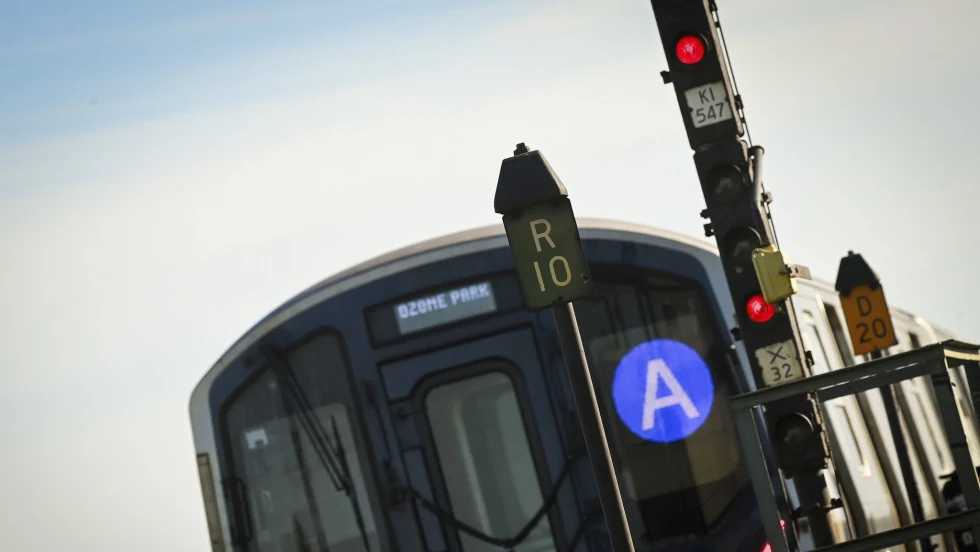
New York MTA Launches Historic $1.9B Signal, Track Modernization Project
Funded in part by congestion pricing revenue, the project will replace nearly century-old signals along the A and C lines in Brooklyn and Queens.
Read More →
Brian Dickson on Building Stronger, More Resilient Transportation Organizations
Bus Business Consultants Founder Brian Dickson discusses the leadership principles, operational discipline, and strategic planning that separate transportation companies positioned for long-term success from those stuck in survival mode.
Read More →
LA Metro Breaks Ground on Vermont BRT Project
The 12.4-mile corridor is projected to serve 66,200 daily riders, reduce travel times by up to 24%, and create the nation's busiest bus rapid transit corridor.
Read More →
Building Stronger Leaders, More Resilient Transit Teams
Dr. Carol Parker Walsh discusses leadership development, employee retention, workplace culture, and preparing transit’s workforce for AI and automation.
Read More →
Roman Cornell on ABC Companies’ Evolution and the Future of Passenger Transportation
The company’s CEO discusses carrying forward a third-generation family legacy, ABC’s continued evolution in passenger transportation, support for increasingly complex fleets, and how technology and continued investment could help operators improve uptime.
Read More →
CATS Launches West Charlotte Microtransit Zone, Expands Transit Services
The new microtransit zone connects residents to key destinations as Charlotte Area Transit System rolls out the first phase of its 2055 Transit System Plan.
Read More →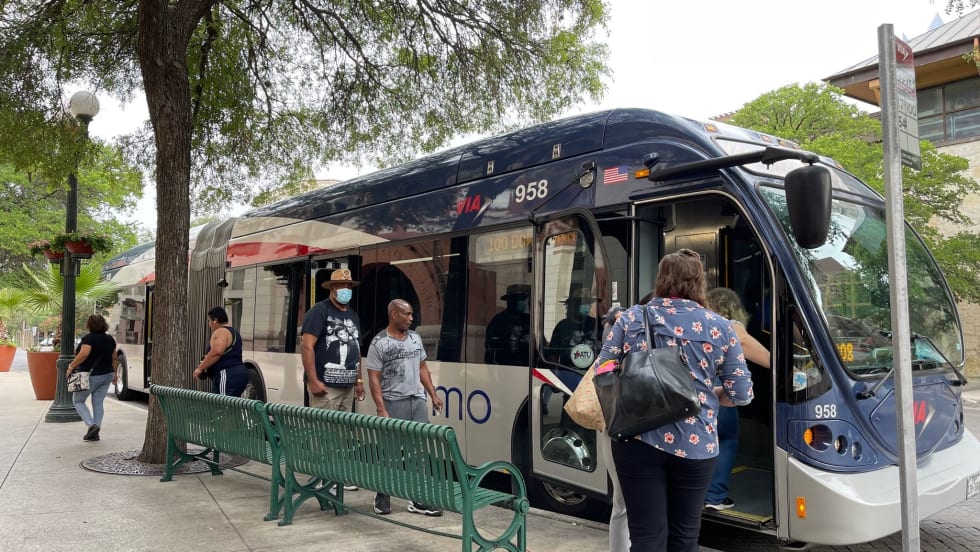
VIA Bus Ridership Grows 10.1% Through August 2026
San Antonio's VIA Metropolitan Transit reported the highest bus ridership growth among major Texas transit systems. Federal Transit Administration data ranked it second among the nation's 50 largest transit systems.
Read More →
CSA Group Releases Climate Resilience Standard for Transit, Passenger Rail
Developed with support from the Standards Council of Canada, CSA D700 guides assessing climate-related risks and planning adaptation measures for transit and passenger rail systems.
Read More →
ETA CEO John Maglio on Transit Technology, Innovation, and Building Agency Trust
ETA founder and CEO John Maglio explores the evolution of transit technology, the importance of reliable systems, and how stronger partnerships can help agencies improve operations and the passenger experience.
Read More →
COTA Launches First Customer Experience Action Plan to Improve Transit Service
The new plan outlines improvements to service reliability, accessibility, communication, and the overall rider experience across Central Ohio's transit system.
Read More →