




RELATED: London rail, Twitter piloting live alerts for 'severe delays'
TfL, Cubic sign deal to license contactless ticketing system
Deal worth up to $19 million is a first for TfL and allows other cities around the world to benefit from London's contactless ticketing technology.
July 14, 2016
TfL
2 min to read

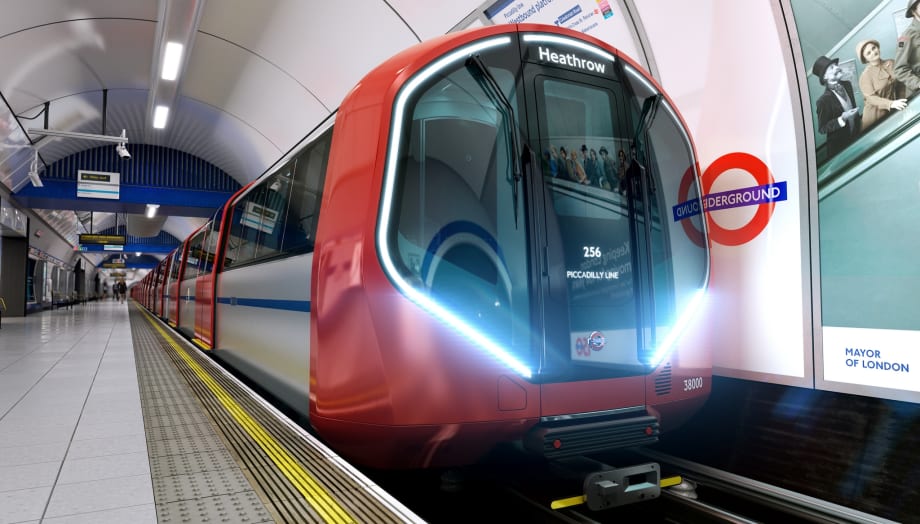
Transport for London (TfL) has announced its contactless ticketing system is set to be used by other major cities across the globe as part of a deal worth up to $19 million, which will be used to help deliver a fares freeze that the Mayor of London, Sadiq Khan has announced across TfL services for the next four years.
TfL signed a deal with Cubic Transportation Systems (CTS) allowing them to adapt the capital's contactless ticketing system worldwide. It is the first of a number of planned agreements to sell TfL's expertise both at home and abroad — a key manifesto commitment for the Mayor.
The licence will grant CTS access to London's contactless system, allowing it to be specifically tailored for other world cities' transport systems.
TfL and CTS have a long-running partnership, having worked together to introduce the Oyster card system in 2003 as well as working together with the UK card industry to make TfL the first public transport provider in the world to accept contactless payment cards. The contactless payment system was first launched on London's buses in December 2012 and expanded to cover Tube and rail services in London in September 2014.
Since then, more than 500 million journeys have been made by more than 12 million unique credit and debit cards from 90 different countries, as well as using contactless-enabled mobile devices. Around one in 10 contactless transactions in the UK are made on TfL's network, making it one of the largest contactless merchants worldwide.
Outside London, CTS also provides smartcard ticketing technology to a number of world cities, including Sydney, Brisbane, Vancouver and Chicago. This new non-exclusive agreement will also enable them to combine the best features from the London and other Cubic systems and make them available to other cities across the globe.
More Management
DART Customer Satisfaction Reaches Six-Year High
Overall satisfaction rose to 74.9%, while the agency’s Net Promoter Score reached a record 33.7.
Read More →
House Surface Transportation Bill Advances as Transit Funding Debate Intensifies
A bipartisan transportation package moving through Congress could redefine how the U.S. funds highways, transit, and motorcoach travel, while igniting new fights over electrification, regulation, and federal priorities.
Read More →
How Data, Strategy, and Community Engagement Are Reshaping Transit
In this edition of METROspectives, strada360 CEO Steve Lassey discusses how transit agencies can better align planning with operations, leverage data to improve decision-making, and build public trust as they prepare for the future of mobility.
Read More →
Amtrak Board Advances Plan to Restructure Organization, Seeks Public Input
The proposal, developed by Amtrak management and approved by the board for further consideration, is intended to modernize the organization's structure while improving accountability, operational efficiency, and customer service.
Read More →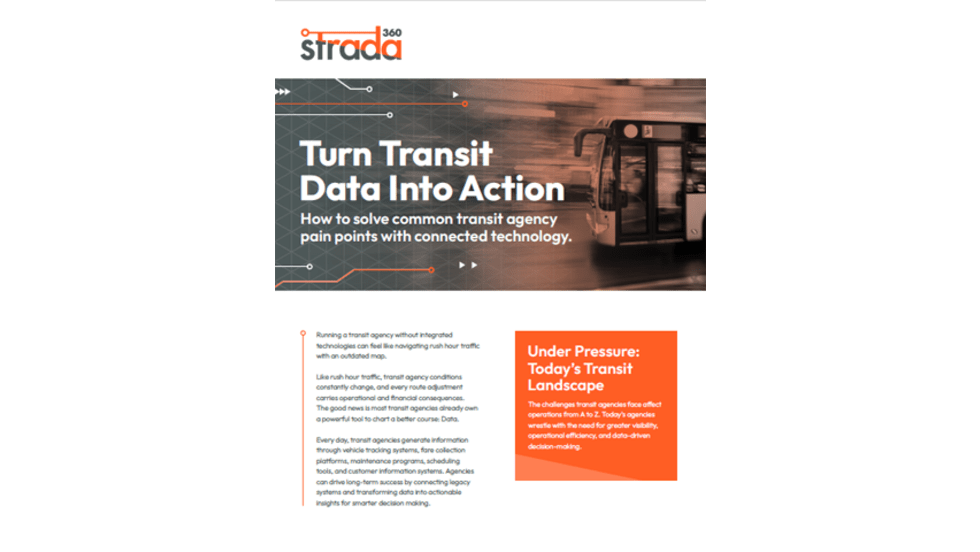
Sponsored•August 2, 2026
Turn Transit Data Into Action
Discover how leading agencies are using connected technology to gain real-time visibility across operations, improve service reliability, and reduce disruptions.
Read More →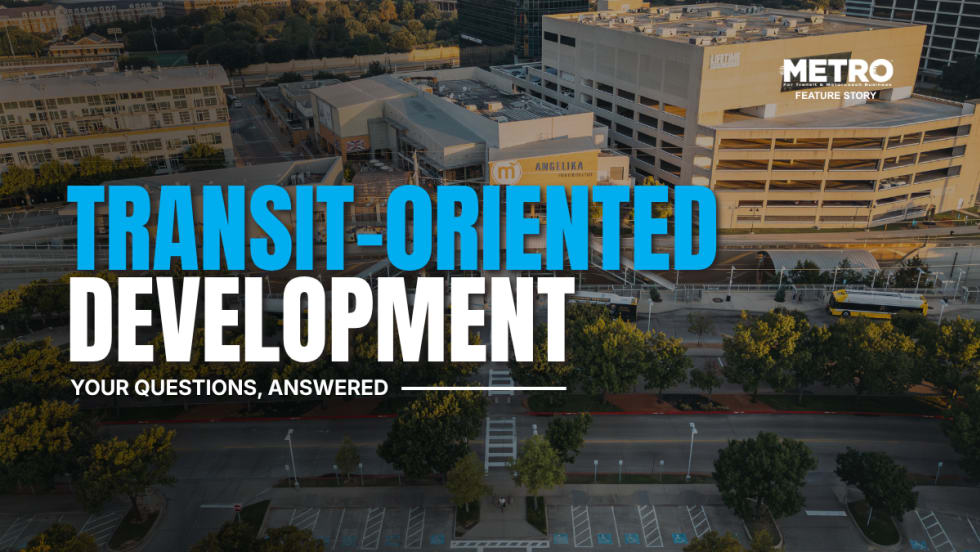
What Transit-Oriented Development Means for the Future of Public Transportation
Once viewed primarily as transit operators, agencies are now leveraging land, partnerships, and long-term planning to boost ridership, expand housing, and strengthen communities.
Read More →
USDOT Announces $22 Million for Transit Innovation, Updates High-Speed Rail Rules
New federal transit funding will support safety, accessibility, and technology projects as updated rail regulations establish new noise standards for high-speed trains.
Read More →
Transportation Construction Coalition Unveils Infrastructure Case Studies Ahead of Federal Funding Deadline
The coalition noted the next surface transportation bill should provide sustained investment in highways and public transit to strengthen freight movement, improve safety, and support economic growth.
Read More →
People Movement: American Bus Association Extends Ferguson and More
METRO’s People Movement highlights the latest leadership changes, promotions, and personnel news across the public transit, motorcoach, and people mobility sectors.
Read More →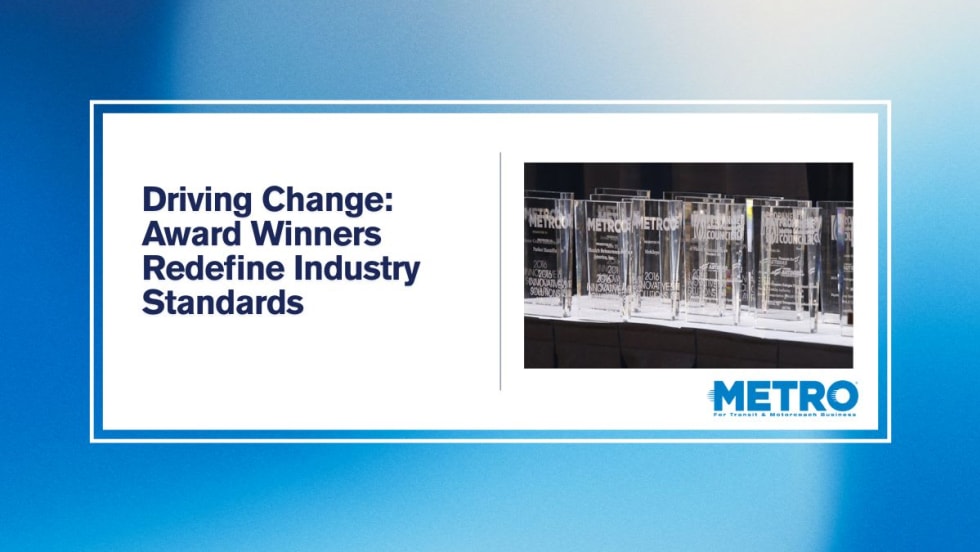
METRO Magazine Announces 2026 Innovative Solutions Awards Winners
Projects Recognized for Advancing Mobility Through Technology, Accessibility, Workforce Innovation, and Operational Excellence
Read More →