



NY MTA campaign encourages offering pregnant, disabled and seniors a seat
The pilot program, which began on Mother’s Day and runs through Labor Day, will examine ways to encourage courtesy by helping riders easily identify fellow customers with specialized needs who need a seat.

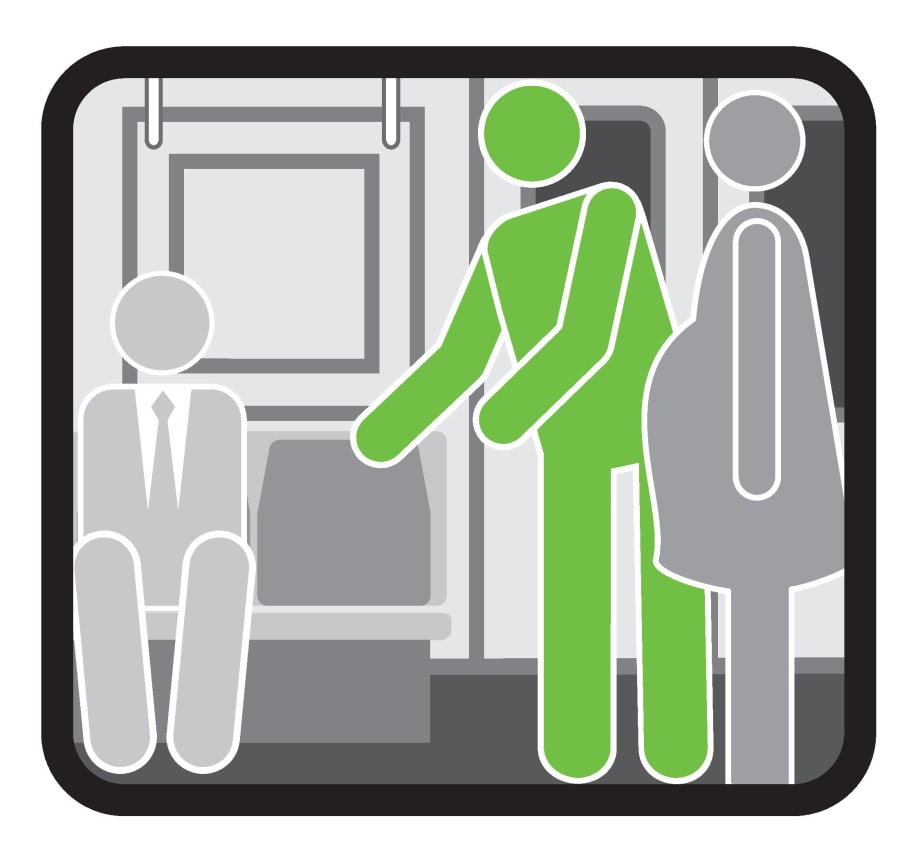
New York’s Metropolitan Transportation Authority (MTA) launched a new awareness campaign to encourage customers to move their feet and offer a seat for pregnant riders, seniors, and those with a disability who are seeking seats.
The pilot program, which began on Mother’s Day and runs through Labor Day, will examine ways to encourage courtesy by helping riders easily identify fellow customers with specialized needs who need a seat.
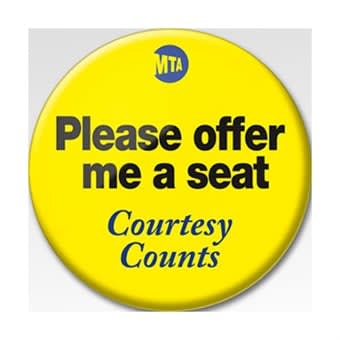
MTA already provides disabled customers “priority seating” on buses and trains; while riders are required to relinquish seats in those areas under federal regulations and MTA rules of conduct, the new courtesy buttons can help riders better identify which customers need seats. The campaign also encourages customers, as a matter of courtesy, to give up any seat — not just those in reserved “priority” areas — to customers wearing an MTA-issued button.
Customers who are pregnant can choose from a “Baby on Board” button or a “Please Offer Me a Seat” courtesy button, which can also be worn by customers who have disabilities and seniors who choose to wear them.
The MTA will distribute buttons to all users of our system and the initiative will be integrated into its existing courtesy campaigns via transit system advertisements and social media.
“Pregnant riders, seniors and those with disabilities often need seats more than others but their condition may not always be visible,” said MTA Interim Executive Director Ronnie Hakim. "We hope this campaign will help their fellow riders to be more willing to offer them a seat without having to ask a personal question first.”
Health officials and advocates for transportation and disability praised the initiative as a positive way to help disabled riders and spread awareness that not all physical conditions are clearly visible.
“A little courtesy goes a long way. Providing a seat to a special needs user, without having an awkward conversation, can make a big difference with a small gesture,” Veronica Vanterpool, executive director of the Tri-State Transportation Campaign and MTA board Member said of the initiative. “I’m glad the MTA is launching this pilot campaign to remind its customers of priority seating while also explicitly including pregnant women and older adults to the group of special needs transit users."
Transport for London has had a similar program for the London Tube since 2005, with approximately 130,000 of the badges distributed every year. It started with a “Baby on Board” pilot, which was later followed by a pilot for disabled customers. Duchess of Cambridge Kate Middleton brought international attention to the program when she wore an official “Baby on Board” button in 2013.
The awareness button pilot is considered to be the first of its kind in the U.S. and marks the first time MTA is using buttons as part of a courtesy campaign.
More Management

CATS Launches West Charlotte Microtransit Zone, Expands Transit Services
The new microtransit zone connects residents to key destinations as Charlotte Area Transit System rolls out the first phase of its 2055 Transit System Plan.
Read More →
VIA Bus Ridership Grows 10.1% Through August 2026
San Antonio's VIA Metropolitan Transit reported the highest bus ridership growth among major Texas transit systems. Federal Transit Administration data ranked it second among the nation's 50 largest transit systems.
Read More →
CSA Group Releases Climate Resilience Standard for Transit, Passenger Rail
Developed with support from the Standards Council of Canada, CSA D700 guides assessing climate-related risks and planning adaptation measures for transit and passenger rail systems.
Read More →
ETA CEO John Maglio on Transit Technology, Innovation, and Building Agency Trust
ETA founder and CEO John Maglio explores the evolution of transit technology, the importance of reliable systems, and how stronger partnerships can help agencies improve operations and the passenger experience.
Read More →
COTA Launches First Customer Experience Action Plan to Improve Transit Service
The new plan outlines improvements to service reliability, accessibility, communication, and the overall rider experience across Central Ohio's transit system.
Read More →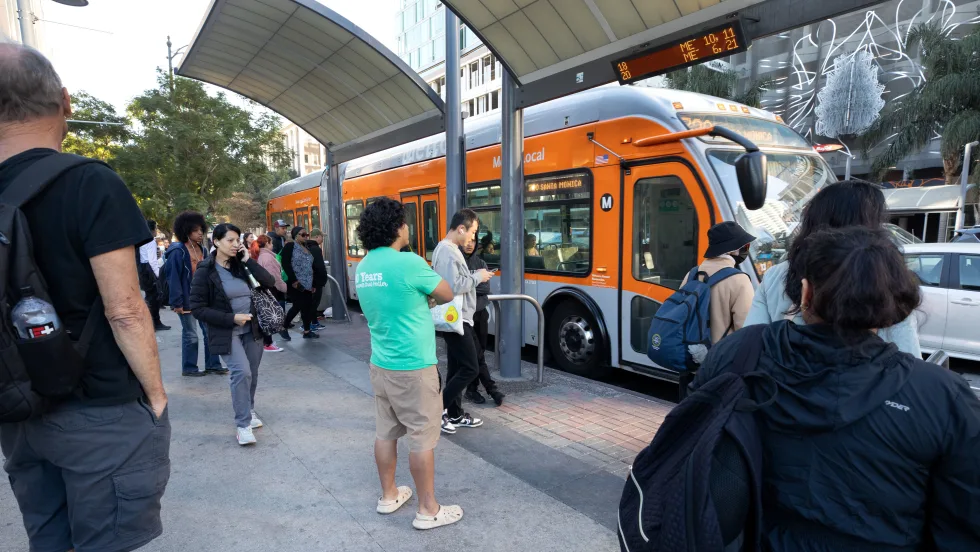
LA Metro September Ridership Climbs 3.9%, Led by Rail Growth
The agency recorded more than 27.2 million boardings, with rail ridership increasing 12.4% year over year and the D Line posting the largest gains.
Read More →
Utilimarc Launches SmartReplace to Optimize Fleet Replacement Decisions
AI-powered SmartReplace helps fleets prioritize vehicle replacements, model budget scenarios, and build more defensible long-term strategies.
Read More →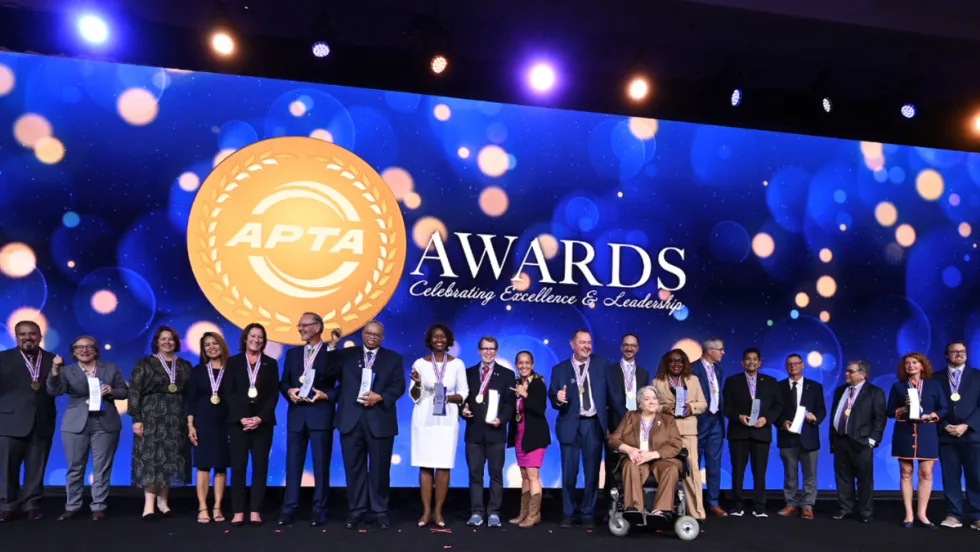
APTA Honors 2026 Award Winners, Hall of Fame Inductees at TRANSform & EXPO
Innovations in autonomous and zero-emission transportation, standout transit systems, and industry leadership took center stage among this year's honorees.
Read More →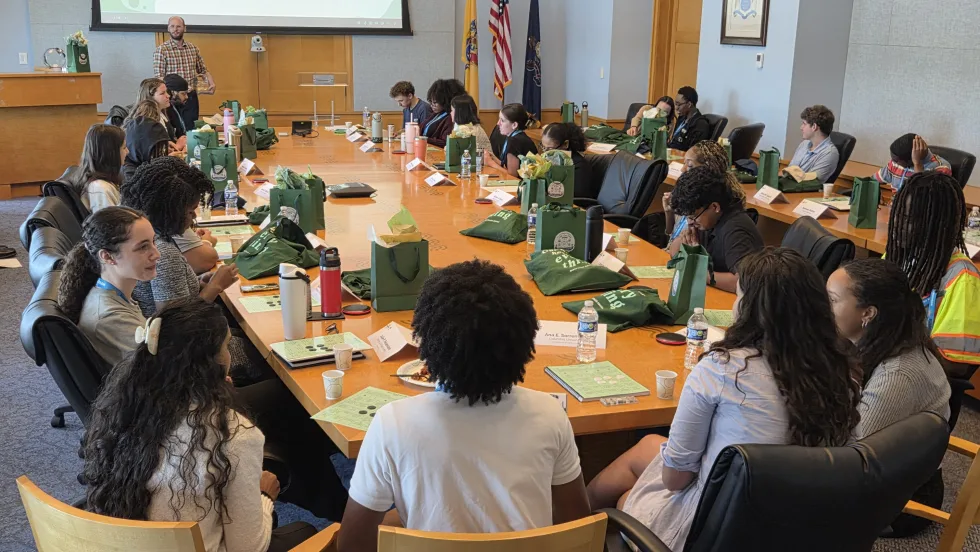
7 Ways to Build a Better Transit Internship Program
Lessons from DRPA/PATCO’s approach to creating a meaningful internship experience—and developing the next generation of transportation professionals.
Read More →
Scenes from APTA TRANSform & EXPO 2026
Transit leaders, manufacturers, and industry professionals gathered in Chicago to explore new technologies, share ideas, and discuss the future of public transportation.
Read More →