




RELATED: INIT adds open-payment tech to Portland-Vancouver fare system
TriMet's GM McFarlane to retire
He led the expansion of TriMet’s light rail system, which has become a national model for integrating land use and transportation planning, policy and development.
October 19, 2017

In this 2014 photo, Secretary of Transportation Anthony Foxx stands with TriMet General Manager Neil McFarlane (center) and Congresswoman Suzanne Bonamici on the Tilikum Crossing, during construction. Photo: TriMet
2 min to read

In this 2014 photo, Secretary of Transportation Anthony Foxx stands with TriMet General Manager Neil McFarlane (center) and Congresswoman Suzanne Bonamici on the Tilikum Crossing, during construction. Photo: TriMet
TriMet GM Neil McFarlane will retire after more than seven years of managing Oregon’s largest public transit provider.
McFarlane, 65, announced Oct. 18, that he would retire in early 2018. McFarlane has been with TriMet since February 1991, serving as GM since July 1, 2010.
The agency and TriMet’s Board of Directors will now launch an international search for the next GM, including holding listening sessions with community stakeholders and soliciting public feedback.
Under McFarlane’s leadership, TriMet became an important partner in the efforts to create livable communities and keep the Portland region moving, garnering the respect of national transportation leaders. Through his years of service, he led the expansion of TriMet’s light rail system, which has become a national model for integrating land use and transportation planning, policy and development.

As TriMet GM, Neil McFarlane began a 10-year expansion of bus service and laid the groundwork for future service enhancements to meet the needs of Portland's growing communities. Photo: TriMet.
As GM, McFarlane began a 10-year expansion of bus service and laid the groundwork for future service enhancements to meet the needs of growing communities. He led the agency’s recovery from the great recession, put TriMet on a strategic financial path, and created a culture of safety and continuous improvement.
McFarlane promoted diversity, equity, and cultural competence, and pushed the agency forward on investments and innovations to improve service and the overall customer experience, while reinvesting in the existing system.
During his years at TriMet, McFarlane helped lead the expansion of the MAX Light Rail System from a single line, 15-mile system to the five-line, 60-mile system. He also brought the first commuter rail line to Oregon and made a lasting mark on TriMet’s bus system.
More Management

CATS Launches West Charlotte Microtransit Zone, Expands Transit Services
The new microtransit zone connects residents to key destinations as Charlotte Area Transit System rolls out the first phase of its 2055 Transit System Plan.
Read More →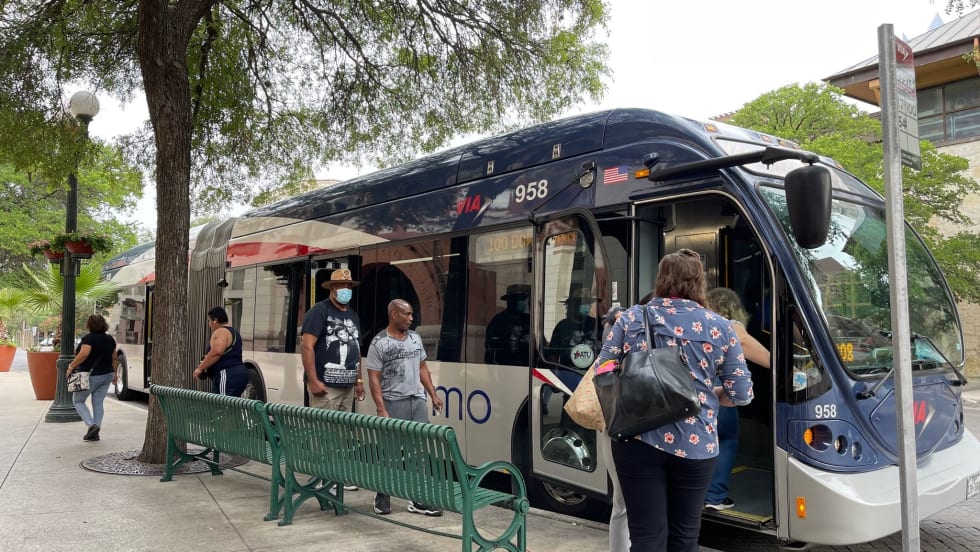
VIA Bus Ridership Grows 10.1% Through August 2026
San Antonio's VIA Metropolitan Transit reported the highest bus ridership growth among major Texas transit systems. Federal Transit Administration data ranked it second among the nation's 50 largest transit systems.
Read More →
CSA Group Releases Climate Resilience Standard for Transit, Passenger Rail
Developed with support from the Standards Council of Canada, CSA D700 guides assessing climate-related risks and planning adaptation measures for transit and passenger rail systems.
Read More →
ETA CEO John Maglio on Transit Technology, Innovation, and Building Agency Trust
ETA founder and CEO John Maglio explores the evolution of transit technology, the importance of reliable systems, and how stronger partnerships can help agencies improve operations and the passenger experience.
Read More →
COTA Launches First Customer Experience Action Plan to Improve Transit Service
The new plan outlines improvements to service reliability, accessibility, communication, and the overall rider experience across Central Ohio's transit system.
Read More →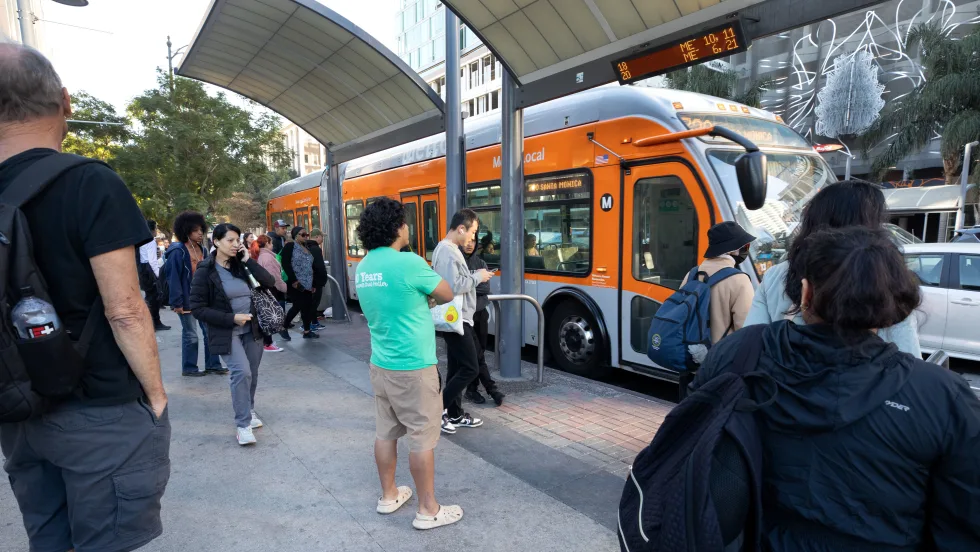
LA Metro September Ridership Climbs 3.9%, Led by Rail Growth
The agency recorded more than 27.2 million boardings, with rail ridership increasing 12.4% year over year and the D Line posting the largest gains.
Read More →
Utilimarc Launches SmartReplace to Optimize Fleet Replacement Decisions
AI-powered SmartReplace helps fleets prioritize vehicle replacements, model budget scenarios, and build more defensible long-term strategies.
Read More →
APTA Honors 2026 Award Winners, Hall of Fame Inductees at TRANSform & EXPO
Innovations in autonomous and zero-emission transportation, standout transit systems, and industry leadership took center stage among this year's honorees.
Read More →
7 Ways to Build a Better Transit Internship Program
Lessons from DRPA/PATCO’s approach to creating a meaningful internship experience—and developing the next generation of transportation professionals.
Read More →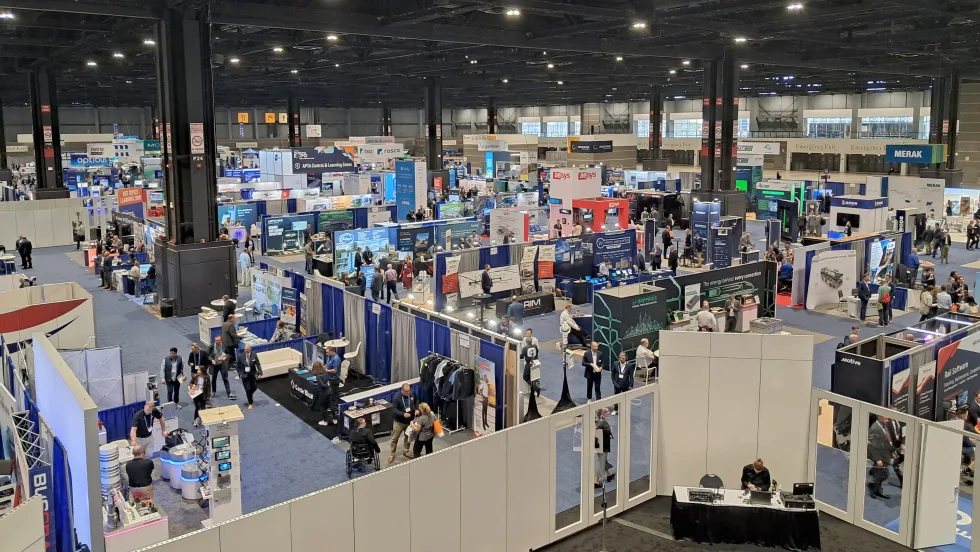
Scenes from APTA TRANSform & EXPO 2026
Transit leaders, manufacturers, and industry professionals gathered in Chicago to explore new technologies, share ideas, and discuss the future of public transportation.
Read More →