



TOD touted as S. Nevada's best option for economy, mobility, life quality
Former USDOT Sec. Foxx also stressed the importance of public input, similar to the community engagement efforts currently underway with RTC's transit plan.

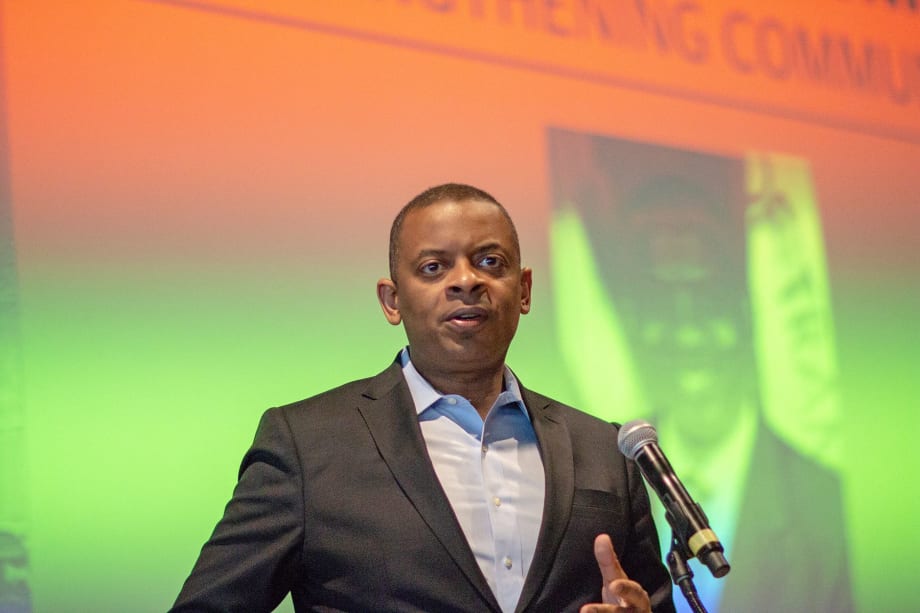
Former U.S. Secretary of Transportation Anthony Foxx shares insights on creating opportunities and strengthening communities through transportation investment.
RTC of Southern Nevada
Former U.S. Secretary of Transportation Anthony Foxx shares insights on creating opportunities and strengthening communities through transportation investment.
RTC of Southern Nevada
As the administrator of Southern Nevada Strong, the region’s federally recognized plan for building complete and sustainable communities, the Regional Transportation Commission of Southern Nevada (RTC) hosted a community symposium with former U.S. Secretary of Transportation Anthony Foxx and other national and local leaders to discuss the importance of transit-oriented development to Southern Nevada’s economy, mobility, and quality of life.
Transit-oriented development (TOD) is a type of community development that includes a mixture of housing, office, retail, and other amenities integrated into a walkable neighborhood and located within a half-mile of quality public transportation. TOD will play an integral role in “On Board,” the RTC’s comprehensive plan for the future of transit in Southern Nevada.
Sponsored by the Las Vegas Global Economic Alliance (LVGEA), Southern Nevada Homebuilders Association (SNHBA), and the University of Nevada, Las Vegas (UNLV) School of Community Health Sciences, Foxx was the keynote speaker at the event that attracted more than 250 attendees. “Today becomes the day when we open the door a little more to the future of this region,” said Foxx.
Specifically regarding high-capacity transit options along Maryland Parkway, one of Las Vegas’ busiest corridors that he toured earlier in the morning with RTC GM Tina Quigley, Foxx noted that the “permanence of rail tells the real estate community that traffic is going to be there forever. That signal, when coupled with smart zoning and land use decisions, is a recipe for revitalizing an area. It is an opportunity to create economic catalysts off the Strip.”
Foxx also stressed the importance of public input, similar to the community engagement efforts currently underway by the RTC with its On Board plan. However, at the same time, he warned “don’t wait too long” to take action, especially given the uncertain future of federal funding.
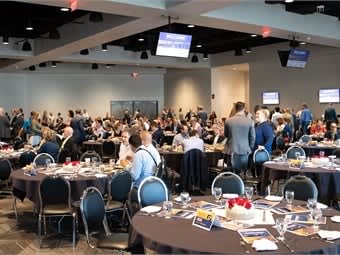
More than 250 Southern Nevada community, business and elected leaders attended the 2018 Transit-Oriented Development Symposium headlined by Former U.S. Secretary of Transportation Anthony Foxx.
RTC of Southern Nevada
The event also included a panel of nationally and locally renowned development experts who discussed the importance and benefits of TOD, including their first-hand experiences in cities like Denver. According to Chris Nevitt, manager for TOD for the city and county of Denver, they were able to successfully pass one of the nation’s largest initiatives for expansion of its transit system and have since seen a double-digit return on its investment.
“Go big” was a recurring theme of many of the speakers. Foxx advised that a community needs to “go big” and obtain necessary funding now to fully achieve long-term goals. “Make a bold decision now,” added Jeff Tumlin, TOD expert with Nelson/Nygaard.
Seleta Reynolds, GM of the Los Angeles Department of Transportation (LADOT) closed the event highlighting the visionary TOD efforts underway in Southern California to “build the streets and communities of the future that promote cohesion, equity, and not displacement.” The Los Angeles regional transit plan is funded from the passage of Measure M, a ballot initiative that garnered more than 71% voter approval in 2016 to indefinitely authorize a half-cent sales tax increase to build out the city’s transit system.
“The RTC will continue to bring together and work with local leaders, businesses, stakeholders, and residents to determine how best to build our community, support economic development, and ensure the millions of people who travel the valley, including busy corridors like Maryland Parkway, can get around efficiently and safely,” said Quigley after the event. “What we heard at today’s event is that transit-oriented development is the future, and we need to look at transportation as one element of an overall economic plan.”
More Management
Utilimarc Launches SmartReplace to Optimize Fleet Replacement Decisions
AI-powered SmartReplace helps fleets prioritize vehicle replacements, model budget scenarios, and build more defensible long-term strategies.
Read More →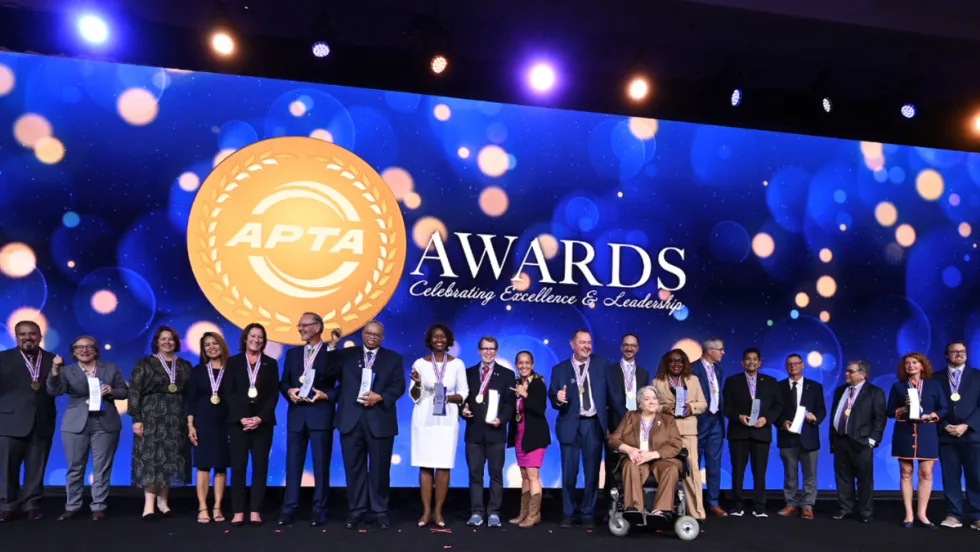
APTA Honors 2026 Award Winners, Hall of Fame Inductees at TRANSform & EXPO
Innovations in autonomous and zero-emission transportation, standout transit systems, and industry leadership took center stage among this year's honorees.
Read More →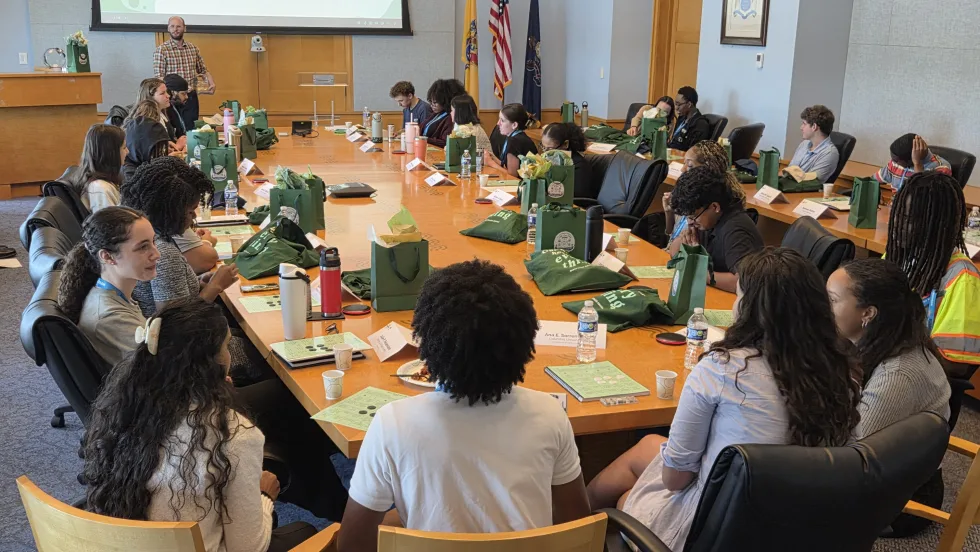
7 Ways to Build a Better Transit Internship Program
Lessons from DRPA/PATCO’s approach to creating a meaningful internship experience—and developing the next generation of transportation professionals.
Read More →
Scenes from APTA TRANSform & EXPO 2026
Transit leaders, manufacturers, and industry professionals gathered in Chicago to explore new technologies, share ideas, and discuss the future of public transportation.
Read More →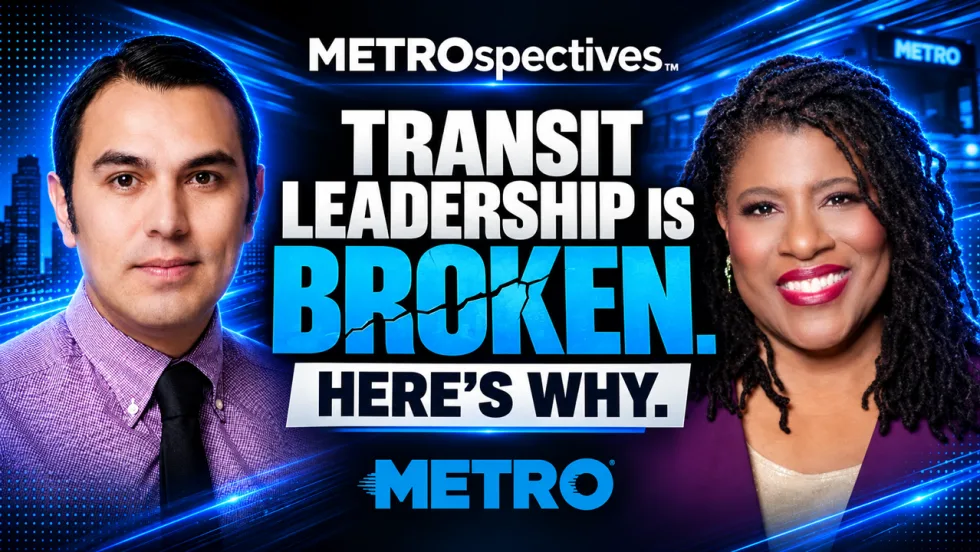
Building Stronger Leaders, More Resilient Transit Teams
Dr. Carol Parker Walsh discusses leadership development, employee retention, workplace culture, and preparing transit’s workforce for AI and automation.
Read More →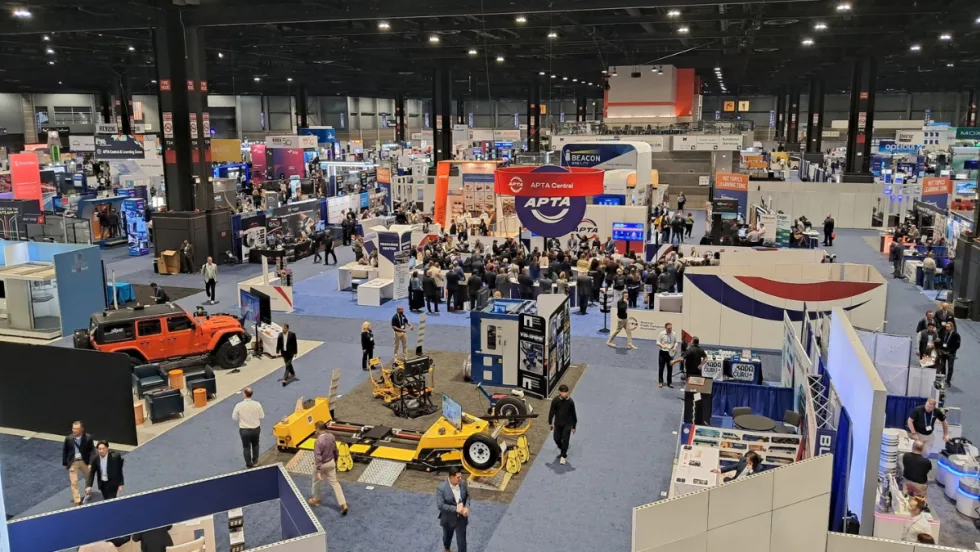
APTA 2026 TRANSform & EXPO Kicks Off in Chicago
After 45 years, APTA returns to Chicago with a focus on next-generation fleets, AI, connected transit networks, and the funding strategies shaping public transportation’s future.
Read More →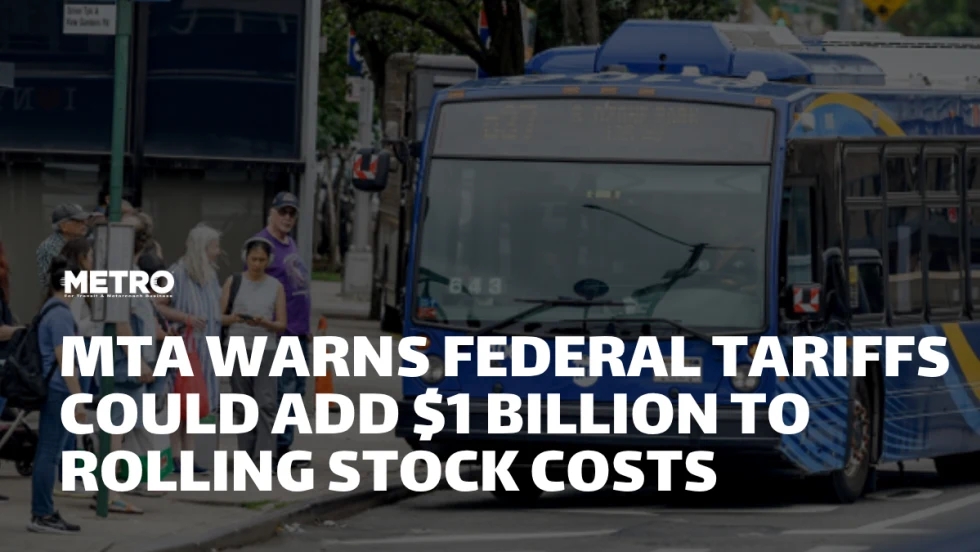
New York MTA Warns Federal Tariffs Could Add $1 Billion to Rolling Stock Costs
The agency said tariffs on specialized imported components could reduce the purchasing power of its $23 billion investment in new subway cars, railcars, and buses.
Read More →
From the Show Floor: What Happened at APTA TRANSform & EXPO 2026
See the latest product launches, partnerships, technology updates, and transit industry announcements from APTA TRANSform & EXPO in Chicago.
Read More →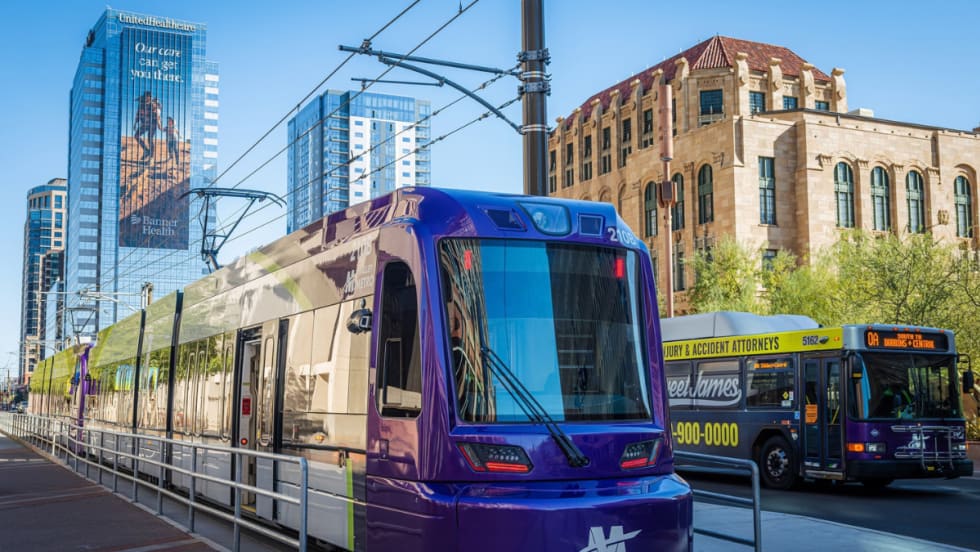
How Valley Metro Is Balancing Transit Growth With the Rider Experience
The APTA award-winning agency is pairing rapid system expansion with investments in workforce, safety, technology, and the fundamentals of transit service.
Read More →
Bus Tech Talk: Keeping Transit Technicians Ahead of the Technology Curve
In this episode of Bus Tech Talk, Complete Coach Works’ Business Development Manager Mark Hollenbeck and METRO’s Executive Editor Alex Roman sit down with Obed Mejia, Senior Technical Trainer for Bus Maintenance, at LA Metro to discuss how rapidly evolving bus technology is changing the maintenance shop — and the skills technicians need to keep pace.
Read More →