




RELATED: Q&A with Clinton B. Forbes
Palm Tran launches enhanced bus network
The Route Performance Maximization project is the first of its kind for agency in more than two decades.
October 15, 2018
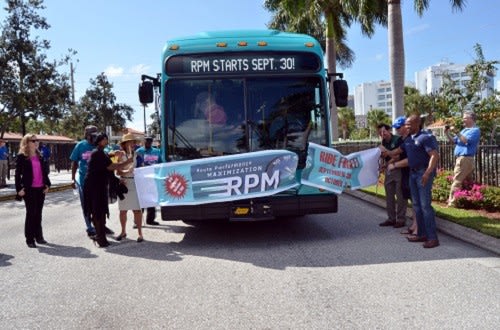
For the special ribbon-cutting ceremony, a bus instead of scissors cut through a banner held by Palm Tran staff, Palm Tran Service Board (PTSB) members and local county officials.
Palm Tran
2 min to read
For the special ribbon-cutting ceremony, a bus instead of scissors cut through a banner held by Palm Tran staff, Palm Tran Service Board (PTSB) members and local county officials.
Palm Tran
Fla.’s Palm Tran celebrated the launch of its revamped bus system in a ribbon-cutting ceremony held at the West Palm Beach Intermodal Center.
Known as the Route Performance Maximization (RPM) project, the system redesign is the first of its kind for Palm Tran in more than two decades. With the RPM, Palm Tran “revved” up its bus network with more direct and efficient service. To honor the momentous occasion, a bus, instead of scissors, cut through a banner held by Palm Tran staff, riders, and local county officials.
“The launch of the RPM project is a huge milestone for Palm Tran, and signifies the beginning of the future,” said Palm Tran Executive Director Clinton B. Forbes. “Through identifying inefficiencies in our network, we were able to vastly enhance our system, which will continue to serve the booming population of Palm Beach County.”
The bus system redesign results in improved travel times, more direct service, and extended hours for select routes. The buses were also equipped with free onboard Wi-Fi. Palm Tran collected more than 1,400 surveys through various outreach events prior to implementing any changes. The Board of County Commissioners approved the final proposal in August 2018, and final preparations by Palm Tran staff were made to ensure the most seamless transition for riders, including more than 70 outreach events.
Palm Tran’s bus service was free from September 30th to October 3rd allowing new riders a chance to try the system and current riders an opportunity to acclimate to their new routes without cost concerns. During this period, more than 80 staff members set out to bus stops throughout Palm Beach County to help guide riders in the right direction. The ridership during the launch of the RPM project soared with a 21% ridership increase on the Sunday of the launch compared to the prior Sunday. Furthermore, the average On-Time Performance (OTP) for the new bus network for the first five days of service sustained an unprecedented 82%.
In 2017, Palm Tran reported more than nine million rides a year. With these new enhancements, the goal is for Palm Tran’s ridership will skyrocket to more than 10 million.
More Management

LA Metro Breaks Ground on Vermont BRT Project
The 12.4-mile corridor is projected to serve 66,200 daily riders, reduce travel times by up to 24%, and create the nation's busiest bus rapid transit corridor.
Read More →
Building Stronger Leaders, More Resilient Transit Teams
Dr. Carol Parker Walsh discusses leadership development, employee retention, workplace culture, and preparing transit’s workforce for AI and automation.
Read More →
Roman Cornell on ABC Companies’ Evolution and the Future of Passenger Transportation
The company’s CEO discusses carrying forward a third-generation family legacy, ABC’s continued evolution in passenger transportation, support for increasingly complex fleets, and how technology and continued investment could help operators improve uptime.
Read More →
CATS Launches West Charlotte Microtransit Zone, Expands Transit Services
The new microtransit zone connects residents to key destinations as Charlotte Area Transit System rolls out the first phase of its 2055 Transit System Plan.
Read More →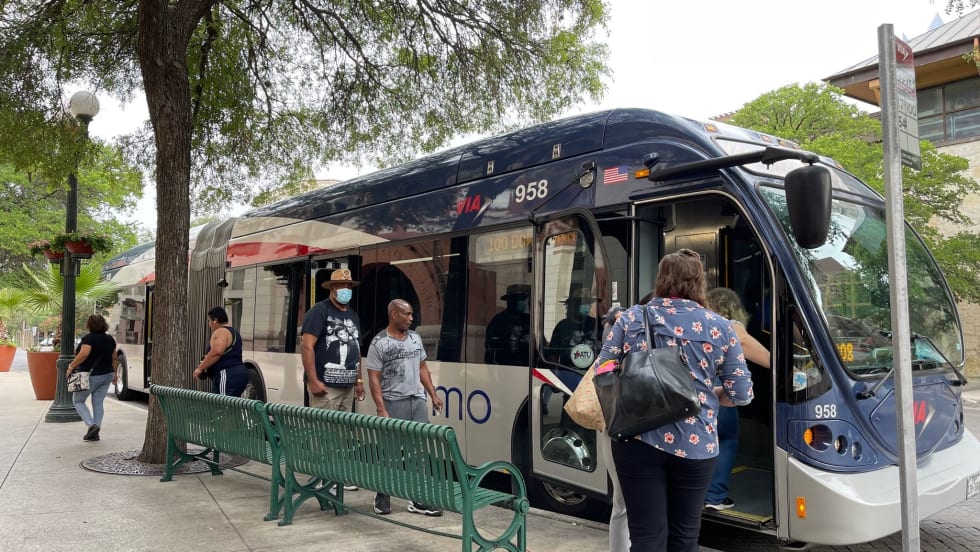
VIA Bus Ridership Grows 10.1% Through August 2026
San Antonio's VIA Metropolitan Transit reported the highest bus ridership growth among major Texas transit systems. Federal Transit Administration data ranked it second among the nation's 50 largest transit systems.
Read More →
CSA Group Releases Climate Resilience Standard for Transit, Passenger Rail
Developed with support from the Standards Council of Canada, CSA D700 guides assessing climate-related risks and planning adaptation measures for transit and passenger rail systems.
Read More →
ETA CEO John Maglio on Transit Technology, Innovation, and Building Agency Trust
ETA founder and CEO John Maglio explores the evolution of transit technology, the importance of reliable systems, and how stronger partnerships can help agencies improve operations and the passenger experience.
Read More →
COTA Launches First Customer Experience Action Plan to Improve Transit Service
The new plan outlines improvements to service reliability, accessibility, communication, and the overall rider experience across Central Ohio's transit system.
Read More →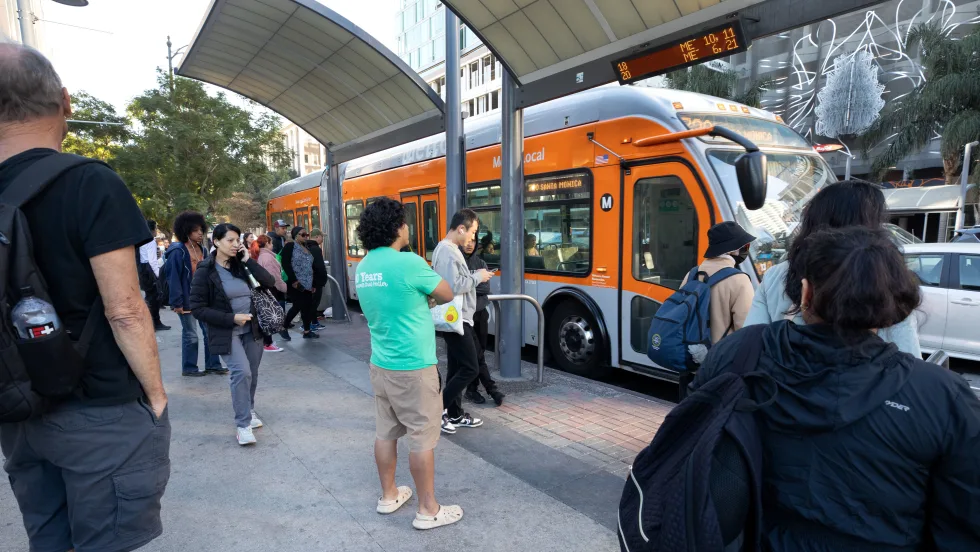
LA Metro September Ridership Climbs 3.9%, Led by Rail Growth
The agency recorded more than 27.2 million boardings, with rail ridership increasing 12.4% year over year and the D Line posting the largest gains.
Read More →
Utilimarc Launches SmartReplace to Optimize Fleet Replacement Decisions
AI-powered SmartReplace helps fleets prioritize vehicle replacements, model budget scenarios, and build more defensible long-term strategies.
Read More →