



San Diego MTS rail, bus ridership sees boost in Q1
he spike has been led by the Trolley, which has posted six straight months of year-over-year gains.

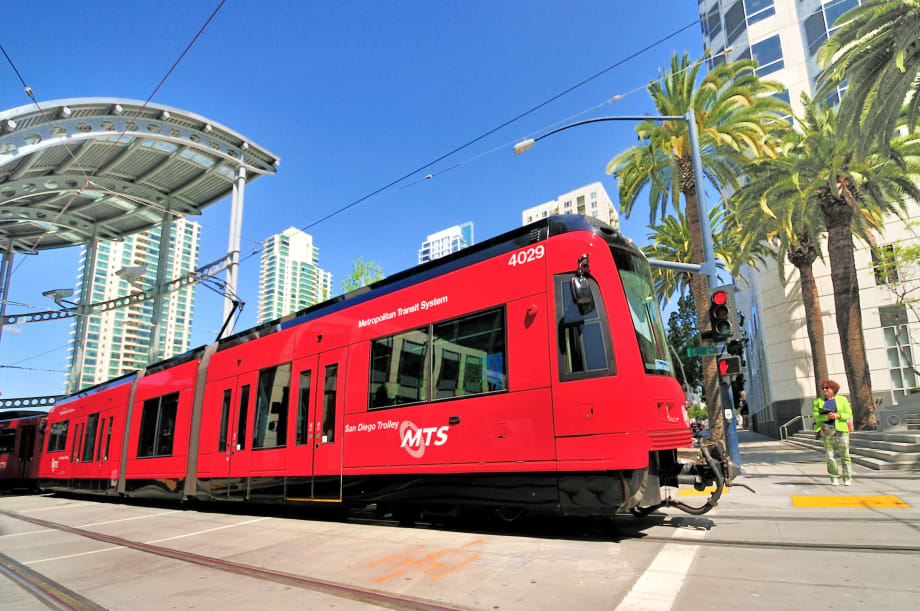
On the rail side, ridership increased by 621,063 passenger trips in the first quarter.
MTS
On the rail side, ridership increased by 621,063 passenger trips in the first quarter.
MTS
Ridership on San Diego’s Metropolitan Transit System (MTS) Trolley and bus network climbed by nearly one million extra passenger trips in the first three months of Fiscal Year 2020, which began on July 1, 2019. The spike has been led by the Trolley, which has posted six straight months of year-over-year gains, including a 9% jump in September.
On the rail side, ridership increased by 621,063 passenger trips in the first quarter. Notable is that Trolley ridership was 9.1% higher in in September 2019 compared to the same month in 2018. This is the Trolley’s largest ridership increase month-over-month since October 2014.
On the bus side, ridership increased by 323,481 passenger trips in the first quarter. Notable to this increase is that MTS buses had a 5% ridership spike in July, the largest year-over-year increase since October 2014.
And these positive gains were being experienced prior the first quarter. In the past six months (April–September) bus and Trolley ridership combined has grown by 1.2 million compared to the same months in 2018. Going back even further, Trolley ridership has improved in 11 of the past 13 months compared to the same months last year.
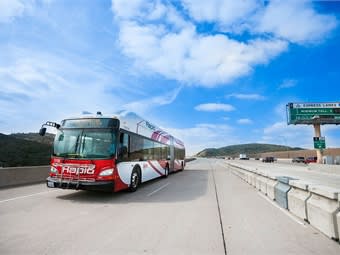
On the bus side, ridership increased by 323,481 passenger trips in the first quarter.
MTS
There are many factors that can lead to bus ridership gains:
MTS conducted a large ridership campaign last year culminating with its first Free Ride Day. That day saw a 17% increase in ridership from the same day a year before and ridership continued to climb for the entire month of October 2018. MTS just held its second annual Free Ride Day, and results were even better — a 30% spike in ridership.
Gas prices in San Diego have risen 85 cents/gallon since January.
MTS completed its Transit Optimization Plan — a $2 million plan that streamlined and added frequency to many of its routes.
While Trolley ridership has led the resurgence, bus ridership has held steady and two major developments have helped it into the plus column:
The South Bay Rapid opened and average weekday ridership on that line is about 1,800 and climbing. The addition of this service from Otay Mesa to downtown, as well as the opening of a modern transit center just north of the Otay Mesa Border Crossing, has caused other routes serving the area to increase as well.
Additionally, MTS increased Rapid Superloop service at the end of January. These routes, serving the University City area and UC San Diego, are showing weekday ridership gains of more than 3,000 trips per day.
More Management

Bus Tech Talk: Keeping Transit Technicians Ahead of the Technology Curve
LA Metro’s Obed Mejia discusses technician training, evolving maintenance technology, fleet replacement, and strategies for getting the most out of today’s transit fleets.
Read More →
Why Simulating Pedestrian Movement Has Become Essential for Modern Rail Stations
Pedestrian microsimulation is helping rail planners identify bottlenecks, test station designs, and prepare complex transit hubs for growing passenger volumes.
Read More →
People Movement: Holly Arnold Joins Transdev and More
In this edition, we also cover recent appointments and announcements at Pace, CamTran, MCI, and more, showcasing the individuals helping to shape the future of transportation.
Read More →

NITA Launches New Era of Regional Transit in Chicago
The new authority replaces the RTA and brings CTA, Metra, and Pace under a strengthened regional framework for funding, planning, fares, safety, and service coordination.
Read More →
How World Cup Mobility Put Transit and Motorcoaches to the Test
Behind the seamless trips were months of planning, multimodal partnerships, and lessons agencies and operators can carry into the next mega-event.
Read More →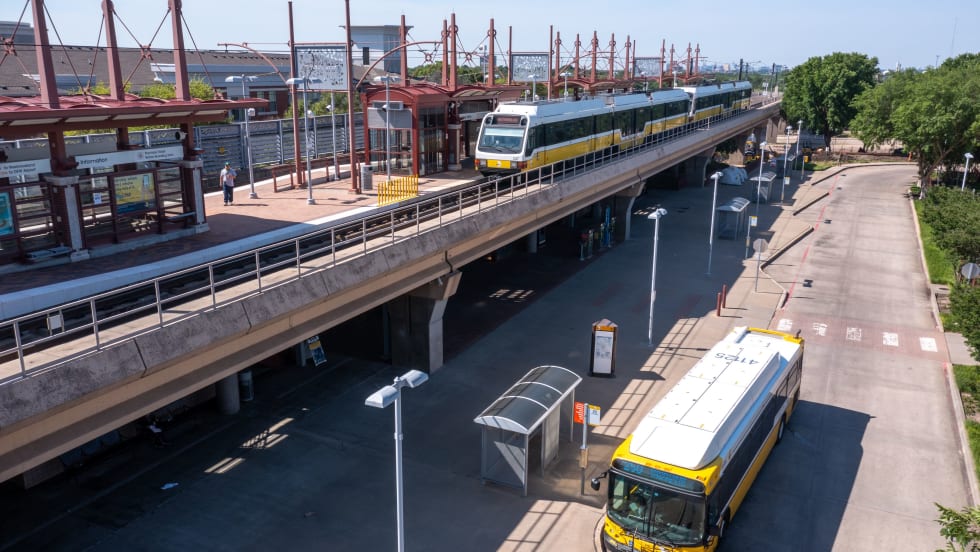
DART Introduces Dashboard to Track Ridership Data
The initial release represents the first phase of DART’s efforts to expand access to ridership information. Additional dashboard features, data, and functionality will be introduced in future phases.
Read More →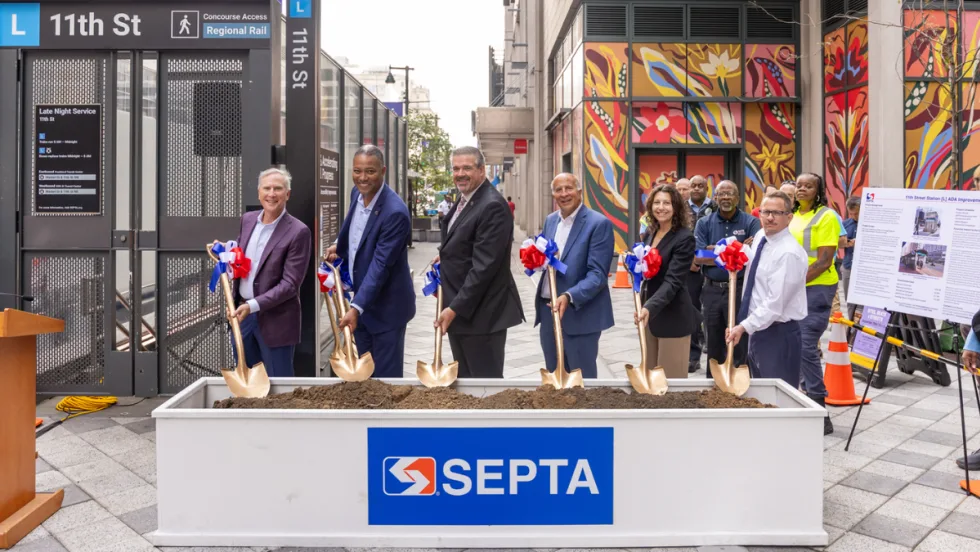
SEPTA Breaks Ground on $44M Accessibility Upgrade at 11th Street Station
The project will add elevators and other upgrades to make the busy L station fully ADA accessible, with a yearlong closure expected to accelerate construction and save up to $3 million.
Read More →
FTA Opens $610M for Transit Fleet Modernization
Propane autogas gives transit agencies a reliable, funding-eligible option for fleet upgrades.
Read More →
NJ TRANSIT Explores Unified Real-Time Customer Communications Platform
The agency is gathering industry input on AI, real-time data, and integrated communications technology as it prepares to procure a system that delivers faster, more consistent transit updates across every customer channel.
Read More →
RTD Launches NextRide App to Consolidate Trip Planning, Fares, Security Reporting
The app expands on RTD’s existing NextRide web application and allows customers to view real-time vehicle locations and service alerts, purchase and store digital fares, and access customer support.
Read More →