



Report shows which countries are most prepared for autonomous tech
Evaluated on policy & legislation; technology & innovation, infrastructure and consumer acceptance.


A country's economic development correlates strongly with preparedness for autonomous vehicles, according to KMPG's report on the technology. Image: Southwest Research Institute

Autonomous vehicles (AVs) are poised to revolutionize not only transportation but the way people live and work throughout the world. But are countries ready for an AV-driven future? The 2018 KPMG Autonomous Vehicles Readiness Index (AVRI) evaluates the preparedness of 20 countries globally for the introduction of self-driving vehicles, and highlights best practices to help countries accelerate AV adoption.
The AVRI examines where countries are today in terms of progress and capacity for adapting AV technology. The Index evaluates each country according to four pillars that are integral to a country's capacity to adopt and integrate autonomous vehicles: policy & legislation; technology & innovation, infrastructure and consumer acceptance.
The pillars are comprised of a number of variables that reflect the wide range of factors that impact a country's AV readiness, from the availability of electric vehicle charging stations, to AV technology R&D, to the population's willingness to adopt technology, to the regulatory environment.
Countries most ready for autonomous vehicles
According to the AVRI, the 10 countries most prepared for the future of autonomous transportation of those researched are:
Netherlands
Singapore
United States
Sweden
United Kingdom
Germany
Canada
United Arab Emirates
New Zealand
South Korea
The Netherlands ranks consistently high — in the top four across all four pillars — with strengths including widespread acceptance of electric cars and a high density of charging stations, a robust telecommunications network, vital for directing AVs, and large scale AV road tests planned. Others in the top five display a range of strengths, with Singapore ranking first in policy & legislation and consumer acceptance, the U.S. and Sweden ranked first and second, respectively, in technology & innovation and the UK ranked in the top five for three pillars.
Accelerating advancement of autonomous vehicles
Overall, a country's economic development correlates strongly with preparedness for AVs, however looking deeper, the AVRI highlights some consistent attributes among the most prepared countries. These include public authorities engaged in and supporting AV development, excellent roads and mobile network infrastructure, and private sector investment and innovation.
“Planning today for an AV future is essential, because it is not a question of if, but when, AVs become the dominant mode of transport,” says Richard Threlfall, Global Head of Infrastructure, KPMG International. "Embracing partnerships between government and the private sector can speed technology development, while helping ensure that the introduction of AVs meet public policy objectives. Finally, it is important to engage all stakeholders — government, business and citizens — in planning for AVs. It's not just about transportation; we need to be prepared for the impact of AVs on all aspects of our lives.”
More New Mobility

New Tricks for Old Bureaucracies: Joshua Schank on Making Transit Innovation Stick
Former LA Metro Chief Innovation Officer Joshua Schank discusses why good ideas aren't enough, how transit agencies can overcome resistance to change, and why today's challenges demand more innovation.
Read More →
How DART's GoPass Is Redefining Regional Mobility
Serving 14 transit agencies, GoPass simplifies multimodal travel by allowing riders to plan, pay for, and manage an entire trip through one app.
Read More →
Biz Briefs: OCTA Taps Clean Energy for Hydrogen Station, Stadler to Supply Via Rail Vehicles, and More
From manufacturers and suppliers to transit agencies and motorcoach operators, these updates offer a snapshot of the projects, partnerships and business moves driving the industry forward.
Read More →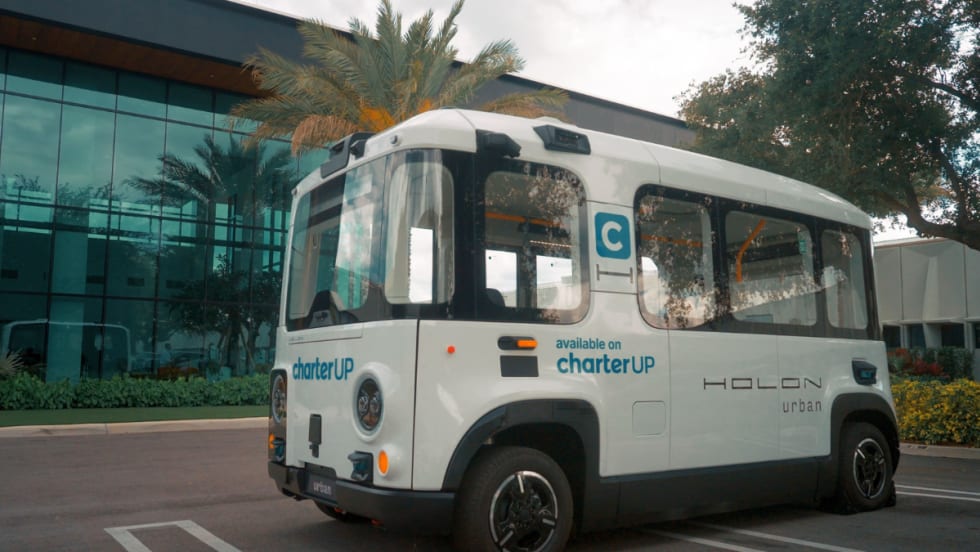
CharterUP Expands Into New Mobility and Autonomous Transportation
Vice President of New Mobility Stephen Joos discusses how CharterUP is leveraging its nationwide transportation network, technology platform, and autonomous vehicle partnerships to expand into workforce mobility, campus shuttles, and transit solutions.
Read More →
METRO Magazine Announces 2026 Innovative Solutions Awards Winners
Projects Recognized for Advancing Mobility Through Technology, Accessibility, Workforce Innovation, and Operational Excellence
Read More →
Biz Briefs: STV teams with Amtrak, Motorcoach Operators Boost Fleet and Land Contracts, and More
From manufacturers and suppliers to transit agencies and motorcoach operators, these updates offer a snapshot of the projects, partnerships and business moves driving the industry forward.
Read More →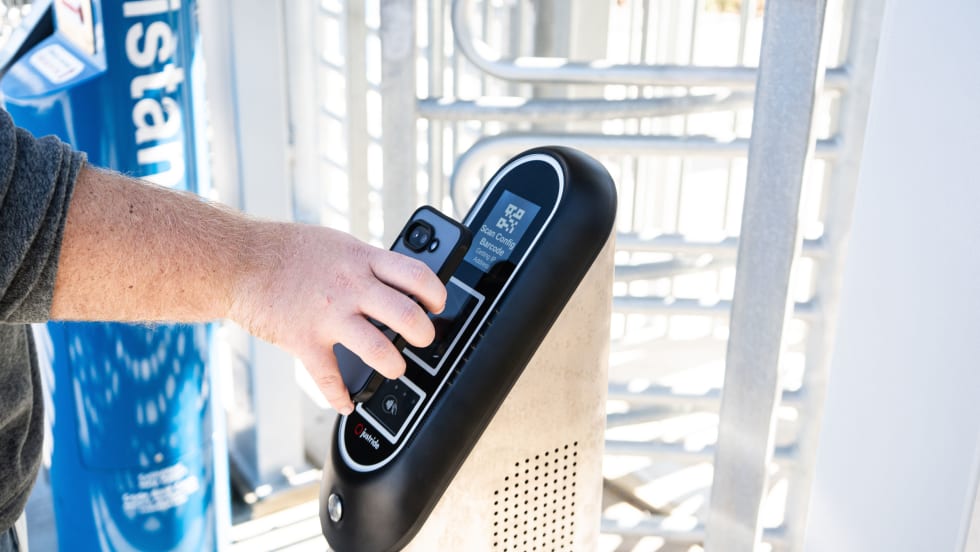
Biz Briefs: Masabi Teams with St. Louis Metro and More
In METRO's latest installment, we take a look at recent news from Transdev, Hitachi, and more partnerships making headlines across the transportation sector.
Read More →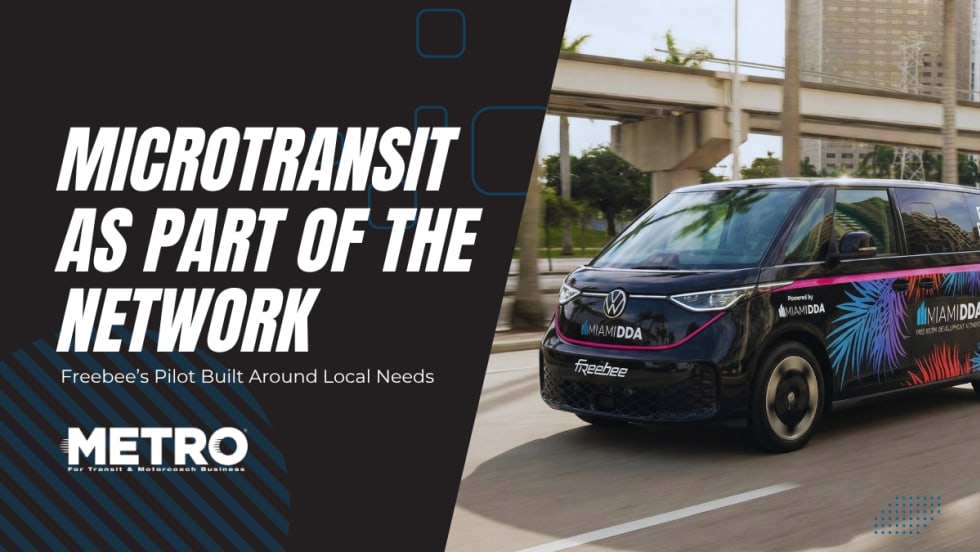
Microtransit's Next Test: Becoming Part of the Network
Freebee shows how electric microtransit is moving beyond pilots to fill network gaps, connect riders to transit, and prove lasting value.
Read More →
Ford to Leave JTA After More Than 10 Years as CEO
He plans to continue his work advancing innovative mobility solutions to improve the quality of life in communities across the nation. He did not announce specific plans.
Read More →
Florida's JTA Marks One Year NAVI Anniversary
During its first year of operation, NAVI has transported over 15,200 passengers and traveled more than 61,000 miles in autonomous mode without a safety incident caused by the autonomous driving system.
Read More →