



FTA threatens to withhold D.C Metro funding
The threat came just days after Metro officials announced a yearlong plan to overhaul the ailing subway system and two days after a third-rail explosion had thrown metal shards onto the platform at the Federal Center station.


Larry Levine

Larry Levine
WASHINGTON, D.C. — The Federal Transit Administration has threatened to withhold funding from the Washington Metropolitan Area Transit Authority (Metro) and shut it down if it does not comply with safety directives issued by both the FTA and the National Transportation Safety Board, The Washington Times reports.
The threat came just days after Metro officials announced a yearlong plan to overhaul the ailing subway system and two days after a third-rail explosion had thrown metal shards onto the platform at the Federal Center station.
According to documents, the FTA directives require Metro to quickly make four fixes to its culture: regard safety as more important than operational convenience, reduce the risk of fire and smoke, improve emergency preparedness and increase training for Metro workers via a “safety standdown.”
Failure to comply would result in the federal agency withholding 25% of Metro’s federal funds, along with “issuing restrictions, closures or prohibitions on service as necessary.” The FTA assumed oversight of Metro safety in October. For the full story, click here.
More Motorcoach

METRO Opens Submissions for 2026 Motorcoach Awards
Nominations are now being accepted for METRO Magazine’s Operator of the Year and Innovative Operator of the Year awards.
Read More →
Biz Briefs: Alstom Lands Canadian Contract, LYT to Supply California TSP, and More
In METRO's latest installment, we take a look at recent news from Complete Coach Works, Beep, FlixBus, and more partnerships making headlines across the transportation sector.
Read More →
Biz Briefs: RIPTA Unveils New Frontrunners, Clevland RTA Adds New Siemens, and More
In METRO's latest installment, we take a look at recent news from Siemens, Prevost, Dodge, and more partnerships making headlines across the transportation sector.
Read More →
People Movement: Holly Arnold Joins Transdev and More
In this edition, we also cover recent appointments and announcements at Pace, CamTran, MCI, and more, showcasing the individuals helping to shape the future of transportation.
Read More →
ABA Report: Motorcoach Travel Generates $161.6B Economic Impact
The 2025 analysis finds motorcoach travel supported nearly 900,000 jobs and generated $28 billion in federal, state, and local taxes.
Read More →
CharterUP’s Armir Harris on Technology, AI, and the Future of Group Mobility
In a recent episode of METROspectives, CharterUP Founder/CEO Armir Harris discussed the company’s evolution from an online charter bus marketplace into a technology platform supporting public- and private-sector mobility and much more.
Read More →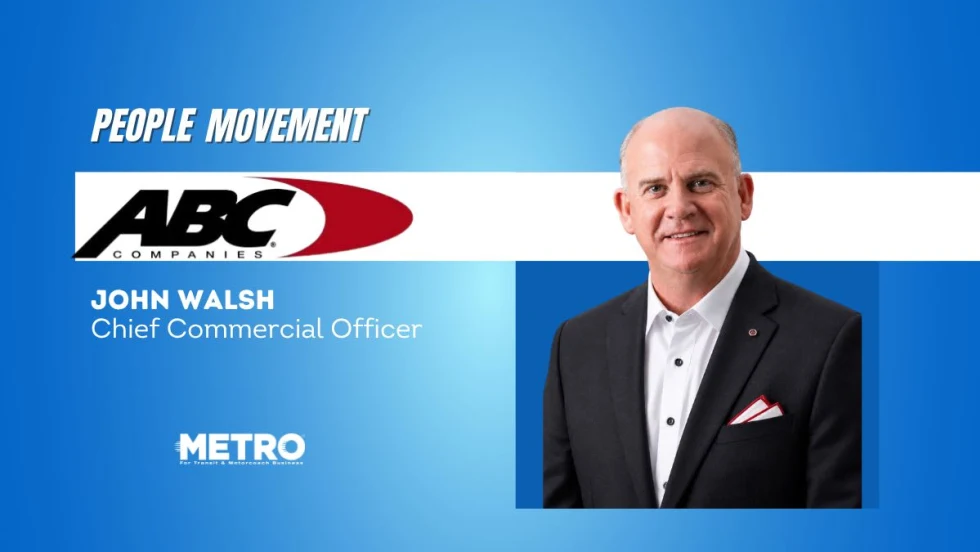
People Movement: ABC Names John Walsh as Chief Commercial Officer
In this edition, METRO also covers recent appointments and announcements at the DART, STV, and more, showcasing the individuals helping to shape the future of transportation.
Read More →
From Surviving to Thriving: Building Stronger Transportation Organizations
Bus Business Consultants founder Brian Dickson shares lessons on leadership, organizational health, and creating options for long-term success in a changing transportation industry.
Read More →
Biz Briefs: Luminator Marks Milestone and More
From manufacturers and suppliers to transit agencies and motorcoach operators, these updates offer a snapshot of the projects, partnerships and business moves driving the industry forward.
Read More →
ABAF Study Reveals Growing Insurance Crisis for Motorcoach Operators
Preliminary findings show 98% of operators faced premium increases over the past five years, while shrinking insurer participation is putting added pressure on businesses and customers.
Read More →