



NTSB: Metrolink crash caused by texting operator
Inattention caused him to run red light.

The National Transportation Safety Board (NTSB) determined that the 2008 rail accident in Chatsworth, Calif., involving a Metrolink commuter train and a Union Pacific freight train, was caused by the Metrolink engineer's prohibited use of a wireless device while he was operating the train.
The engineer failed to respond appropriately to a red signal at Control Point Topanga because he was engaged in text messaging at the time, the NTSB said.
The September 12, 2008 head-on collision resulted in 25 fatalities and more than 100 injuries. As a result of its findings, the NTSB recommended that the Federal government require audio and image recorders in the cabs of all locomotives and in cab car operating compartments.
According to records from the wireless provider, on the day of the accident, while on duty, both the Metrolink engineer and the Union Pacific conductor used wireless devices to send and receive text messages. The engineer also made non-business related voice calls while on duty.
Although Metrolink prohibits its engineers from using wireless devices while operating a train, the privacy afforded by the locomotive cab, once the train leaves a station, makes it difficult for violations of operating rules to be discovered through ordinary management supervision or efficiency testing, the NTSB noted. On previous occasions, the Metrolink engineer also had allowed unauthorized persons to join him in the locomotive cab and even operate the train.
The NTSB also cited the lack of a positive train control system (PTC) as a contributing factor in the accident. A positive train control system would have stopped the Metrolink train short of the red signal, thus preventing the accident.
With the completion of this accident investigation, the NTSB made two recommendations to the Federal Railroad Administration:
Require the installation, in all controlling locomotive cabs and cab car operating compartments, of crash- and fire-protected inward- and outward-facing audio and image recorders capable of providing recordings to verify that train crew actions are in accordance with rules and procedures that are essential to safety as well as train operating conditions. The devices should have a minimum 12-hour continuous recording capability with recordings that are easily accessible for review, with appropriate limitations on public release, for the investigation of accidents or for use by management in carrying out efficiency testing and system-wide performance monitoring programs.
Require that railroads regularly review and use in-cab audio and image recordings (with appropriate limitations on public release), in conjunction with other performance data, to verify that train crew actions are in accordance with rules and procedures that are essential to safety.
A summary of the findings of the Board's report is available on the NTSB's Website at: http://ntsb.gov/Publictn/2010/RAR1001.htm. The full report will be available on the Website in several weeks.
More Rail
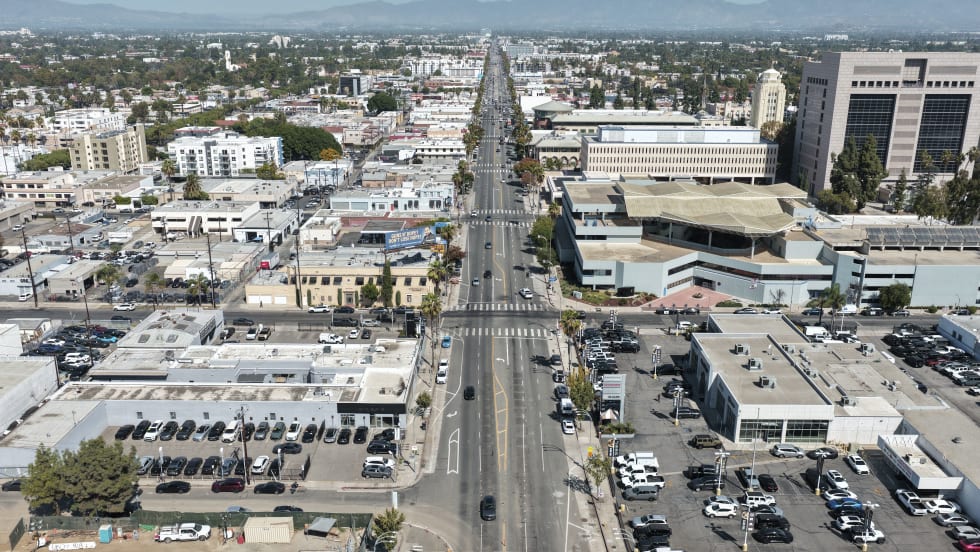
LA Metro Breaks Ground on East San Fernando Valley Light Rail Project
The 6.7-mile line will add 11 stations along Van Nuys Boulevard, expand access to jobs and regional transit connections, and support Metro’s broader efforts to improve mobility as rail ridership grows.
Read More →
CSA Group Releases Climate Resilience Standard for Transit, Passenger Rail
Developed with support from the Standards Council of Canada, CSA D700 guides assessing climate-related risks and planning adaptation measures for transit and passenger rail systems.
Read More →
LA Metro September Ridership Climbs 3.9%, Led by Rail Growth
The agency recorded more than 27.2 million boardings, with rail ridership increasing 12.4% year over year and the D Line posting the largest gains.
Read More →
First Full MetroLink Rail Expansion Completed in 20 Years with $192M Airport Project
The project links two St. Louis-area airports by light rail while adding roadway and bike trail connections to improve regional access and mobility.
Read More →
Utilimarc Launches SmartReplace to Optimize Fleet Replacement Decisions
AI-powered SmartReplace helps fleets prioritize vehicle replacements, model budget scenarios, and build more defensible long-term strategies.
Read More →
Scenes from APTA TRANSform & EXPO 2026
Transit leaders, manufacturers, and industry professionals gathered in Chicago to explore new technologies, share ideas, and discuss the future of public transportation.
Read More →
USDOT Awards $416 Million for Florida Rail Crossing Safety Upgrades, New Brightline Station
The projects aim to reduce risks for motorists and pedestrians at rail crossings while expanding passenger rail access along Florida’s Space Coast.
Read More →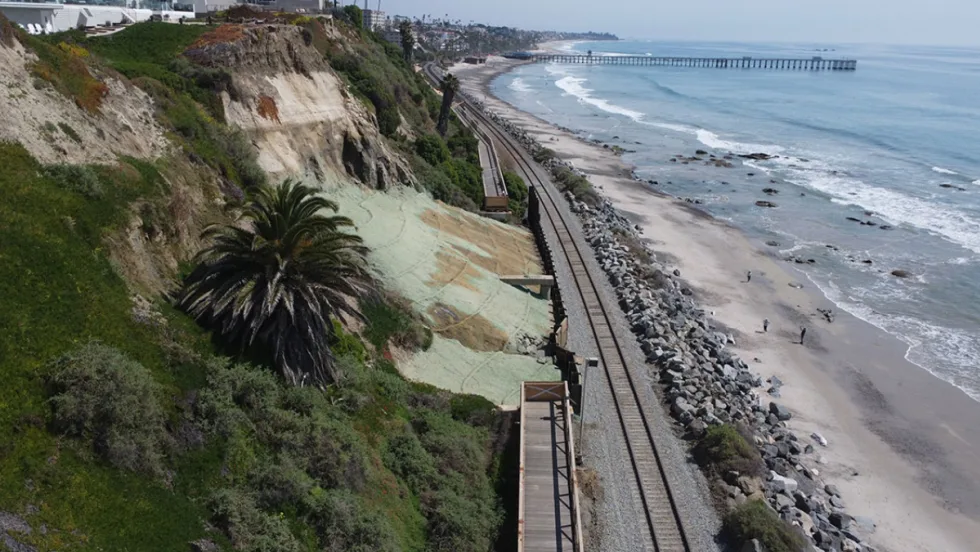
OCTA Declares Emergency to Protect Rail Corridor From Coastal Erosion
The California agency is accelerating shoreline protection and plans to place approximately 690,000 cubic yards of sand along the San Clemente coast to protect a key passenger and freight rail link.
Read More →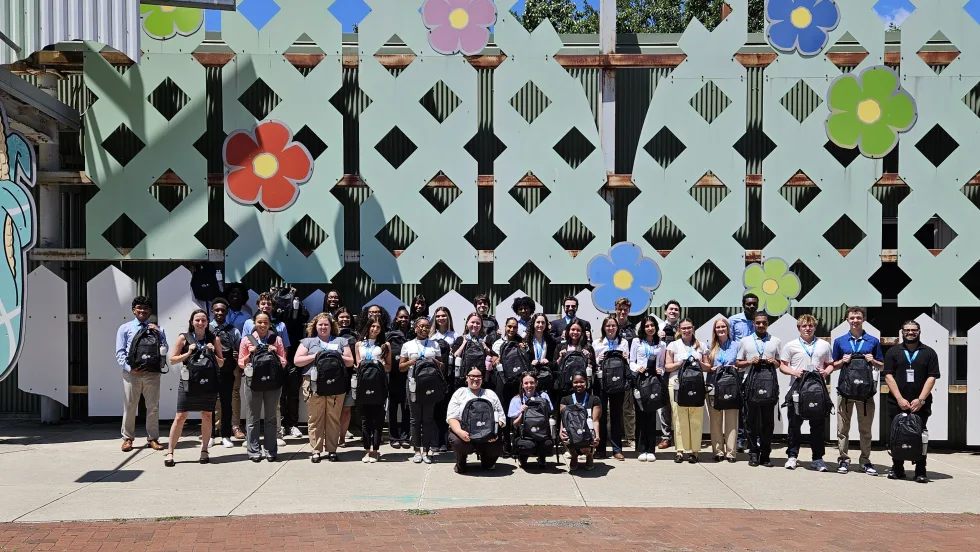
More Than a Summer Job: Building the Next Generation of Transit Talent
The Delaware River Port Authority and PATCO have transformed their internship program into a hands-on professional development experience that introduces students to the breadth of transportation careers — and creates a pipeline for future employees.
Read More →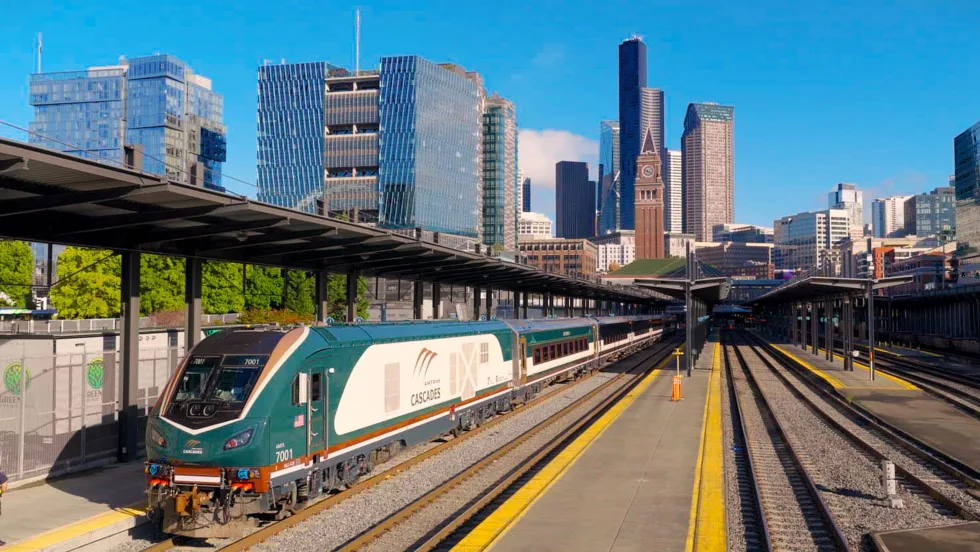
Airo Trains Make Their Amtrak Cascades Debut in the Pacific Northwest
Effective immediately, two cutting-edge Airo trainsets will join the Amtrak Cascades route, operating four daily trips between Vancouver, B.C., Seattle, Portland, and Eugene, Oregon, marking the first introduction of Airo trains into passenger service anywhere in the country.
Read More →