



Report: Most baby boomers to face poor mobility options
By 2015, more than 15.5 million Americans 65 and older will live in communities where public transportation service is poor or non-existent, a new study shows.

By 2015, more than 15.5 million Americans 65 and older will live in communities where public transportation service is poor or non-existent, a new study shows. That number is expected to continue to grow rapidly as the baby boom generation "ages in place" in suburbs and exurbs with few mobility options for those who do not drive.
The report, "Aging in Place, Stuck without Options," ranks metro areas by the percentage of seniors with poor access to public transportation, now and in the coming years and presents other data on aging and transportation.
The analysis by the Center for Neighborhood Technology evaluates metro areas within each of five size categories. It shows that in just four years, 90 percent of seniors in metro Atlanta will live in neighborhoods with poor access to options other than driving, the worst ranking among metro areas with populations over three million. In that size category, metro Atlanta is followed by the Riverside-San Bernardino, Calif. metro area, along with Houston, Detroit and Dallas.
Kansas City tops the list for metros of one to three million, followed by Oklahoma City; Fort Worth, Texas; Nashville; and Raleigh-Durham, N.C.
In smaller areas like Hamilton, Ohio, 100 percent of seniors will have poor access to public transportation. These conditions present a daunting challenge to local communities as a larger share of their population demands increased mobility options.
"The baby boom generation grew up and reared their own children in communities that, for the first time in human history, were built on the assumption that everyone would be able to drive an automobile," said John Robert Smith, president/CEO of Reconnecting America and co-chair of Transportation for America. "What happens when people in this largest generation ever, with the longest predicted lifespan ever, outlive their ability to drive for everything? That's one of the questions we set out to answer in this report."
Without access to affordable travel options, seniors age 65 and older who no longer drive make 15 percent fewer trips to the doctor, 59 percent fewer trips to shop or eat out, and 65 percent fewer trips to visit friends and family, than drivers of the same age, research shows. As the cost of owning and fuelling a vehicle rises, many older Americans who can still drive nonetheless will be looking for lower-cost options.
The transportation issues of an aging America are national in scope, and cash-strapped state and local governments will be looking for federal support in meeting their needs, Smith said. As Congress prepares this summer to adopt a new, long-term transportation authorization, "Aging in Place, Stuck without Options" outlines policies to help ensure that older Americans can remain mobile, active and independent:
Increase funding support for communities looking to improve service such as buses, trains, vanpools, paratransit and ridesharing.
Provide funding and incentives for transit operators, nonprofit organizations, and local communities to engage in innovative practices.
Encourage state departments of transportation, metropolitan planning organizations, and transit operators to involve seniors and the community stakeholders in developing plans for meeting the mobility needs of older adults.
Ensure that state departments of transportation retain their authority to "flex" a portion of highway funds for transit projects and programs.
Include a "complete streets" policy to ensure that streets and intersections around transit stops are safe and inviting for seniors.
To view the full report and to see the extended rankings, click here.
More Paratransit
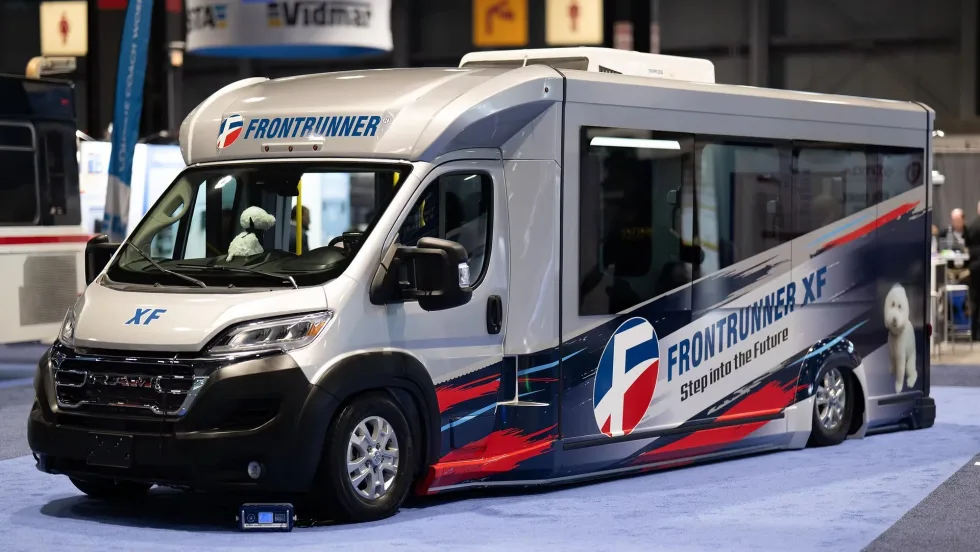
Frontrunner Bus Group Introduces XF Low-Floor Bus with Enhanced Accessibility
The new mid-sized bus features a full flat-floor design, eight-inch curbside step-in height, and zero-entry rear ramp to improve passenger access and operational flexibility.
Read More →
Scenes from APTA TRANSform & EXPO 2026
Transit leaders, manufacturers, and industry professionals gathered in Chicago to explore new technologies, share ideas, and discuss the future of public transportation.
Read More →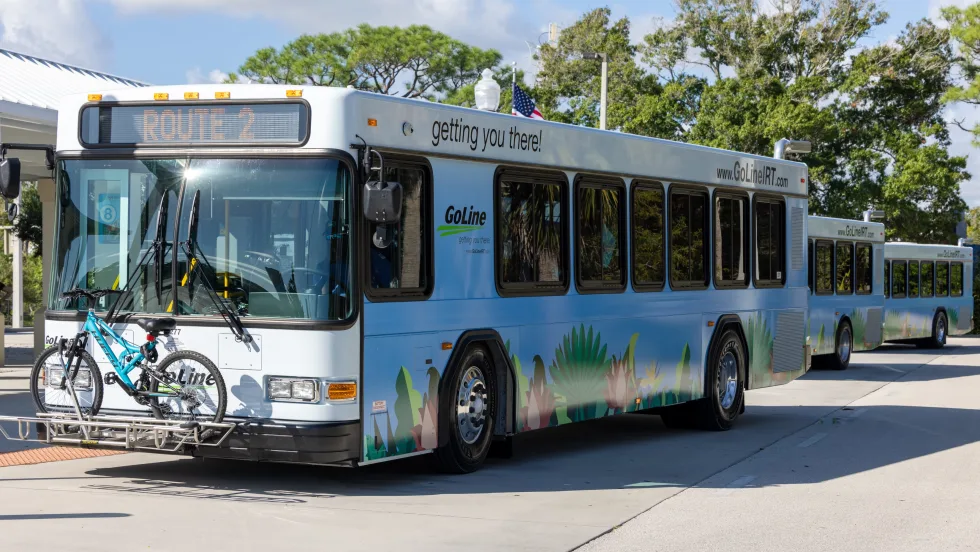
Indian River Transit’s Community-Focused Approach Earns National Recognition
Named APTA’s 2026 Outstanding Public Transportation System in its size category, Florida’s Indian River County transit system continues to grow ridership through fare-free service and a focus on evolving community needs.
Read More →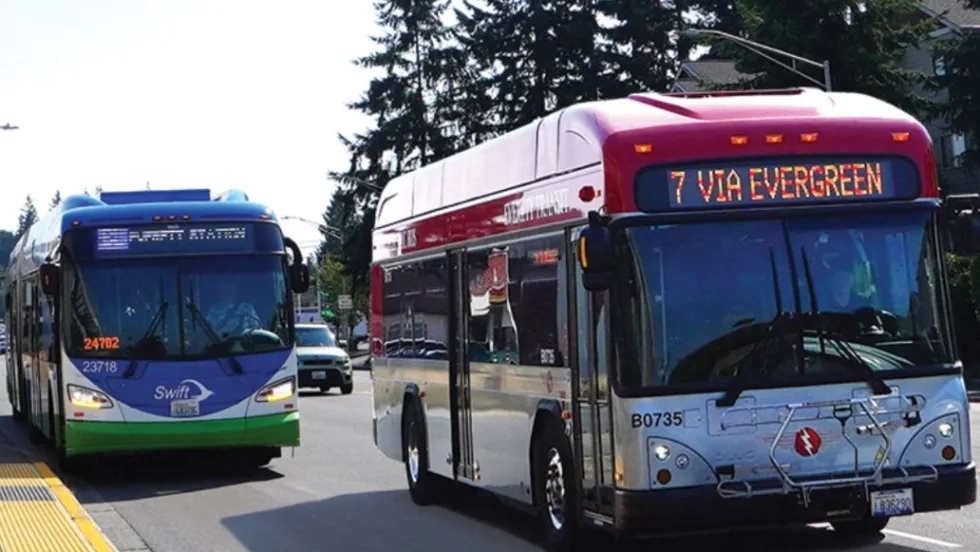
Everett Transit, Community Transit Outline Consolidation Agreement
The proposed agreement calls for a 50% increase in bus service in Everett, a new microtransit zone, continued paratransit service, and the transfer of Everett Transit operations to Community Transit.
Read More →
Driving Smarter Paratransit
John Hanlon shares how AlphaRoute is leveraging AI-powered technology to help paratransit providers optimize operations, support frontline staff, and enhance the rider experience.
Read More →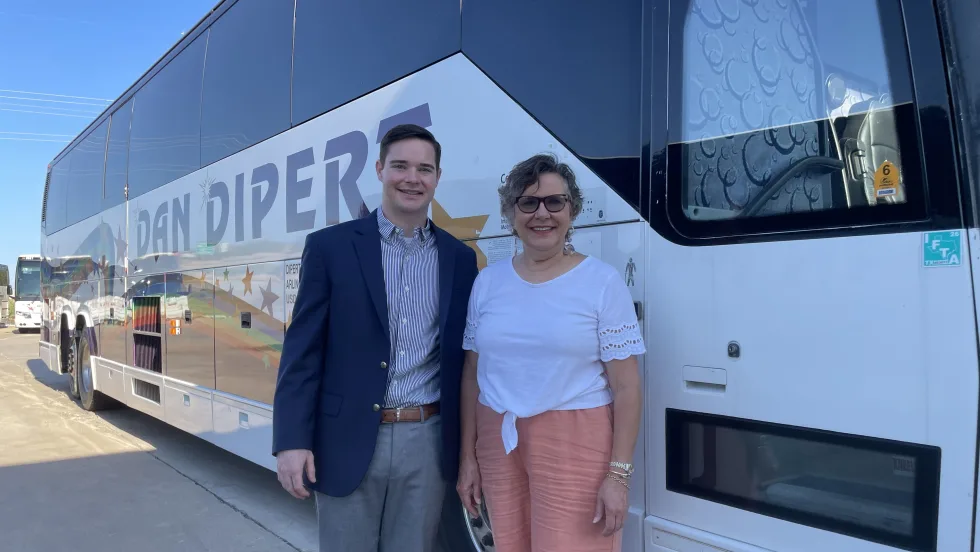
People Movement: Dan Dipert Coaches Adds Third-Generation Leader, Keolis Names New Valley Metro VP/GM, and More
In this edition, we also cover recent appointments and announcements at the Wabtec, SilverRide, HNTB, and more, showcasing the individuals helping to shape the future of transportation.
Read More →
Biz Briefs: RIPTA Unveils New Frontrunners, Clevland RTA Adds New Siemens, and More
In METRO's latest installment, we take a look at recent news from Siemens, Prevost, Dodge, and more partnerships making headlines across the transportation sector.
Read More →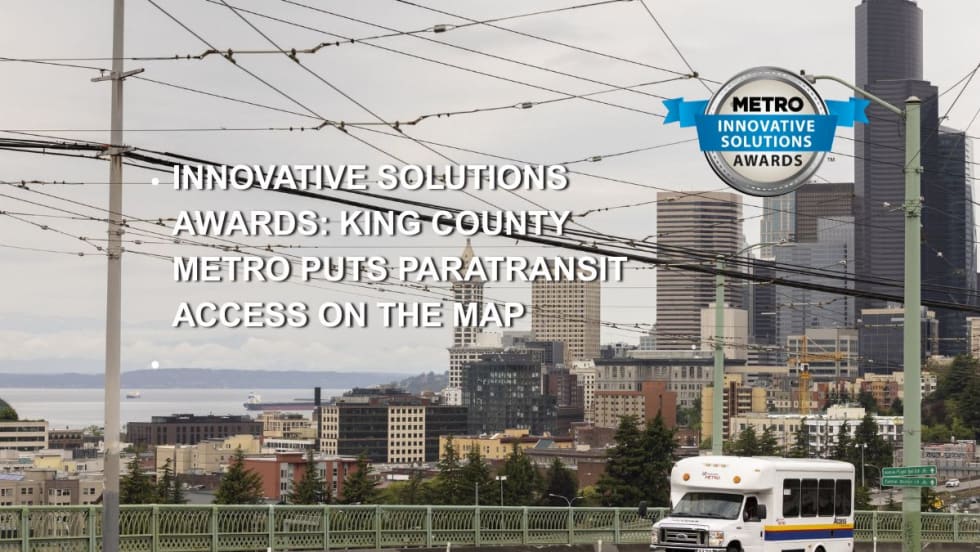
King County Metro Makes ADA Paratransit Easier to Navigate
METRO's Innovative Solutions Award winner replaces complex service-area descriptions with an accessible, interactive map that puts paratransit information directly in customers’ hands.
Read More →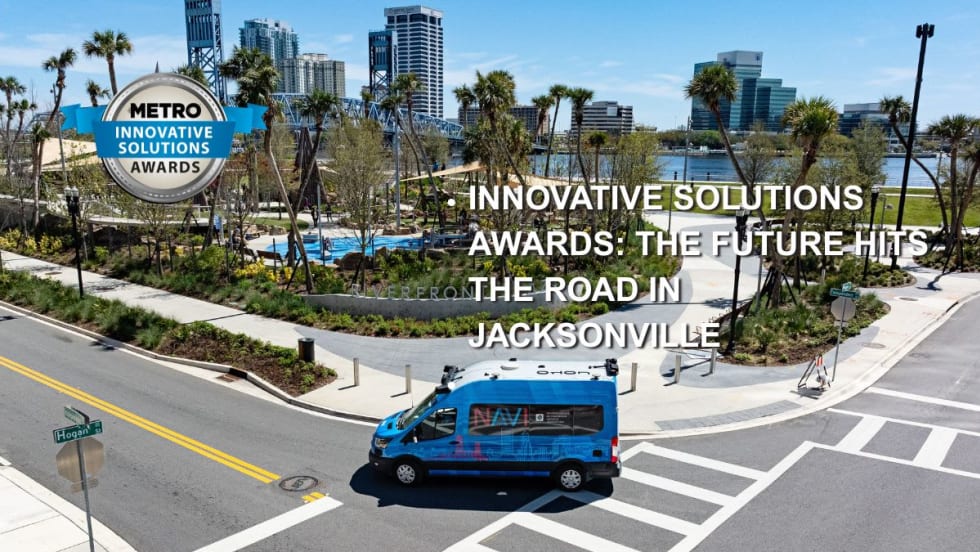
Jacksonville’s NAVI Project Charts a New Course for Autonomous Public Transportation
Through its NAVI program, JTA is showing how autonomous vehicles, intelligent infrastructure, and coordinated operations can work together to deliver everyday public transportation.
Read More →
Driving Smarter Paratransit
John Hanlon shares how AlphaRoute is leveraging AI-powered technology to help paratransit providers optimize operations, support frontline staff, and enhance the rider experience.
Read More →