



Calif. high-speed authority continues progress
Five Design-Build teams qualified for a short list and will compete for contracts to build the backbone of the high-speed rail system in the Central Valley. MOU outlines a shared commitment to development of high-speed rail in Southern California while providing funding for local early investment projects that will improve rail service immediately.

The California High-Speed Rail Authority (CHSRA) approved terms and conditions to be issued with a Request for Proposal (RFP), a process that allows Design-Build teams to bid on construction of the first high-speed rail project in California.
Five Design-Build teams qualified for a short list and will compete for contracts to build the backbone of the high-speed rail system in the Central Valley. Proposals will be scored on whether they meet strict guidelines for technical competence, deadline schedules, methods of operation and costs. The winning bid will include a CHSRA policy and goal that says 30% of the work will go to small businesses.
CHSRA agreed to award a $2 million stipend to Design-Build teams that submit bids but are not awarded the contract. Stipends are a common engineering industry practice that partially compensates companies that participate in the RFP process.
The first segment of the high-speed rail project will extend 25 miles from near the city of Madera to south of the city of Fresno. It will create an estimated 100,000 job-years over the next five years and one million job-years over the next 20 years, according to the agency.
The Federal Railroad Administration (FRA) will pay for half of the $1.5 to $2 billion project. Proposition 1A, the High-Speed Passenger Train Act, approved by voters in 2008, will supply money for CHSRA's portion of the funding.
The CHSRA board of directors also voted to support the development of a Memorandum of Understanding (MOU) with Southern California transportation agencies. It outlines a shared commitment to development of high-speed rail in Southern California while providing funding for local early investment projects that will improve rail service immediately.
Agencies that have already approved the MOU include Southern California Association of Governments, Los Angeles County Metropolitan Transportation Authority, Riverside County Transportation Commission, San Diego Association of Governments, San Bernardino Associated Governments and the Southern California Regional Rail Authority (Metrolink).
Specifically, the CHSRA would identify $1 billion in Prop 1A or other funds that could be used for early investment projects along the high-speed rail corridors, as defined in the authority's Business Plan. Meanwhile, regional agencies would work with the CHSRA to find matching funds in order to improve existing railways and deliver the high-speed rail system sooner to Southern California. The coordinated effort defines a new interagency partnership that further promotes intermodal connectivity.
All agencies will coordinate to develop a Candidate Project list for early investment in Southern California by 2020. In addition, the agencies will prepare performance criteria for selecting and prioritizing the projects from the Candidate Project list. These projects will be recommended to the Legislature, which is uniquely responsible for approval and appropriation.
More Rail
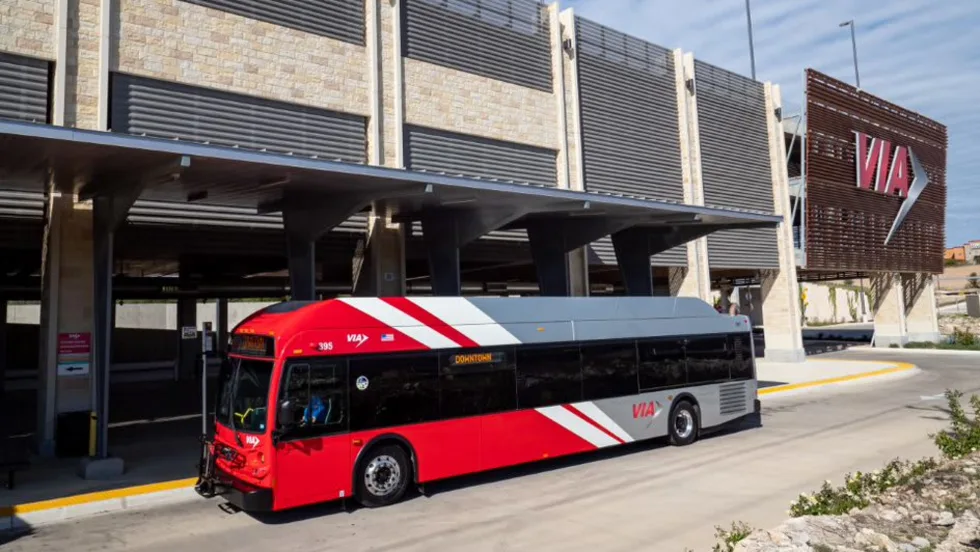
VIA, MBTA Reach Pre-Pandemic Ridership Milestones as Transit Use Climbs
VIA surpasses three million monthly trips for the first time since 2020, while the MBTA tops one million average weekday trips as both agencies report continued ridership growth.

People Movement: Metrolink's Kettle Announces Retirement, Feakins to CEO at UZURV, and More
In this edition, we also cover recent appointments and announcements at King County Metro, SilverRide, and more, showcasing the individuals helping to shape the future of transportation.
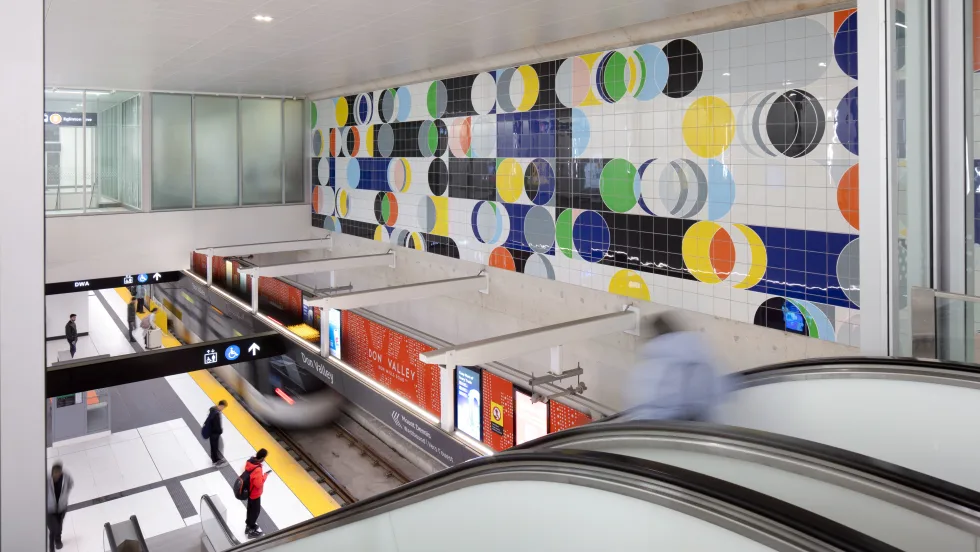
How Gen Z's Changing Mobility Habits Are Reshaping Public Transit
As younger generations embrace multimodal mobility over private vehicles, transit agencies can rethink station design, the passenger experience, and public transportation's role in building connected communities.
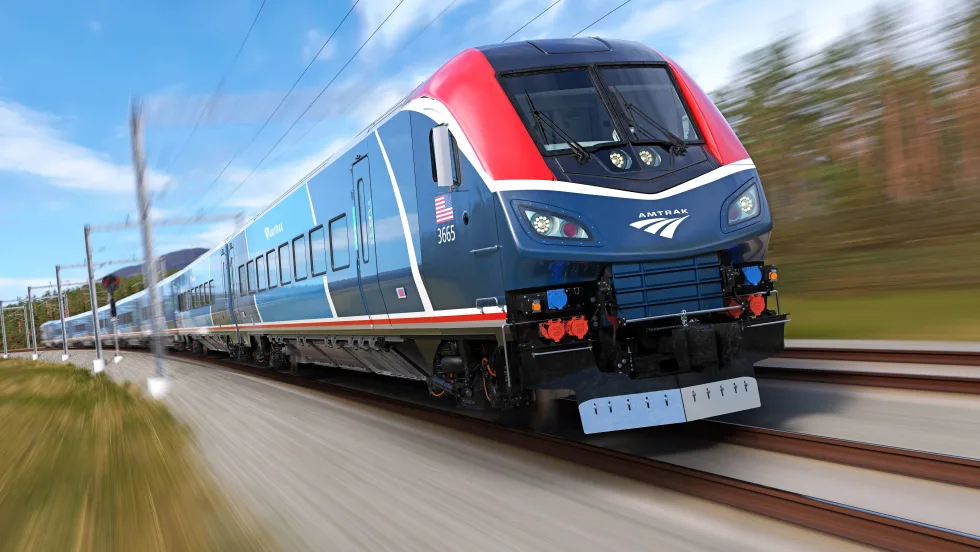
Amtrak Expands Airo Fleet with Eight Higher-Capacity Trainsets
The new 10-car trains, expected to enter service in 2031, will provide about 34% more seating capacity to meet growing demand on the Northeast Corridor.
APTA Urges FTA to Withdraw Proposed Capital Investment Grants Guidance
The association warns that proposed changes could delay transit projects, reduce federal funding, and create new hurdles for 47 projects currently in the CIG pipeline.
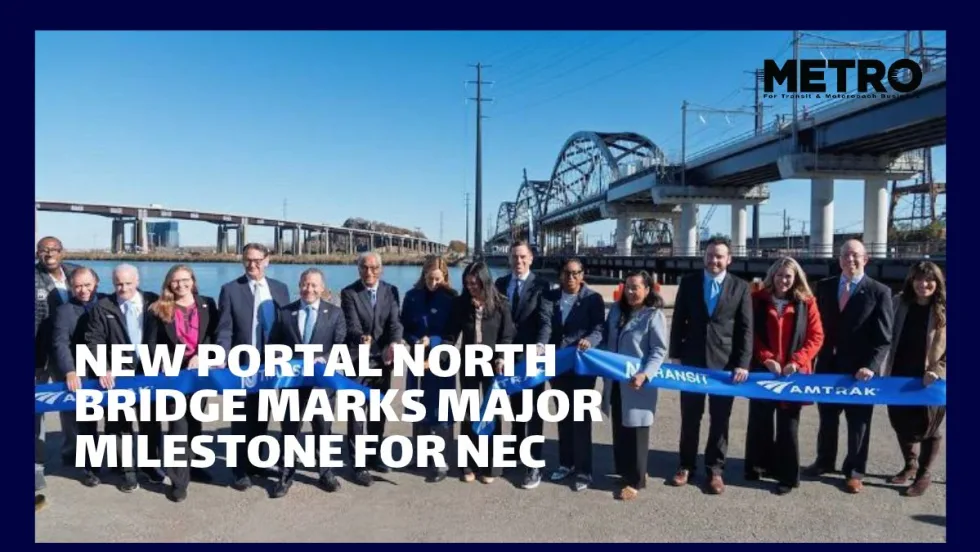
Amtrak, NJ TRANSIT Launch Full Service on New Portal North Bridge
The completion of the two-track bridge over the Hackensack River eliminates a longstanding source of delays for NJ TRANSIT and Amtrak customers. It marks a major milestone for the Gateway Program.
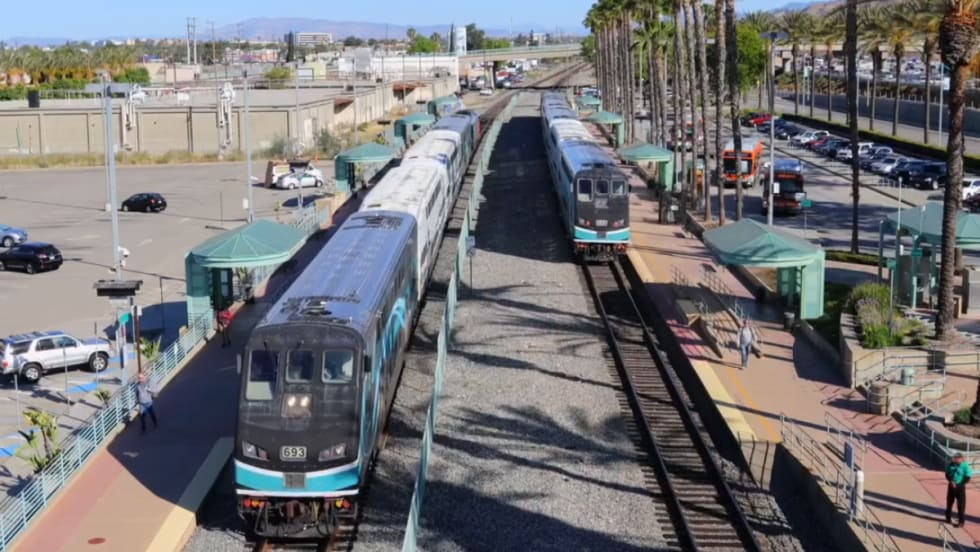
Southern California’s Metrolink Approves $508.8M Budget, Avoids Service Cuts
A $20 million state allocation allows the regional rail agency to maintain existing weekday and weekend service through fiscal year 2028, although longer-term funding challenges remain.
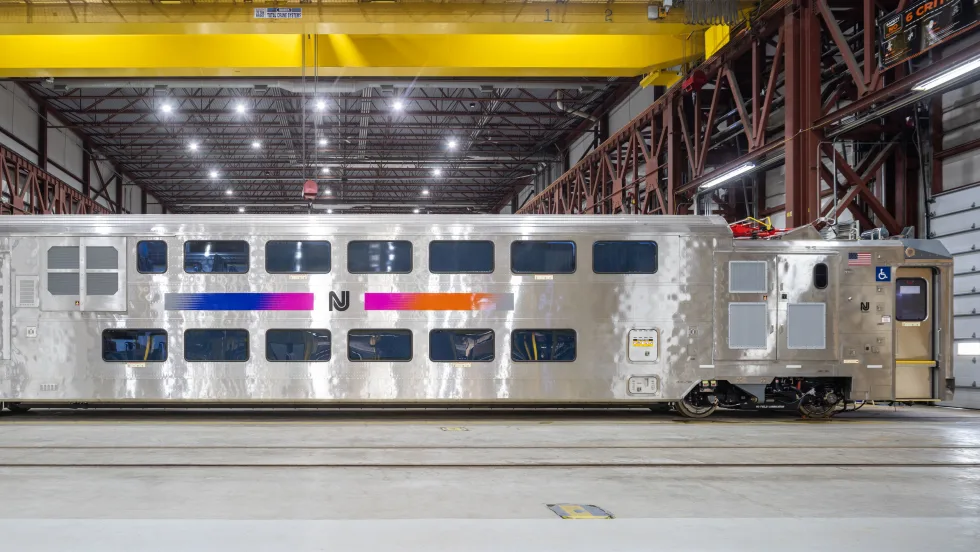
NJ TRANSIT Approves $65.6M for Hudson-Bergen Light Rail Improvements
The funding marks the first phase of a planned $250 million investment over five years to modernize stations, overhaul vehicles, and improve system reliability and passenger safety.

STraffic Expands North American Presence with Fare Collection Technology
John Moon, Associate Director, Product Strategy at STraffic, discusses the company's growth in North America, its efforts to reduce fare evasion, and more.

Study: Denver RTD Generates $2.1 Billion in Annual Economic Activity
An economic impact study finds the agency supports approximately 17,500 jobs, delivers $1.6 billion in annual community and mobility benefits, and generates $2.42 in economic value for every dollar invested.