



N.Y. MTA brings back limited rail, subway service
Long Island Rail Road and Metro-North Railroad are back in operation in some areas. Thousands of MTA workers are still out across the entire 5,000 square mile service region inspecting and repairing the damage caused by Hurricane Sandy.

Gov. Andrew M. Cuomo announced that beginning Wednesday, both Long Island Rail Road and Metro-North Railroad will provide limited service on part of their respective networks.
The Governor also announced that beginning Thursday morning, there will be limited subway service on several routes, supplemented by a bus shuttle between Downtown Brooklyn and Midtown. There will be no subway service between 34th St. in Midtown and Downtown Brooklyn. Early Wednesday, local, limited-stop and express bus service began operating as close to a normal weekday schedule as possible. As was the case on Tuesday, bus service will operate on a fare-free basis on Wednesday. Access-A-Ride also began limited service, and is accepting reservations for travel after noon Thursday.
All of the bridges operated by MTA Bridges & Tunnels are open to traffic. The Hugh L. Carey and Queens Midtown Tunnels remain closed after suffering extensive flooding.
While both limited rail and subway service is being restored on a line by line and branch by branch basis, the work to restore full service on the commuter rail and subway network is ongoing. Thousands of MTA workers are still out across the entire 5,000 square mile MTA service region inspecting and repairing the damage caused the massively destructive storm of historic proportions.
Metro-North Railroad is working to regain electric power and clear debris from on the Hudson Line and east to New Haven on the New Haven Line. The Long Island Rail Road continues to remove debris and make repairs to its West Side Yard and clear flooding in two East River tunnels.
Both railroads spent the better part of Tuesday removing downed power lines and trees along the right of way, in addition to removing mud and other debris that washed up on to the tracks, including pleasure boats that washed ashore near the Ossining Station on the Hudson Line and the Island Park Station on the Long Beach branch.
Bridges and Tunnels suffered major damage with flooding of the Hugh L. Carey Tunnel from end to end and the Queens Midtown Tunnel also took on water. Damage is extremely heavy in downtown Manhattan where several subway lines converge. The South Ferry station was filled track to ceiling with water as were several of the subway tunnels. Water remediation work is continuing in several underwater tunnels.
It is still too early to say how long it will take to restore the system to full service. This is will be an exhaustive, time-consuming process with one goal: to restore safe and efficient service to 8.5 million daily MTA customers. It must be noted, however, that this process could have taken much longer had MTA not taken the pre-emptive measure of suspending all service to safeguard its equipment and prepare facilities to the best of its ability.
More Rail
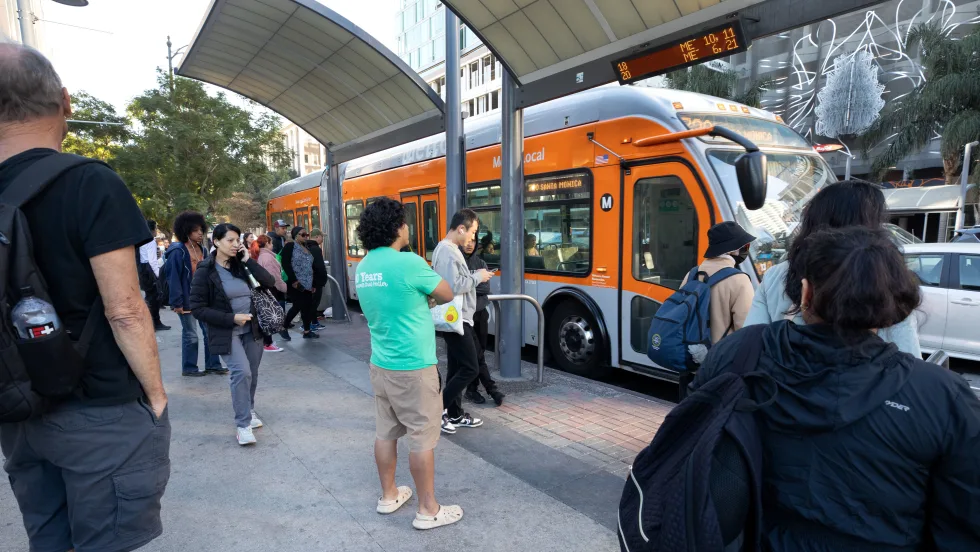
LA Metro September Ridership Climbs 3.9%, Led by Rail Growth
The agency recorded more than 27.2 million boardings, with rail ridership increasing 12.4% year over year and the D Line posting the largest gains.
Read More →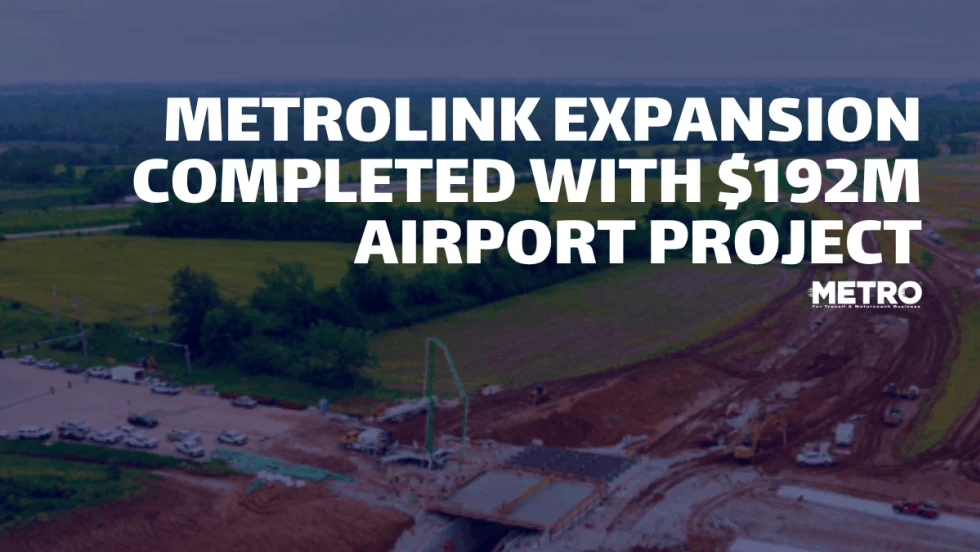
First Full MetroLink Rail Expansion Completed in 20 Years with $192M Airport Project
The project links two St. Louis-area airports by light rail while adding roadway and bike trail connections to improve regional access and mobility.
Read More →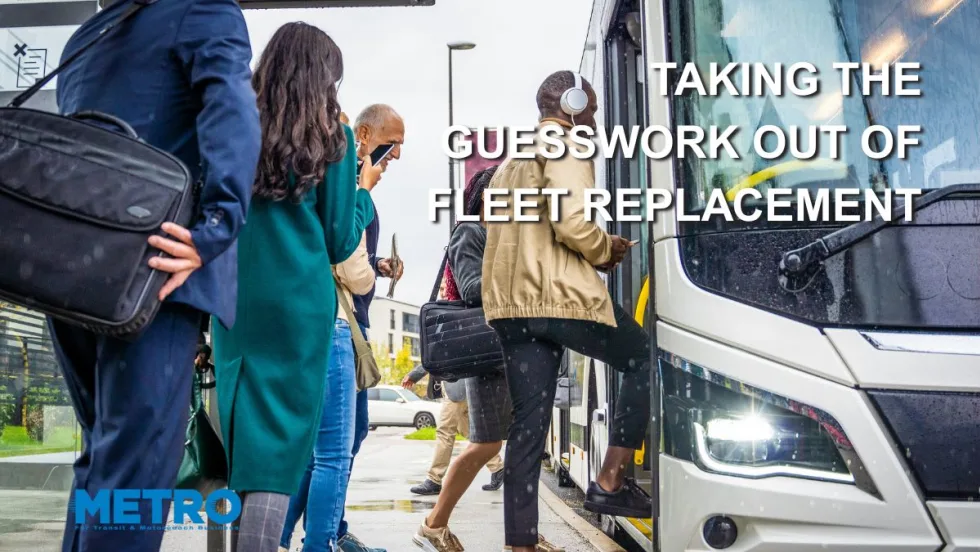
Utilimarc Launches SmartReplace to Optimize Fleet Replacement Decisions
AI-powered SmartReplace helps fleets prioritize vehicle replacements, model budget scenarios, and build more defensible long-term strategies.
Read More →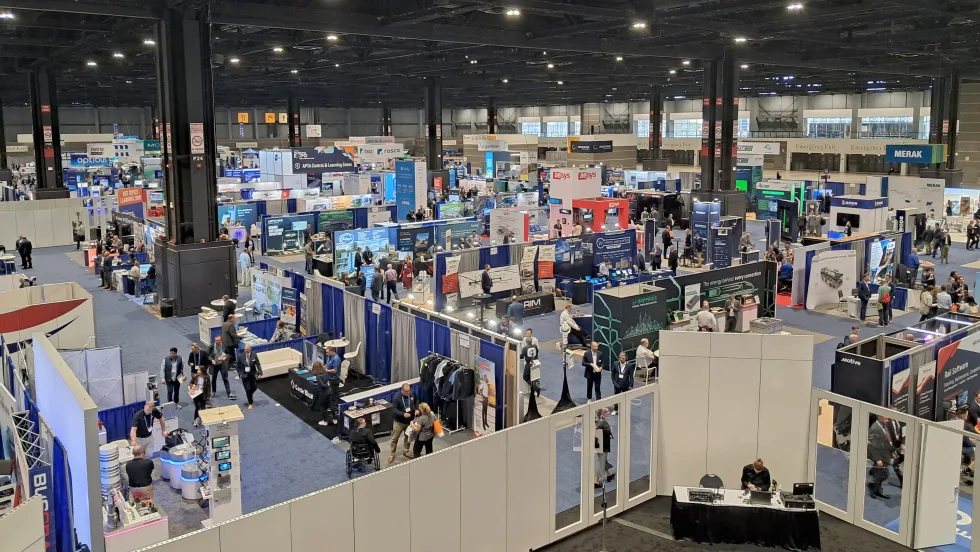
Scenes from APTA TRANSform & EXPO 2026
Transit leaders, manufacturers, and industry professionals gathered in Chicago to explore new technologies, share ideas, and discuss the future of public transportation.
Read More →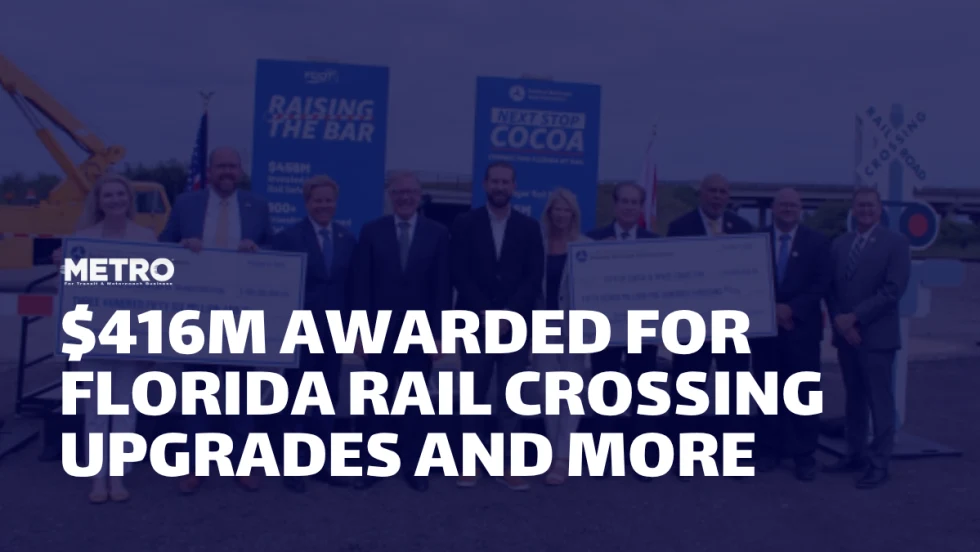
USDOT Awards $416 Million for Florida Rail Crossing Safety Upgrades, New Brightline Station
The projects aim to reduce risks for motorists and pedestrians at rail crossings while expanding passenger rail access along Florida’s Space Coast.
Read More →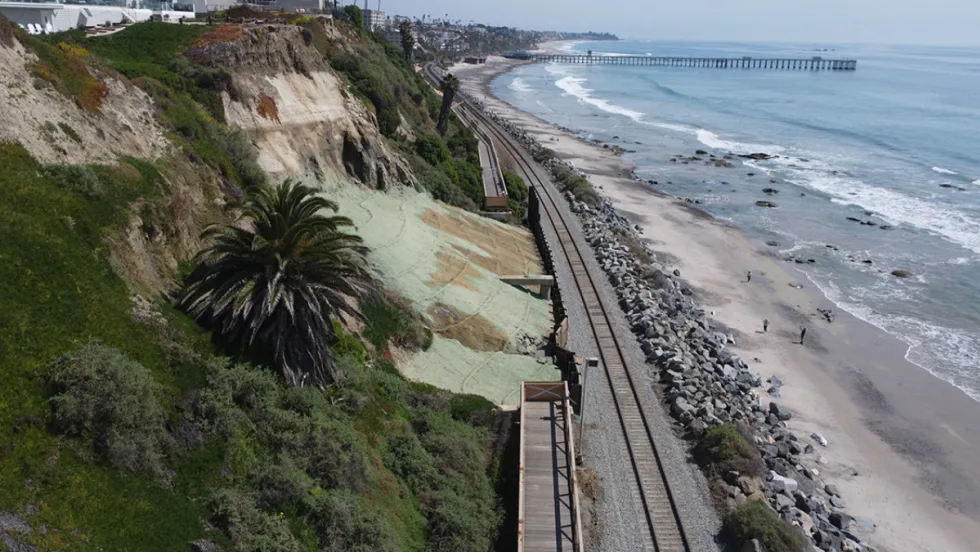
OCTA Declares Emergency to Protect Rail Corridor From Coastal Erosion
The California agency is accelerating shoreline protection and plans to place approximately 690,000 cubic yards of sand along the San Clemente coast to protect a key passenger and freight rail link.
Read More →
More Than a Summer Job: Building the Next Generation of Transit Talent
The Delaware River Port Authority and PATCO have transformed their internship program into a hands-on professional development experience that introduces students to the breadth of transportation careers — and creates a pipeline for future employees.
Read More →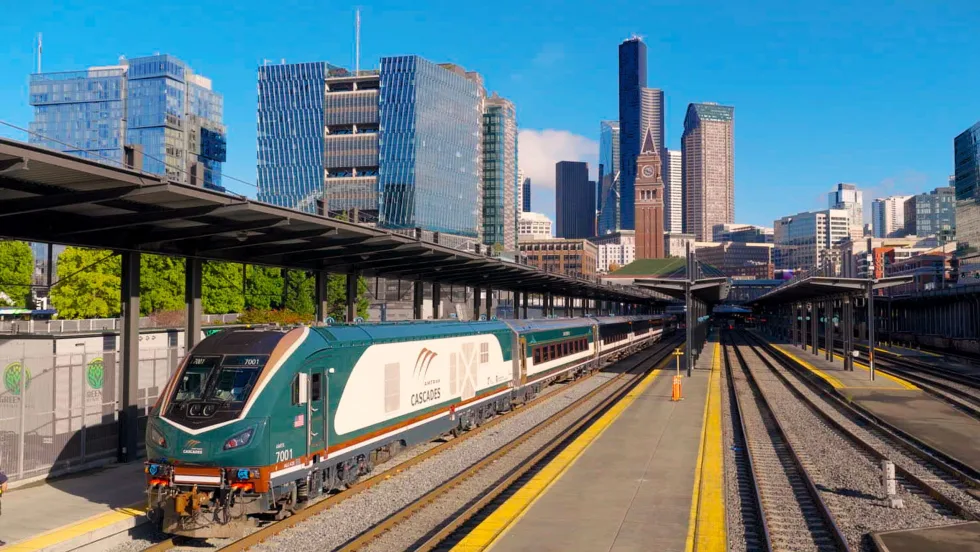
Airo Trains Make Their Amtrak Cascades Debut in the Pacific Northwest
Effective immediately, two cutting-edge Airo trainsets will join the Amtrak Cascades route, operating four daily trips between Vancouver, B.C., Seattle, Portland, and Eugene, Oregon, marking the first introduction of Airo trains into passenger service anywhere in the country.
Read More →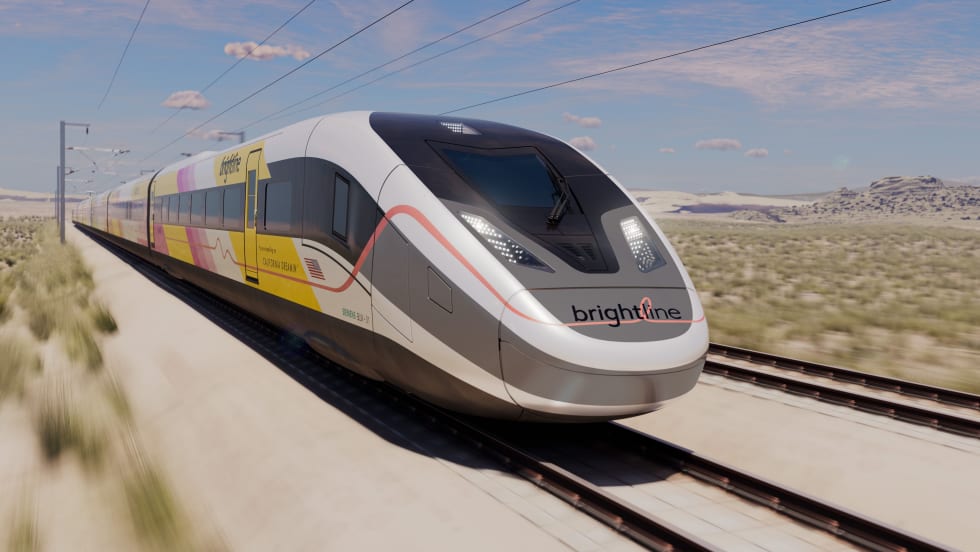
Florida's Brightline Announces Financial Restructuring
Brightline Florida says train operations will continue as normal as certain parent entities enter Chapter 11 and financial stakeholders provide $490 million in new long-term capital.
Read More →
ENC Lands MATA Contract and More in Biz Briefs
In this edition of Biz Briefs, we spotlight the latest developments shaping the future of mobility.
Read More →