



Salem, Ore.-based medical transport goes propane
Willamette Valley Transport serves patients who need wheelchair and non-emergency stretcher transportation, utilizing specially equipped vehicles outfitted with wheelchair lifts and wheelchair securement stations inside.

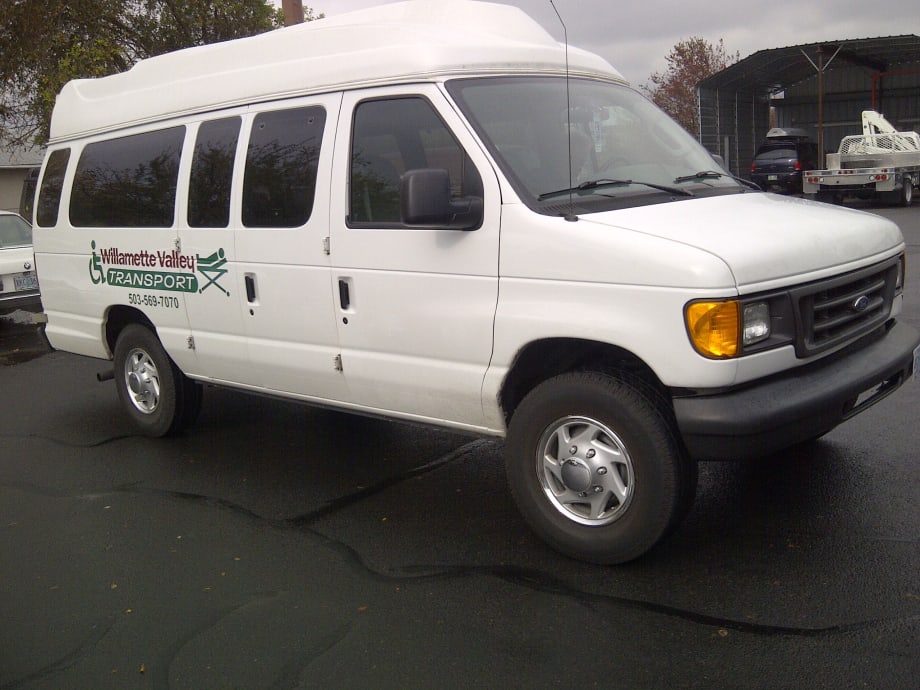
Salem, Ore.-based medical transit service Willamette Valley Transport (WVT) expects to save around $18,000 annually on fuel costs and significantly reduce greenhouse gas emissions with five new propane autogas vans. Blue Star Gas is helping the Pacific Northwest fleet switch to autogas through a complete program of vehicle conversions, clean fueling, training and ongoing support.
WVT vans travel between 25,000 miles to 30,000 miles each year, serving Marion, Polk and Yamhill counties in Oregon. Owner Timothy McClain is in the process of updating his fleet with newer vehicles, converting each new model to propane autogas as he purchases them. He plans to switch a total of 10 vans to autogas and has converted two Ford E-250s and three Chevy Express 3500s.
The fleet will also recoup 50-cents-per-gallon thanks to the recently extended federal alternative fuel tax credit, which will save them an additional $8,400 for five propane-powered vehicles. Once all 10 vehicles are up and running on autogas, WVT will save an estimated $36,000 annually on fuel costs and an extra $16,800 with the tax credit.
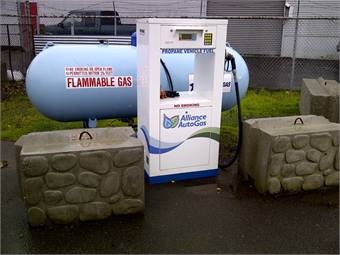
As part of Alliance AutoGas, Blue Star Gas provides West Coast fleets from California to Seattle with the only complete program to switch to propane autogas. In addition to coordinating vehicle conversions and supplying fuel for WVT, Blue Star Gas installed an on-site autogas fuel station at their home base for convenient refueling. The company just opened a public autogas fueling location adjacent to the Portland airport to provide fuel for WVT’s northern fleet, as well as other fleets in the area, and WVT vans can also refuel at public Blue Star Gas stations in Salem and McMinnville.
WVT serves patients who need wheelchair and non-emergency stretcher transportation, utilizing specially equipped vehicles outfitted with wheelchair lifts and wheelchair securement stations inside.
Drivers can help patients in and out of their homes for doctors’ office visits, transport them home from the hospital, check patients into their medical appointments, and schedule a return ride or remain with a patient at their appointment when requested.
More Paratransit

Driving Smarter Paratransit
John Hanlon shares how AlphaRoute is leveraging AI-powered technology to help paratransit providers optimize operations, support frontline staff, and enhance the rider experience.
Read More →
People Movement: Dan Dipert Coaches Adds Third-Generation Leader, Keolis Names New Valley Metro VP/GM, and More
In this edition, we also cover recent appointments and announcements at the Wabtec, SilverRide, HNTB, and more, showcasing the individuals helping to shape the future of transportation.
Read More →
Biz Briefs: RIPTA Unveils New Frontrunners, Clevland RTA Adds New Siemens, and More
In METRO's latest installment, we take a look at recent news from Siemens, Prevost, Dodge, and more partnerships making headlines across the transportation sector.
Read More →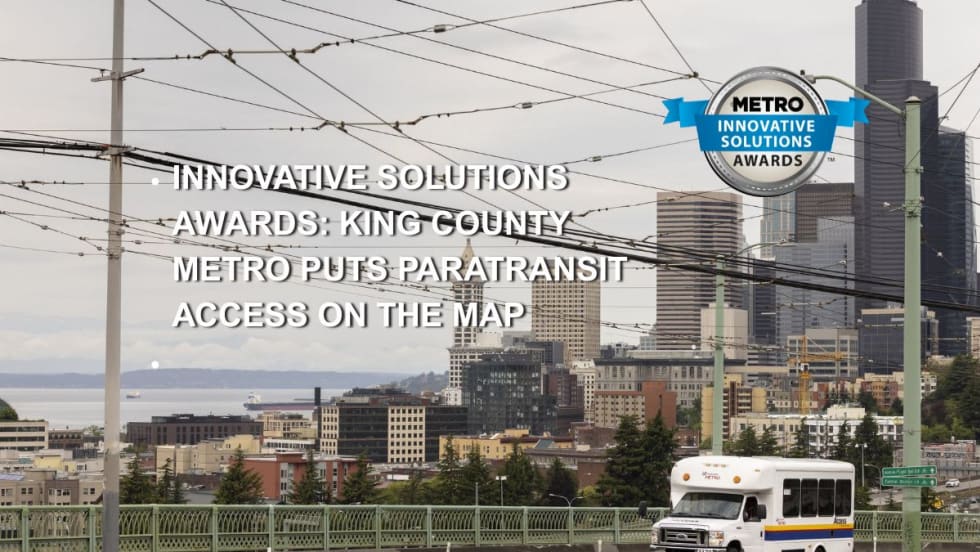
King County Metro Makes ADA Paratransit Easier to Navigate
METRO's Innovative Solutions Award winner replaces complex service-area descriptions with an accessible, interactive map that puts paratransit information directly in customers’ hands.
Read More →
Jacksonville’s NAVI Project Charts a New Course for Autonomous Public Transportation
Through its NAVI program, JTA is showing how autonomous vehicles, intelligent infrastructure, and coordinated operations can work together to deliver everyday public transportation.
Read More →
Driving Smarter Paratransit
John Hanlon shares how AlphaRoute is leveraging AI-powered technology to help paratransit providers optimize operations, support frontline staff, and enhance the rider experience.
Read More →
METRO Magazine Announces 2026 Innovative Solutions Awards Winners
Projects Recognized for Advancing Mobility Through Technology, Accessibility, Workforce Innovation, and Operational Excellence
Read More →
Biz Briefs: STV teams with Amtrak, Motorcoach Operators Boost Fleet and Land Contracts, and More
From manufacturers and suppliers to transit agencies and motorcoach operators, these updates offer a snapshot of the projects, partnerships and business moves driving the industry forward.
Read More →
Biz Briefs: Masabi Teams with St. Louis Metro and More
In METRO's latest installment, we take a look at recent news from Transdev, Hitachi, and more partnerships making headlines across the transportation sector.
Read More →
New York MTA Leverages Zoning Program to Advance Station Accessibility
Accessibility enhancements at Nevins St Station will be financed through a development agreement tied to the MTA's Zoning for Accessibility initiative.
Read More →