



Up to 1,400 passengers rescued from GO Transit train
The train was stuck for several hours before the rescue efforts began.

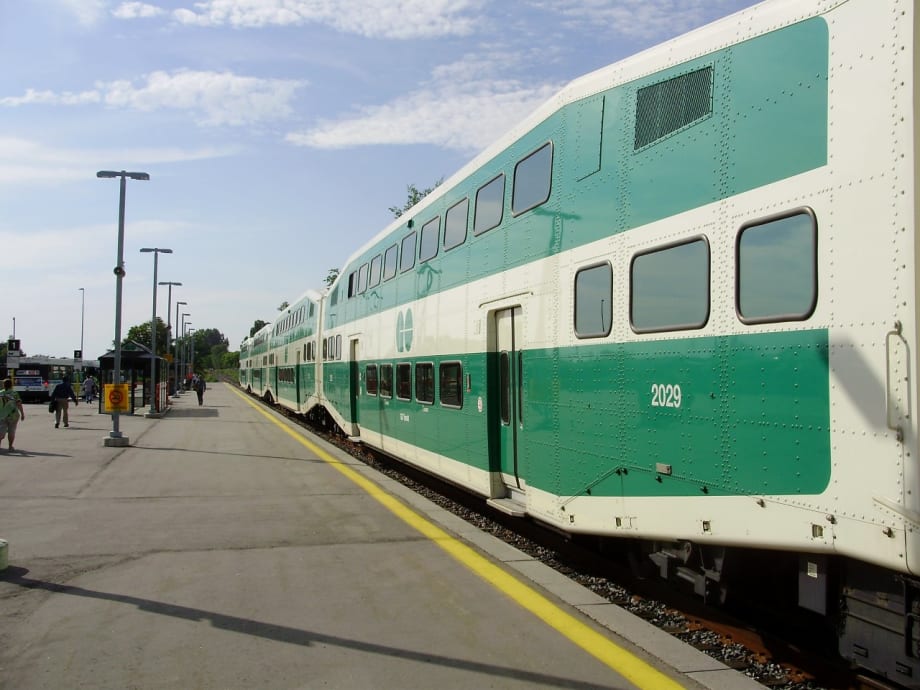
Wikimedia Commons photo by GTD Aquitaine
Wikimedia Commons photo by GTD Aquitaine
TORONTO — Following torrential rains that caused flooding in the area, emergency responders rescued up to 1,400 passengers who were stranded on a GO Train that was stuck in high waters, according to Global News. For the full story, click here.
The train was stuck for several hours before the rescue efforts began, with several news agencies, including the National Post, documenting the rescue efforts. For the full story, click here.
RELATED: To view video of the rescue efforts, click here.
The following is a statement released by Metrolinx President/CEO Bruce McCuaig:
"Last night, Toronto experienced a severe and sudden rain storm during the afternoon and evening. The record-breaking amount of rainfall caused serious power outages and flooding throughout the region, including the tracks on the Richmond Hill line just north of Union Station. Passengers were stranded on a train due to quickly rising water levels. I appreciate how patient and understanding customers were in spite of their ordeal and am very pleased to report that there were no reports of injuries.
We sincerely regret that our customers had this unfortunate experience and will be taking steps to reimburse them for damaged property.
I am also very grateful to all of the GO staff, the emergency responders, the TTC and Office of Emergency Management who worked throughout the night to get people home safely and resume service. Their calm and professional response to this unprecedented weather event is much appreciated.
Despite last night's weather, GO Transit is operating service on all seven of our train lines and buses across our system. However, we are experiencing some train delays and cancellations and the commute remains difficult as the city continues with the cleanup. Crews have been working non-stop to repair areas where flooding has caused damage to track and infrastructure. I would also like to extend my thanks to the crews who have been working to undertake repairs as quickly as possible.
We are encouraging customers to stay home today or to consider seeking alternative travel arrangements, if at all possible. If you must travel, please be sure to check on service updates at gotransit.com before you leave home.
Our goal is to get our customers safely to their destination and accommodate as many passengers as we can.
Once again, I appreciate everyone's patience and hard work."
More Rail

New York MTA Advances Final Contract for Second Avenue Subway Expansion
Contract Four is the largest in the Second Avenue Subway Phase 2 project and includes construction of station infrastructure, tracks, and signals for the subway expansion, MTA officials said. Work on Contract Four will begin in 2027.
Read More →
San Diego MTS Breaks Monthly Trolley Ridership Record
Agency officials said July’s ridership indicates MTS’s continued recovery from the pandemic.
Read More →
Report Examines NJ TRANSIT Reliability, Funding Challenges
The Garden State Initiative analysis examines the roles of Amtrak infrastructure, fleet management, and agency operations while recommending a more performance-based approach to improving reliability.
Read More →
Stadler, CapMetro Sign Long-Term Rail Fleet Support Agreement
Beginning in 2027, Stadler will provide on-site technical expertise, spare parts support, training, and obsolescence management to help extend the reliability and longevity of CapMetro’s GTW fleet.
Read More →
Biz Briefs: Alstom Lands Canadian Contract, LYT to Supply California TSP, and More
In METRO's latest installment, we take a look at recent news from Complete Coach Works, Beep, FlixBus, and more partnerships making headlines across the transportation sector.
Read More →
CATS Gold Line Marks 5 Years of Service, 2.8M Passenger Trips
With a six-mile expansion planned, the Charlotte streetcar is positioned to connect more neighborhoods and major transit hubs across the region.
Read More →
Why Simulating Pedestrian Movement Has Become Essential for Modern Rail Stations
Pedestrian microsimulation is helping rail planners identify bottlenecks, test station designs, and prepare complex transit hubs for growing passenger volumes.
Read More →
Amtrak Begins Major Construction at New York’s Sunnyside Yard
The new maintenance facility will support Amtrak’s Airo trainsets while improving maintenance efficiency and turnaround times in New York.
Read More →
Chicago Leaders Unveil Plans for O’Hare Airport Express Train
The privately developed project would offer a 15-minute trip between downtown and O’Hare’s Terminal 2, with trains operating every 15 minutes on a dedicated track. The service would use battery-electric trains and three existing freight rail rights-of-way.
Read More →
OCTA Maps Out 30-Year Strategy to Protect Coastal Rail Corridor
The draft feasibility report identifies strategies to protect the coastal rail line for decades as the agency continues near-term stabilization and sand placement efforts.
Read More →