



FTA announces $13.6M in fuel-cell bus grants
Eight projects were selected to receive a share of FY2012 funds through the National Fuel Cell Bus Program, which has provided nearly $90 million since 2006 to speed the development of fuel-cell technology

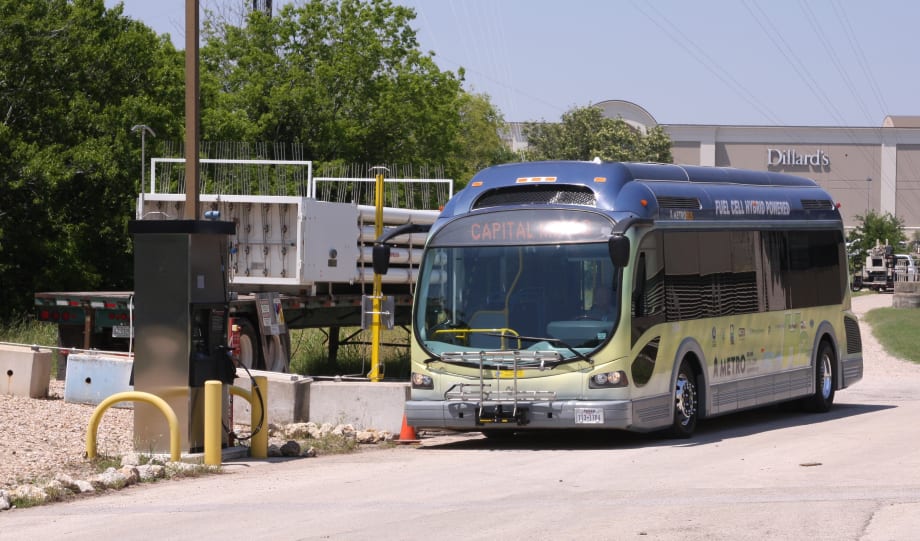

The Federal Transit Administration (FTA) announced $13.6 million in federal funding to advance the commercialization of American-made fuel-cell buses for the transit industry.
Eight projects were selected to receive a share of FY2012 funds through FTA’s National Fuel Cell Bus Program, which has provided nearly $90 million since 2006 to speed the development of fuel-cell technology by tapping American innovation and bringing more opportunities to American manufacturers.
Federal Transit Administrator Peter Rogoff made the announcement at BAE Systems in Endicott, N.Y., which makes hybrid propulsion systems. A current funding recipient under FTA’s National Fuel Cell Bus Program, BAE is helping to build next-generation fuel-cell buses for the Sunline Transit Agency in Thousand Palms, Calif.; the Greater Cleveland Regional Transit Authority; and Tompkins Consolidated Transit Authority in Ithaca, N.Y.
“Federal investments in fuel-cell technology and other green energy sources have been a tremendous catalyst for America’s innovators as they find new ways to power public transportation for the future,” said Rogoff. “We’re proud of our role in supporting cutting-edge research that protects and creates good jobs here in upstate New York and around the nation.”
Funding for the projects will be managed by CALSTART and the Center for Transportation and the Environment, two non-profit organizations that are responsible for developing and managing projects as part of the National Fuel Cell Bus Program.
From FY2006 through FY2012, FTA’s National Fuel Cell Bus Program has been a leader for the transit industry in supporting innovative research and demonstration and deployment projects that are helping to reduce the cost of fuel cells for transit use, creating American jobs and manufacturing opportunities, and benefitting other types of clean-powered buses such as hybrid and battery-powered buses that use the same electric drive technology.
The National Fuel Cell Bus Program also helps project partners meet FTA’s Buy America requirements.
Later this year, FTA expects to announce funding for a new Low or No Emission Vehicle Deployment grant program to support the commercialization of a variety of clean fuel technologies, including fuel-cell and battery-powered buses. The program, authorized under the Moving Ahead for Progress in the 21st Century Act, will continue to move FTA’s energy research goals forward.
RELATED: "Green Report: Hydrogen Fuel Cells Gather Steam."
More Management
New Tricks for Old Bureaucracies: Joshua Schank on Making Transit Innovation Stick
Former LA Metro Chief Innovation Officer Joshua Schank discusses why good ideas aren't enough, how transit agencies can overcome resistance to change, and why today's challenges demand more innovation.
Read More →
Washington's Community Transit Sets Six-Year Roadmap for Growth, Expansion
Approved TDP targets more bus service, new mobility options, Swift BRT expansion, and a potential Everett Transit annexation.
Read More →
OKC Streetcar Makes Zero-Fare Service Permanent
Ridership increased an average of 71% compared with the same period a year earlier during the fare-free pilot.
Read More →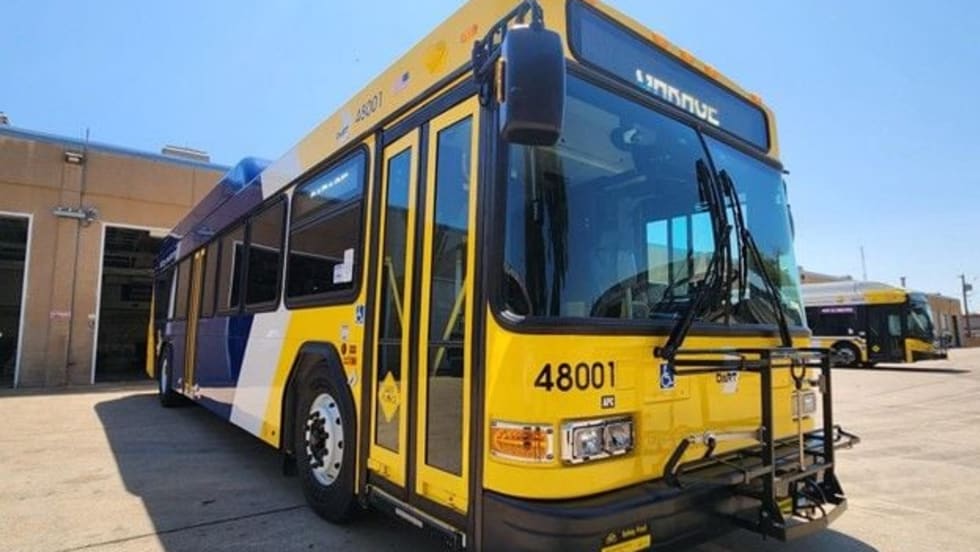
DART Customer Satisfaction Reaches Six-Year High
Overall satisfaction rose to 74.9%, while the agency’s Net Promoter Score reached a record 33.7.
Read More →
House Surface Transportation Bill Advances as Transit Funding Debate Intensifies
A bipartisan transportation package moving through Congress could redefine how the U.S. funds highways, transit, and motorcoach travel, while igniting new fights over electrification, regulation, and federal priorities.
Read More →
How Data, Strategy, and Community Engagement Are Reshaping Transit
In this edition of METROspectives, strada360 CEO Steve Lassey discusses how transit agencies can better align planning with operations, leverage data to improve decision-making, and build public trust as they prepare for the future of mobility.
Read More →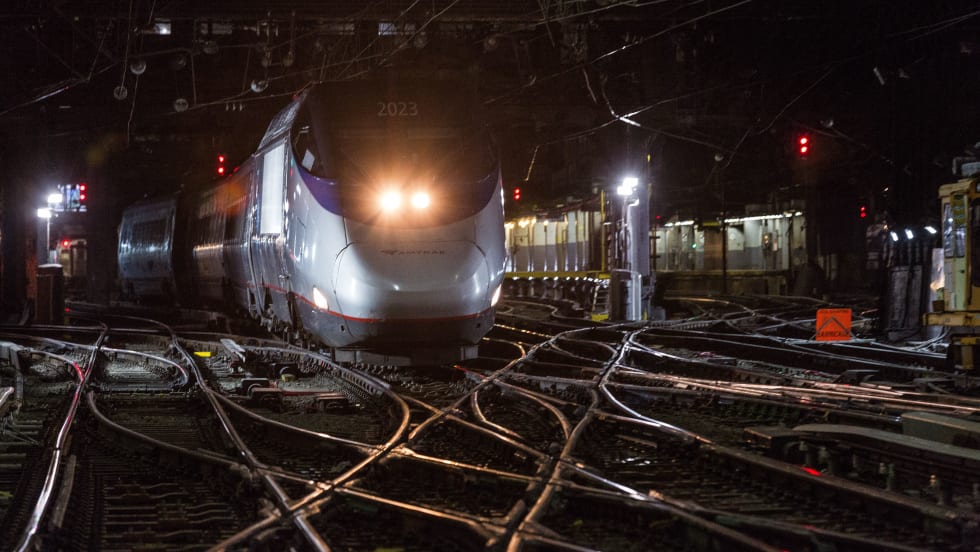
Amtrak Board Advances Plan to Restructure Organization, Seeks Public Input
The proposal, developed by Amtrak management and approved by the board for further consideration, is intended to modernize the organization's structure while improving accountability, operational efficiency, and customer service.
Read More →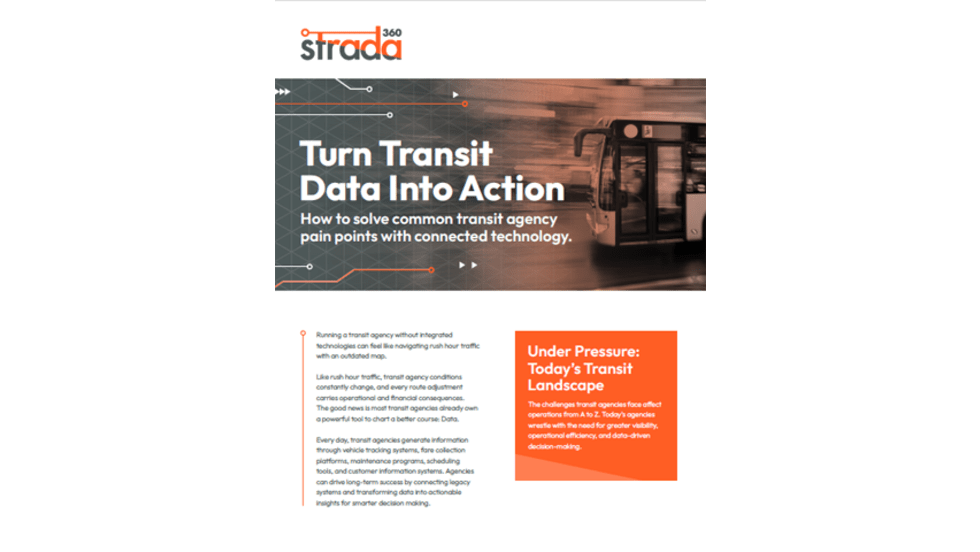
Turn Transit Data Into Action
Discover how leading agencies are using connected technology to gain real-time visibility across operations, improve service reliability, and reduce disruptions.
Read More →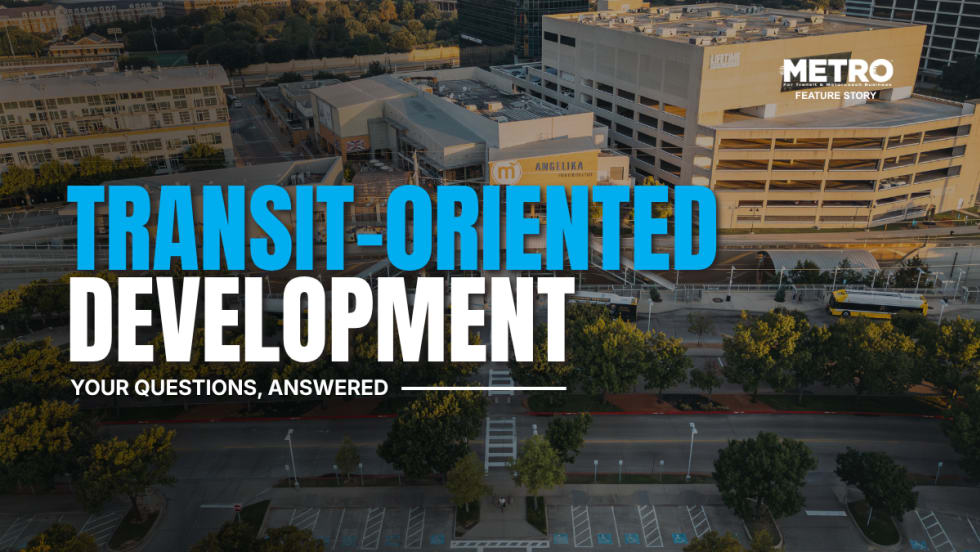
What Transit-Oriented Development Means for the Future of Public Transportation
Once viewed primarily as transit operators, agencies are now leveraging land, partnerships, and long-term planning to boost ridership, expand housing, and strengthen communities.
Read More →
USDOT Announces $22 Million for Transit Innovation, Updates High-Speed Rail Rules
New federal transit funding will support safety, accessibility, and technology projects as updated rail regulations establish new noise standards for high-speed trains.
Read More →