



N.Y. parks subway cars underground to avoid frigid temps
Deep snow, frigid temperatures and icy buildup on the third rails are liable to trap trains inside the yards, rendering them useless when needed and also making it far more difficult to clear the yards of snow.

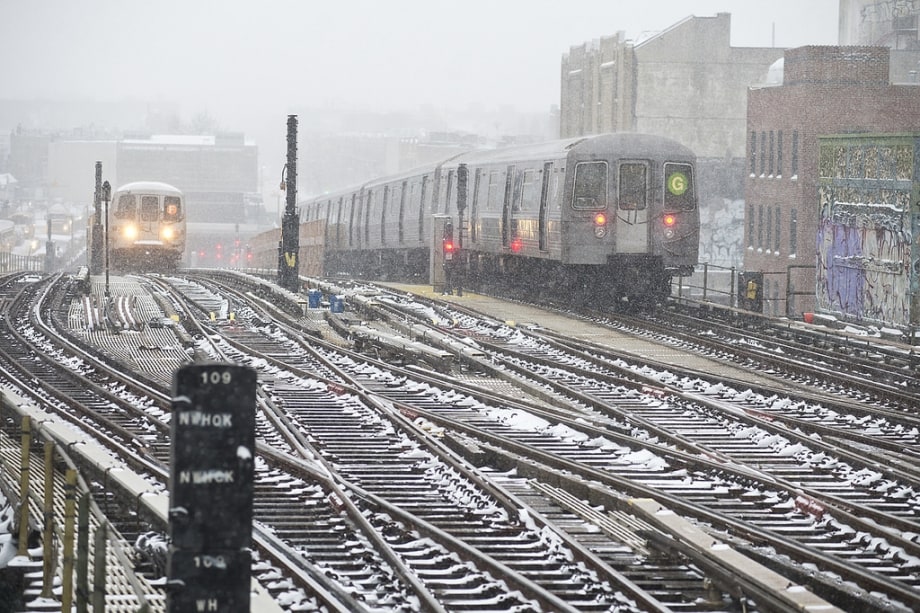
New York City is not a place known for an over-abundance of free parking spaces and when the weather turns especially nasty even MTA New York City Transit’s subway fleet must be moved to alternate spots for overnight storage.
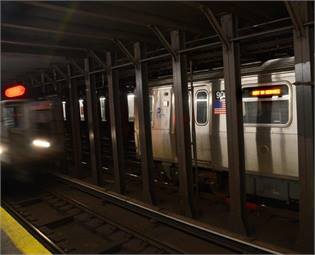
MTAPhotos/ Marc Hermann
Normally, subway cars not needed for overnight service are parked in one of the system’s 14 outdoor subway yards, like the 207th Street Yard in Manhattan’s Inwood section or Brooklyn’s Coney Island Yard. But extremely cold, snowy or icy weather requires trains be parked underground along the express tracks of lines around the system. Deep snow, frigid temperatures and icy buildup on the third rails are liable to trap trains inside the yards, rendering them useless when needed and also making it far more difficult to clear the yards of snow.
New York City Transit has a cold-weather plan developed to protect the system against harsh weather and trains are parked underground when:
• Temperature is 10ºF or less, or
• Freezing rain and/or icing, or
• Snow accumulation of 5-feet or more is forecast.
While customers benefit by having warm, comfortable trains ready for the next rush hour, the other side of the coin is the requirement that express service end early.
“We are one of only two subway systems in the world with express tracks and this gives us a tremendous amount of flexibility, including the ability to store hundreds of cars in areas where they can be safe from the weather and easily accessible when needed for the next rush period,” said Assistant Chief Transportation Officer Pamela Elsey.
The first winter storm of 2014 and the following days of frigid weather required the activation of the cold weather plan. When express service was halted and the lay-up process begun, trains were pulled onto assigned locations and then parked one behind the other. Train operators were able to walk through the trains and then out at the nearest station. In the morning, that process is reversed. Train operators clear the trains one by one and then move them into their terminals to begin their morning runs.
The underground train parking system has been in place for decades and in the past, it was especially important because the older trains had air-operated systems that were prone to freezing.
Today’s trains are a lot more dependable, but they still need a little tender loving care and a warm, dry place to spend the night.
More Management

METRO Opens Submissions for 2026 Motorcoach Awards
Nominations are now being accepted for METRO Magazine’s Operator of the Year and Innovative Operator of the Year awards.
Read More →
New York MTA Advances Final Contract for Second Avenue Subway Expansion
Contract Four is the largest in the Second Avenue Subway Phase 2 project and includes construction of station infrastructure, tracks, and signals for the subway expansion, MTA officials said. Work on Contract Four will begin in 2027.
Read More →
Transit Agencies Highlight Safety Gains at National Summit
Leaders from 15 major transit systems shared crime-reduction results and safety initiatives while discussing the role of continued federal support.
Read More →

NITA Names New Leadership, Expands Reduced-Fare Program at First Board Meeting
The new regional transit authority appointed its first board chair and interim executive director while extending reduced fares across CTA, Metra, and Pace for eligible riders.
Read More →
Beyond the Checklist: A Structured Approach to Transit Maintenance
Reliability-Centered Maintenance helps transit agencies move beyond routine checklists to focus limited resources on the assets and failures that have the greatest impact on safety, reliability, and service.
Read More →
APTA 2026 Nominating Committee Selects Leadership Slate, Names Chair and Vice Chair Nominees
Leadership changes will help shape the association’s priorities and its representation of the transportation industry during the 2026–2027 term.
Read More →
DART Launches Major Security, Fare Enforcement Initiative
The 90-day demonstration will deploy coordinated security teams at five light rail stations while testing controlled access and gathering data to guide future investments.
Read More →
Advancing Fare Collection Through Technology and Innovation
Learn about delivering 1300 gates at 91 stations while managing fare evasion. Explore the large scale deployment, solution customization and real-world results that affect the region. Prepare for deployment in your region now.
Read More →
Game Day in Motion: Moving Millions During the 2026 World Cup
Between packed transit stations and team motorcoaches, see how agencies and operators across North America tackled the transportation demands of the 2026 FIFA World Cup.
Read More →
Surface Transportation Extension Averts Shutdown, Leaves Transit Funding Gap
The stopgap keeps federal transportation programs moving, but missing advance funding could complicate the transit and rail projects agencies are planning next.
Read More →