



30-cent surcharge to fund NYC accessible taxis
Fifty percent of all yellow cabs to be wheelchair accessible by 2020, expanding the largest accessible taxi fleet in the nation.


Courtesy NYC Taxi and Limousine Commission
New proposed rules will significantly expand the number of accessible cabs on New York City streets, the New York City Taxi and Limousine Commission (TLC) announced today. By 2020, half of all yellow taxis — 7,500 total — will be wheelchair accessible.
The transformation will be funded through a 30-cent per-ride Taxi Improvement Surcharge integrated into the yellow medallion taxicab fare as of January 1, 2015.
RELATED:NYC launches accessible taxi dispatching service
The new wheelchair accessible cabs will begin to join the fleet starting in January 2016, joining the existing 631 accessible medallions. The commitment represents the next step in satisfying the terms of a settlement with disability advocates to ensure greater access and equity for New Yorkers with disabilities, according to a TLC statement.
“We are turning a corner here. New Yorkers with disabilities have fought for years to secure basic fairness in transportation. With the concrete rules and plans we are putting in place, we’re finally making an accessible taxi fleet a reality. This is a major step forward,” said Mayor Bill de Blasio.
The rules will be the subject of a public hearing and vote on April 30 at 10 a.m., and if approved by the TLC’s board of commissioners, would be officially adopted the following month. The TLC is encouraging all New Yorkers to contribute to the process. The hearing and vote will be available for viewing via LiveStream.
The rules call for taxi fleets to phase-in wheelchair accessible taxicabs through their normal replacement cycle, starting on January 1, 2016, and continuing until each “minifleet” (pairings of two taxi medallions) is 50% accessible.
For “Individual” medallions, owned in single units, lotteries will be held to establish which owners must bring accessible vehicles into service. Taxi operators obligated to bring accessible taxis into service as part of this program will be eligible for grants to subsidize the cost of taxi conversion, and additional annual grants dedicated to higher maintenance costs associated with accessible vehicles.
A driver training component of the proposed rules package provides that all new, incoming taxi drivers who apply for their “hack” license after June 1, 2014 must receive wheelchair passenger assistance training, while all taxi drivers must receive training by the time of their first license renewal following January 1, 2016.
More Paratransit

King County Metro Makes ADA Paratransit Easier to Navigate
METRO's Innovative Solutions Award winner replaces complex service-area descriptions with an accessible, interactive map that puts paratransit information directly in customers’ hands.
Read More →
Jacksonville’s NAVI Project Charts a New Course for Autonomous Public Transportation
Through its NAVI program, JTA is showing how autonomous vehicles, intelligent infrastructure, and coordinated operations can work together to deliver everyday public transportation.
Read More →
Driving Smarter Paratransit
John Hanlon shares how AlphaRoute is leveraging AI-powered technology to help paratransit providers optimize operations, support frontline staff, and enhance the rider experience.
Read More →
METRO Magazine Announces 2026 Innovative Solutions Awards Winners
Projects Recognized for Advancing Mobility Through Technology, Accessibility, Workforce Innovation, and Operational Excellence
Read More →
Biz Briefs: STV teams with Amtrak, Motorcoach Operators Boost Fleet and Land Contracts, and More
From manufacturers and suppliers to transit agencies and motorcoach operators, these updates offer a snapshot of the projects, partnerships and business moves driving the industry forward.
Read More →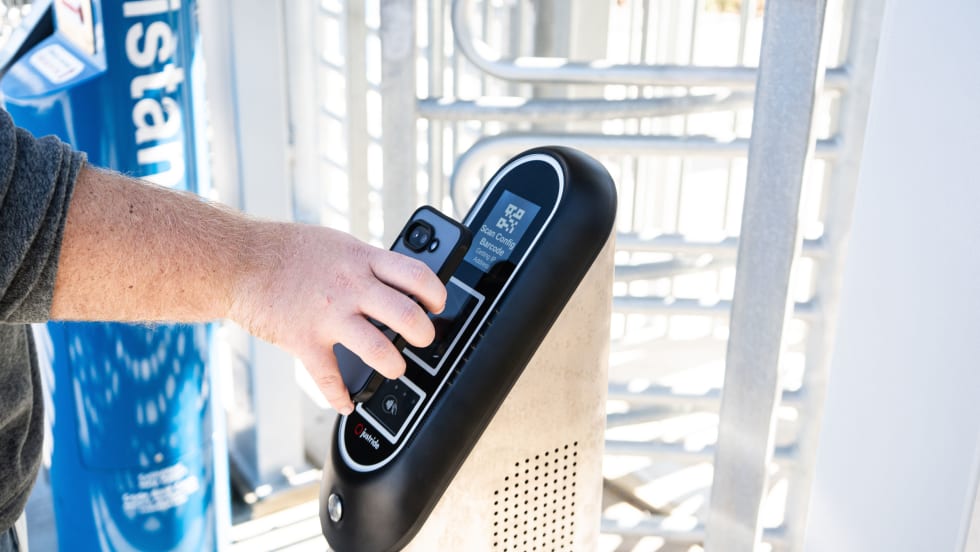
Biz Briefs: Masabi Teams with St. Louis Metro and More
In METRO's latest installment, we take a look at recent news from Transdev, Hitachi, and more partnerships making headlines across the transportation sector.
Read More →
New York MTA Leverages Zoning Program to Advance Station Accessibility
Accessibility enhancements at Nevins St Station will be financed through a development agreement tied to the MTA's Zoning for Accessibility initiative.
Read More →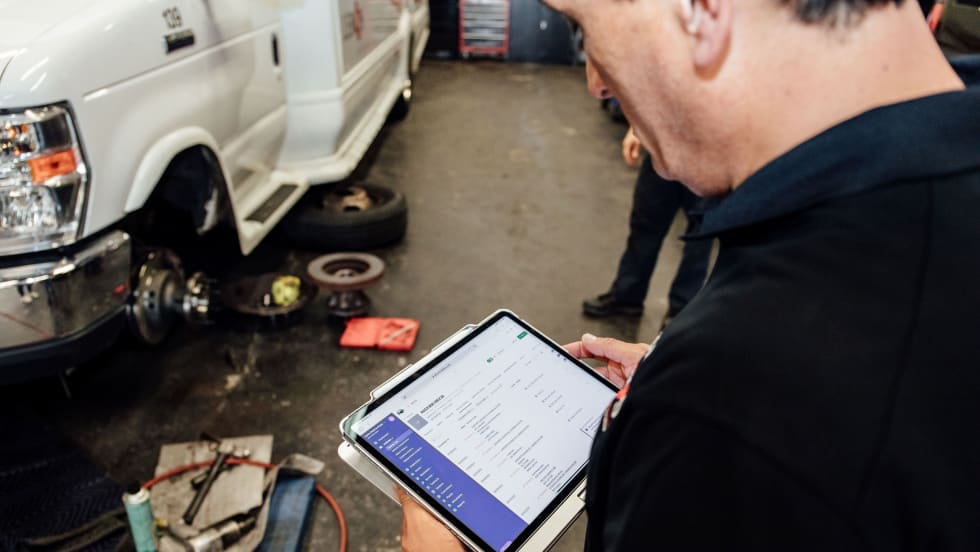
Reinventing Fleet Maintenance with Real-time Visibility and AI
Transit leaders need to know what needs fixing, where to look, who is responsible, when work is completed, and what it costs without having to chase information across disconnected systems.
Read More →
SamTrans Sets Priorities for Potential Connect Bay Area Revenue
The board-approved framework allocates future funding to maintaining service, rider improvements, equity initiatives, and infrastructure repairs.
Read More →
Chicago's NITA Act Moves Into Next Phase as Service Improvements Begin
Rider-focused improvements will begin rolling out across the system immediately as CTA, Metra, and Pace increase service this summer in the six-county region.
Read More →