



Tight transit budgets force Metra to rehab railcars
Increased sales tax receipts could be the answer that transit agencies, such as Metra have been looking for.

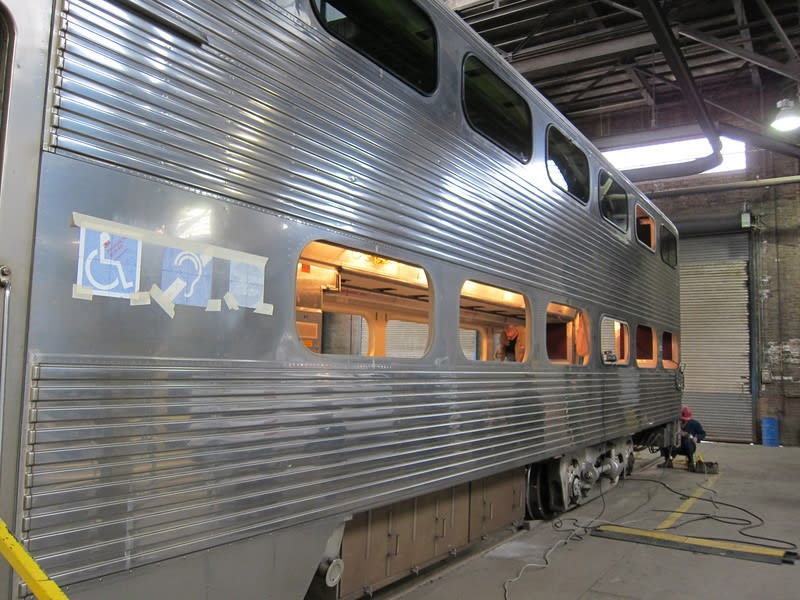
Photo courtesy Metra
Increased sales tax receipts could be the answer that transit agencies, such as Chicago's Metra have been looking for. The Regional Transportation Authority officials said in late August they expect 4% growth in sales tax revenues, which means a larger 2015 transit budget, according to a Chicago Sun-Times article.
With no agreements finalized yet, Metra is still spending its budget conservatively. The commuter rail division recently started a rehabilitation program for 176 of its cars. The passenger cars are being refurbished in-house, by Metra workers.
The Metra Rehab Facility just refurbished car number 101 and plans to finish the last car by late next year. Although the cars are not brand new, the agency is saving more than $2 million per car by rehabbing rather than starting fresh. Regular rehabs on the cars will also prolong the lifespan.
“The average life of a railcar is 25 years, but by rehabbing the cars every 14 to 16 years, we can expect a 42-year-lifespan,” said Don Orseno CEO of Metra.
The rehabilitation program isn’t only saving Metra money, but also making upgrades and adding amenities like ADA lifts, electrical outlets, new toilets, and new flooring and seating.
“From a passenger perspective, you wouldn’t be able to tell if the car was refurbished or brand new,” said Jim Derwinski, acting chief mechanical officer for Metra.
The Metra Amerail Rehab Facility has 60 workers who are divided up between four stations. The beginning of the process starts with stripping down the old car down to the bare bones of its frame. The final stage is where the newly remodeled car is tested. The assembly line of electricians, sheet metal workers and carmen have the process down to 36 days.
The Federal Transit Administration is funding the Amerail Rehabilitation Program. The total budget is $115 million. The cars are being rehabilitated at the 49th St. Car Shop along the Rock Island Line.
Although Metra has been saving money, there are still financial woes in the industry.
“Every year it seems the funding is shrinking and the needs are growing,” said Orseno.
One of those needs comes from a federal mandate making Positive Train Control (PTC) a necessity. PTC is a safety enhancement that commuter and freight railroads need to implement by next December.
“Although it is a huge safety enhancement it is also costing huge dollars,” said Orseno. “It’s costing freight railroads around 10 billion and passenger railroads around three billion.”
Orseno has been with the Northeast Illinois commuter rail for more than 30 years. He began his career as a trainman for the Chicago Rock Island and Pacific Railroad Co.
More Rail
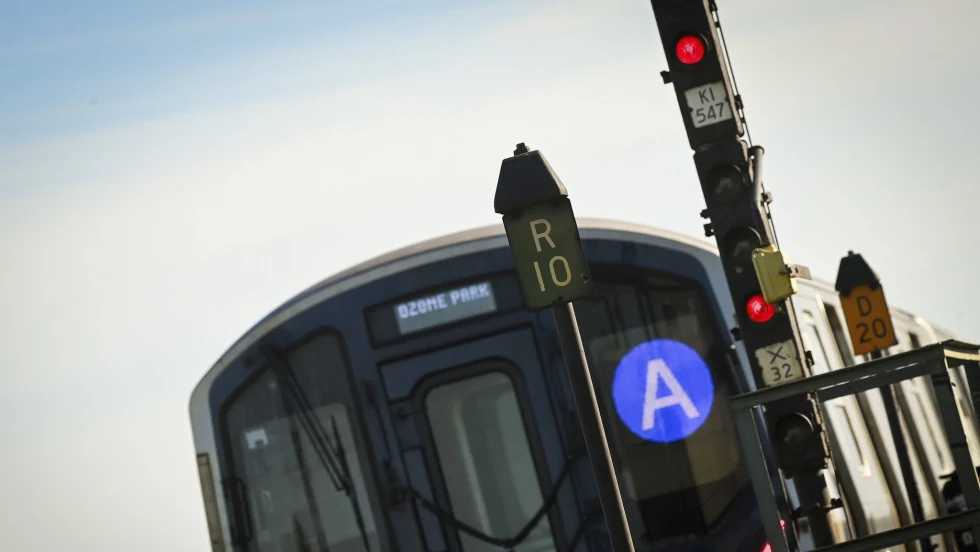
New York MTA Launches Historic $1.9B Signal, Track Modernization Project
Funded in part by congestion pricing revenue, the project will replace nearly century-old signals along the A and C lines in Brooklyn and Queens.
Read More →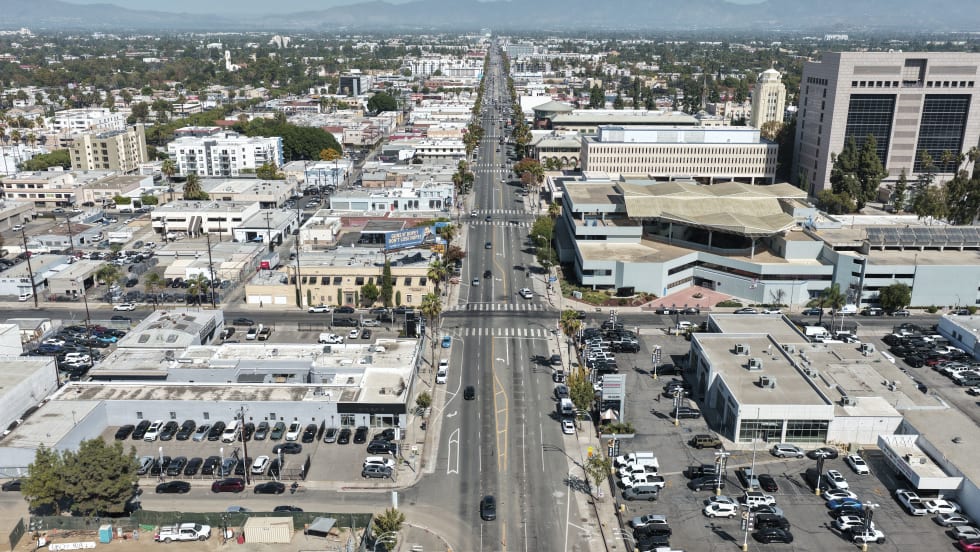
LA Metro Breaks Ground on East San Fernando Valley Light Rail Project
The 6.7-mile line will add 11 stations along Van Nuys Boulevard, expand access to jobs and regional transit connections, and support Metro’s broader efforts to improve mobility as rail ridership grows.
Read More →
CSA Group Releases Climate Resilience Standard for Transit, Passenger Rail
Developed with support from the Standards Council of Canada, CSA D700 guides assessing climate-related risks and planning adaptation measures for transit and passenger rail systems.
Read More →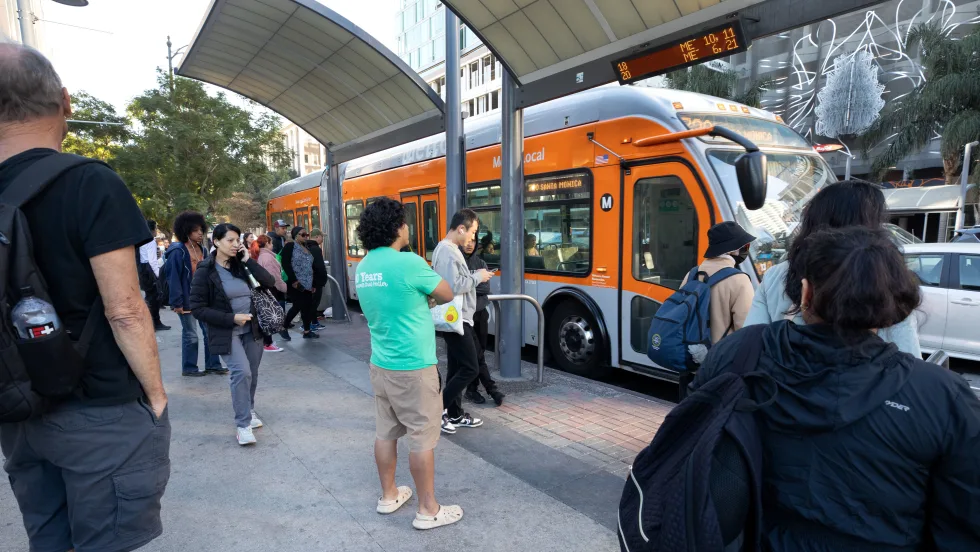
LA Metro September Ridership Climbs 3.9%, Led by Rail Growth
The agency recorded more than 27.2 million boardings, with rail ridership increasing 12.4% year over year and the D Line posting the largest gains.
Read More →
First Full MetroLink Rail Expansion Completed in 20 Years with $192M Airport Project
The project links two St. Louis-area airports by light rail while adding roadway and bike trail connections to improve regional access and mobility.
Read More →
Utilimarc Launches SmartReplace to Optimize Fleet Replacement Decisions
AI-powered SmartReplace helps fleets prioritize vehicle replacements, model budget scenarios, and build more defensible long-term strategies.
Read More →
Scenes from APTA TRANSform & EXPO 2026
Transit leaders, manufacturers, and industry professionals gathered in Chicago to explore new technologies, share ideas, and discuss the future of public transportation.
Read More →
USDOT Awards $416 Million for Florida Rail Crossing Safety Upgrades, New Brightline Station
The projects aim to reduce risks for motorists and pedestrians at rail crossings while expanding passenger rail access along Florida’s Space Coast.
Read More →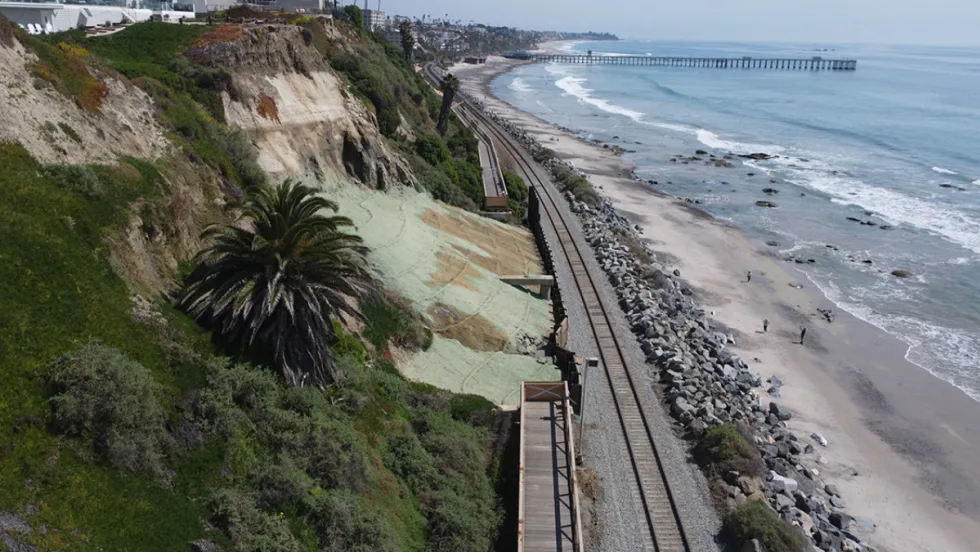
OCTA Declares Emergency to Protect Rail Corridor From Coastal Erosion
The California agency is accelerating shoreline protection and plans to place approximately 690,000 cubic yards of sand along the San Clemente coast to protect a key passenger and freight rail link.
Read More →
More Than a Summer Job: Building the Next Generation of Transit Talent
The Delaware River Port Authority and PATCO have transformed their internship program into a hands-on professional development experience that introduces students to the breadth of transportation careers — and creates a pipeline for future employees.
Read More →