



FRA releases Metra safety assessment findings
The assessment finds Metra to be generally compliant with federal safety regulations, but also directs the commuter railroad to take immediate steps to enhance its safety culture, which is an area of concern, and to better utilize safety technology.

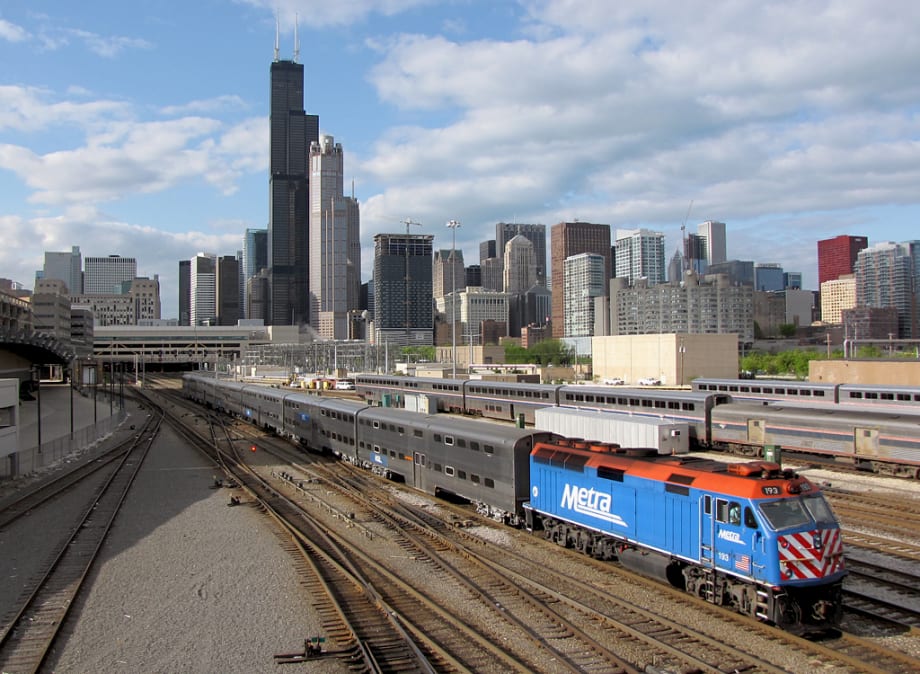
The Federal Railroad Administration (FRA) announced the findings and recommendations from its focused safety assessment of Chicago’s Metra.
The assessment finds Metra to be generally compliant with federal safety regulations, but also directs the commuter railroad to take immediate steps to enhance its safety culture, which is an area of concern, and to better utilize safety technology.
FRA identified and prioritized specific safety concerns and actions Metra should take to mitigate them:
Empower conductors to prioritize the safety of operations over collecting fares, on-time performance and customer service.
Ensure heightened crew interactions during higher risk operations.
Establish new procedures to strengthen the flow of information between operating lines and Metra headquarters.
Add technical skills training for managers.
Add safety measures and procedures that would provide a level of safety redundancy to protect crossover movements.
Implement a Confidential Close Call Reporting System (C3RS).
Immediately prioritize the acquisition, testing and installation of Positive Train Control systems that monitor and control train movements to provide increased safety.
FRA announced the launch of the safety assessment on June 6, 2014 after three serious incidents occurred between May 27, 2014 and June 3, 2014, which resulted in the decertification of three Metra locomotive engineers.
To review the entire report, click here.
More Management

Right-Sizing Rural Transit: Lessons from North Grenville’s On-Demand Model
A small municipality shows how flexible service, rider needs, and public accountability can expand mobility with limited resources.
Read More →
Transit Ballot Victories Signal Strong Voter Support: What Comes Next?
Voters approved billions in public transportation investments in 2026, giving agencies opportunities to preserve service, expand operations, and strengthen regional connections amid a changing political landscape.
Read More →
Transit Expands Agency Partnerships, Reaching 200 Official App Partners
COO Jake Sion discusses Transit’s growth, the success of its Transit Royale program, and how technology is helping agencies improve the rider experience.
Read More →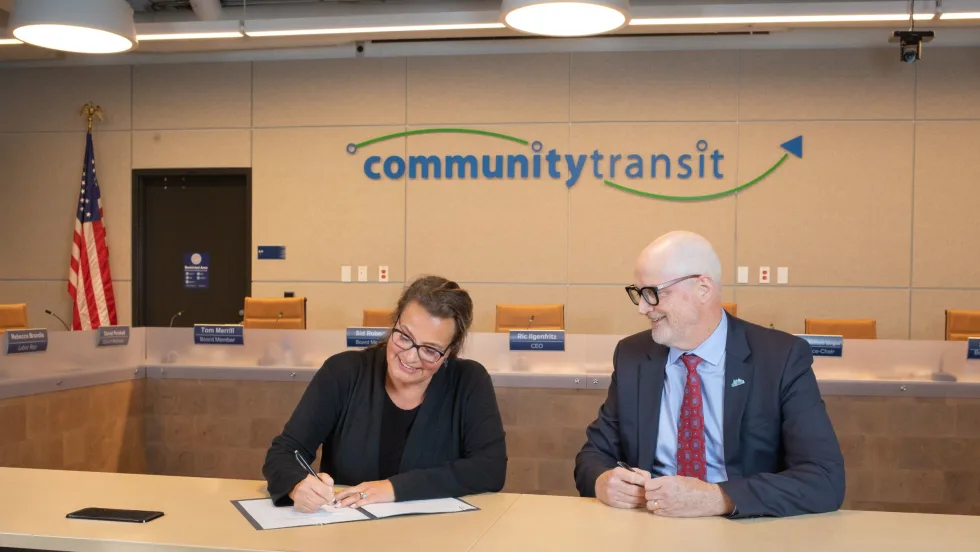
Everett Transit, Community Transit Approve Consolidation of Services
The agreement will bring Everett Transit into Community Transit’s network in April 2027, with plans to increase bus service by 50% by 2031 and expand regional connections.
Read More →
NITA Proposes $5B Operating Budget, $9.7B Capital Program for 2027
The proposed budget includes funding for expanded transit service, safety initiatives, fleet upgrades, and infrastructure improvements across CTA, Metra, and Pace.
Read More →
Financing, Fleet Replacement Requires a More Strategic Approach
Executives from ABC Companies and MCI discuss how rising costs, changing market conditions, and post-pandemic challenges are prompting motorcoach operators to rethink financing strategies, fleet replacement cycles, and long-term planning.
Read More →
Bringing Austin’s First Light Rail System to Life
Austin Transit Partnership CEO Greg Canally discusses the city's nearly 10-mile light rail project, its collaborative approach to project delivery, the importance of community engagement, and the milestones ahead as construction approaches in 2027.
Read More →
ETA CEO John Maglio on Transit Technology, Innovation, and Building Agency Trust
ETA founder and CEO John Maglio explores the evolution of transit technology, the importance of reliable systems, and how stronger partnerships can help agencies improve operations and the passenger experience.
Read More →
Metra Draft Plan Outlines Costs, Service Improvements for Regional Rail
The Systemwide Network Plan identifies infrastructure needs and potential investments to expand all-day, bidirectional rail service across the Chicago region.
Read More →
New Orleans RTA Names Augustine III as New CEO
In this edition, we also spotlight recent personnel moves at HDR, PATH, STV, and more, highlighting the people taking on new roles across the transportation industry.
Read More →