



Metra releases details of former exec's settlement
The costs include $652,363 to be paid to Alex Clifford in salary, accrued time off, medical insurance, relocation expenses and attorneys’ fees, and $662,494 that was paid to outside attorneys to defend Metra and assist with investigations relating to the matter.

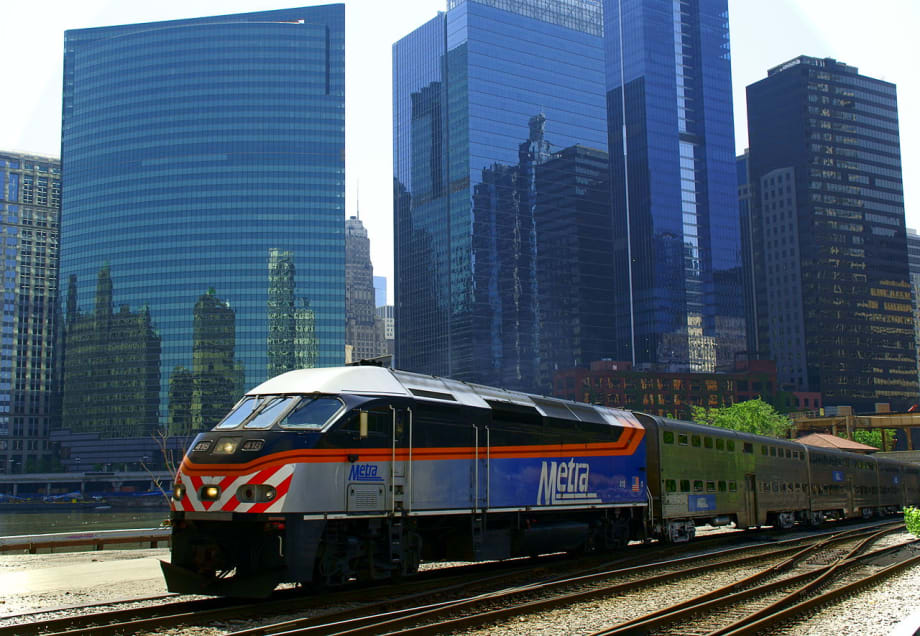
Photo courtesy Douglas Rahden
Photo courtesy Douglas Rahden
The costs associated with Chicago Metra’s settlement with former Executive Director/CEO Alex Clifford last year totaled about $1.3 million, according to a final accounting that was requested by Metra Board Chairman Martin Oberman and released by Metra on Thursday.
The costs include $652,363 to be paid to Clifford in salary, accrued time off, medical insurance, relocation expenses and attorneys’ fees, and $662,494 that was paid to outside attorneys to defend Metra and assist with investigations relating to the matter.
As the accounting establishes, the largest proportion of attorneys’ fees was for outside counsel retained under a previous Metra board chairman. Those outside counsel services were effectively discontinued by the acting board chairman who preceded Oberman, and Oberman discontinued the practice permanently.
RELATED:Tight transit budgets force Metra to rehab railcars
Oberman requested the accounting and its disclosure to prevent a recurrence of the issues that led to the Clifford settlement and to reinforce Metra’s commitment to transparency.
“Since February, Metra has been led by a new board and new Executive Director/CEO Don Orseno, and we are committed to operating openly and honestly while moving this agency forward in service of commuters throughout Chicagoland,” Oberman said. “Not only are we releasing this full accounting of Metra’s costs relating to Mr. Clifford’s departure, but we’re applying what we’ve learned from this process to make critical changes that address issues that arose during this matter.”
More Management
New York MTA Launches Historic $1.9B Signal, Track Modernization Project
Funded in part by congestion pricing revenue, the project will replace nearly century-old signals along the A and C lines in Brooklyn and Queens.
Read More →
Brian Dickson on Building Stronger, More Resilient Transportation Organizations
Bus Business Consultants Founder Brian Dickson discusses the leadership principles, operational discipline, and strategic planning that separate transportation companies positioned for long-term success from those stuck in survival mode.
Read More →
LA Metro Breaks Ground on Vermont BRT Project
The 12.4-mile corridor is projected to serve 66,200 daily riders, reduce travel times by up to 24%, and create the nation's busiest bus rapid transit corridor.
Read More →
Building Stronger Leaders, More Resilient Transit Teams
Dr. Carol Parker Walsh discusses leadership development, employee retention, workplace culture, and preparing transit’s workforce for AI and automation.
Read More →
Roman Cornell on ABC Companies’ Evolution and the Future of Passenger Transportation
The company’s CEO discusses carrying forward a third-generation family legacy, ABC’s continued evolution in passenger transportation, support for increasingly complex fleets, and how technology and continued investment could help operators improve uptime.
Read More →
CATS Launches West Charlotte Microtransit Zone, Expands Transit Services
The new microtransit zone connects residents to key destinations as Charlotte Area Transit System rolls out the first phase of its 2055 Transit System Plan.
Read More →
VIA Bus Ridership Grows 10.1% Through August 2026
San Antonio's VIA Metropolitan Transit reported the highest bus ridership growth among major Texas transit systems. Federal Transit Administration data ranked it second among the nation's 50 largest transit systems.
Read More →
CSA Group Releases Climate Resilience Standard for Transit, Passenger Rail
Developed with support from the Standards Council of Canada, CSA D700 guides assessing climate-related risks and planning adaptation measures for transit and passenger rail systems.
Read More →
ETA CEO John Maglio on Transit Technology, Innovation, and Building Agency Trust
ETA founder and CEO John Maglio explores the evolution of transit technology, the importance of reliable systems, and how stronger partnerships can help agencies improve operations and the passenger experience.
Read More →
COTA Launches First Customer Experience Action Plan to Improve Transit Service
The new plan outlines improvements to service reliability, accessibility, communication, and the overall rider experience across Central Ohio's transit system.
Read More →