



Chicago Railcar Testing Reaches the Home Stretch
The Chicago Transit Authority has been in-service testing 10 5000-Series railcar prototypes, manufactured by Bombardier Transportation, for the past year. Final designs of the new railcars will feature onboard video surveillance, aisle-facing seating and AC propulsion.
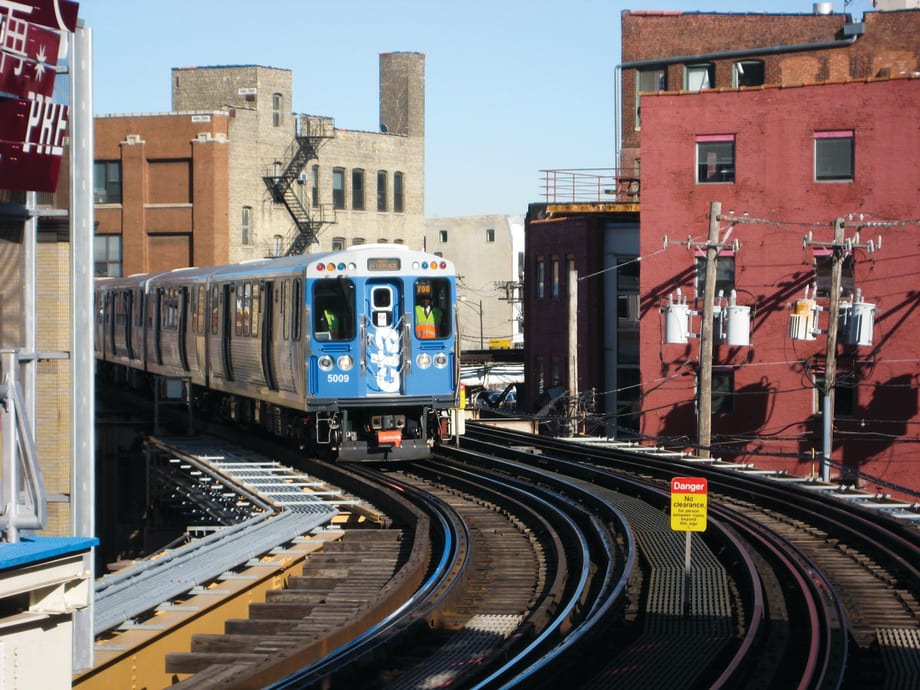
Photos courtesy CTA

The Chicago Transit Authority (CTA) operates the nation's second largest public transportation system — a regional transit system that serves the city of Chicago and 40 neighboring communities. The system provides 1.7 million rides on an average weekday, accounting for more than 80 percent of all transit trips taken in the six-county Chicago metropolitan region.
Presently, CTA's buses make over 25,000 trips, daily, and serve nearly 12,000 bus stops throughout the region, while the heavy rail service, known as the "L" system, has eight rapid transit routes and consists of 144 stations over approximately 242.2 miles of track.
Like many rail fleets in the U.S., the CTA's railcars have aged considerably, with the oldest cars reaching 32 to 41 years in service. The transit system aims to change that with the addition of new 5000 Series railcars, manufactured by Bombardier Transportation, which are outfitted with a number of customer amenities in addition to added safety features and technologies that will enhance operations and maintenance and provide a smoother, more comfortable ride. The 2006 contract calls for the manufacture and purchase of 406 new railcars, at a total cost of $603.6 million, with additional options that could bring the total purchase to 706 cars.
The CTA began testing 10 prototypes of the 5000 Series railcars in April 2010. Testing is currently being conducted on the Purple Line.
METRO Magazine Executive Editor Janna Starcic asked CTA's GM, Public Affairs, Sheila Gregory to discuss how the transit system is faring during the slow economy and how the new railcars will enhance service, as well as discuss CTA President Richard Rodriguez's initiatives. [At press time, it was announced that Mayor-elect Rahm Emanuel tapped Forrest Claypool to take the helm at CTA. A start date for the incoming president had not been determined, according to Gregory.]
METRO: How has CTA been impacted by shrinking budgets and the slow economy?
CTA: CTA's public funding is particularly sensitive to economic conditions. Sales tax and real estate transfer tax, which makes up the agency's public funding, have been lower than forecast and have resulted in CTA having to make some hard choices, including reducing service last year and laying off employees.
Capital funding has also been difficult to secure, as the state of Illinois no longer has a dedicated capital funding program to support major infrastructure improvements and agencies are competing hard for federal funding.
The Chicago Transit Authority, just like other transit agencies and businesses, has had to do more with less.
More than 90 percent of CTA's labor force is union and accounts for the majority of costs as contracts dictate pay increases despite the budget situation. Non-union employees have not had a pay increase for five years and have had to take furlough days and unpaid holidays in 2010 and 2011.
What are some current challenges facing the CTA and how are they being met?
One of the challenges is to make capital improvements to an infrastructure that, in some areas, is 100 years old. CTA aggressively applies for available state and federal funding.
The agency also continues to look for ways to make improvements that cost very little, but can have a positive impact on customers; for example, testing a train tracking system that provides estimated arrival times for the next train. Through this system, customers can reduce their wait time, which leads to a more pleasant travel experience.
In addition, gas prices continue to rise globally, and fuel is one of CTA's major expenditures. CTA actively manages fuel costs through hedging mechanisms. Fuel hedging allows CTA to lock in per-gallon diesel fuel prices. By doing so, CTA has saved an estimated $6.7 million in 2010.
[PAGEBREAK]

What were some of CTA President Richard Rodriguez's key initiatives during his tenure?
Several construction projects were completed during his tenure, including:
Dearborn Subway Track Renewal Project: Stimulus funds in the amount of $56.6 million were used to renew 39,000 feet of subway track in the Blue Line Dearborn subway to remove existing slow zones and help prevent the creation of new slow zones. (CTA received an Honors Award for exceptional engineering achievement from the American Council of Engineering Companies for track repair and replacement based on the merits of the project.)
Cermak-Chinatown Station: CTA used $12.5 million in federal stimulus funds to construct a new entrance on Archer Avenue to the Red Line Cermak-Chinatown station. The main entrance was also rebuilt and made accessible.
North/Clybourn station Red Line: CTA and Apple Inc. reached an agreement in which Apple supplied funding to refurbish the station. Renovations were completed in October.
Other initiatives include:
Hybrid bus purchase: CTA used stimulus funds to purchase 58 New Flyer articulated hybrid buses to replace older buses in the system and improve capacity and service reliability.
Testing of new 5000 Series prototype railcars: Ten prototype railcars began in-service testing in 2010.
Rail station security cameras: Each of the 144 CTA rail stations has at least one high-definition camera installed.
CTA Train TrackerSM: following the success of CTA Bus TrackerSM, CTA launched a beta test of a program that allows customers to receive estimated arrival times for CTA trains via computer or Web-enabled mobile devices.
Funding to test electric buses: CTA received a Federal Transit Administration grant to purchase two electric buses and test them to determine the feasibility of incorporating the technology into CTA's fleet.
Switching over to the new railcars, what types of cars will the new Bombardier 5000 Series replace?
The new railcars will replace CTA's oldest railcars, which are between 32 and 41 years old, such as the 2200-series Budd cars that were purchased in 1969-70 and the 2400-series. The prototypes must complete testing before CTA will give the approval for the manufacture and delivery of the new railcars.
What kinds of issues are the older railcars experiencing?
The older railcars require more maintenance, and parts are harder to acquire for replacement. CTA has performed overhauls on the railcars, but replacing them will provide more reliable service and reduce costs.
What does the testing of the new prototype railcars involve?
Upon their arrival in Chicago in 2009, the railcars underwent a number of tests, internally, with CTA engineers and Bombardier personnel. The purpose of testing is to ensure the cars are equipped to handle the general wear and tear of operating out on the system under the varied conditions the fleet encounters throughout the year.
During non-revenue testing, the inside of the cars were equipped with multiple testing devices and wiring. The CTA tested every aspect of the railcars, including the propulsion system, braking, auxiliary power supply systems, communications systems and suspension.
Following the internal tests, in April 2010, the prototypes were put into revenue service testing to analyze how the cars perform in actual revenue service
What were some important features that the new cars needed to have?
When CTA began the planning process for the cars several years ago, the agency wanted to include as many technological, design and functionality upgrades as possible that would help improve service reliability and provide benefits for customers.
Several such features were installing security cameras onboard the railcars; aisle-facing seating, which provides room for more customers as well as adding more space for customers with backpacks, luggage, strollers and bikes; and adding another wheelchair position in each car for customers with disabilities.
The railcars also feature AC (alternating current) propulsion, rather than the DC (direct current) propulsion of CTA's present fleet. AC propulsion converts the DC energy in the third (power) rail to alternating current for the traction motors, providing smoother acceleration and deceleration for a more comfortable ride and reducing the expense of maintaining the outdated DC system.
[PAGEBREAK]

What new safety features will be available on the final design cars?
The final design cars will feature several safety enhancements that are not present on CTA's current fleet:
Each new railcar will have security cameras and a video system will record activity in each car.
The railcar floors are lined with photo-luminescent strips that outline the aisles and doorways.
Glow-in-the-dark decals and signage are used for the safety information posted on the railcar.
A textured, non-slip floor covering makes it easier to clean the floor of the railcars.
An event recorder system, similar to a black box on an airplane, will record all aspects of the car and cab signal operation. This will provide a record in case of unusual occurrences.
The rail operator is able to control the ventilation system on the train. The operator can fully shut down all HVAC blowers in response to smoke, fire or a biological incident.
The rail operator has the ability to view the interior of each railcar and speak to the people in that railcar via active passenger intercom.
CTA's Control Center will have the ability to make emergency audio and, send emergency text messages, to the LED signs inside of the train.
How is the new aisle-facing seating configuration better?
The aisle-facing seating adds six inches to the narrowest portion of the aisle, which allows more room for customers carrying backpacks, packages, luggage, strollers and bikes. This configuration also provides space for an additional wheelchair position, increasing the total to two per car.
The new cars employ regenerative braking technology. Explain how it differs from the current railcars' technology.
The 5000-Series cars also use regenerative braking technology. The AC propulsion system can reduce power consumption of the railcar by returning braking energy to the third rail for reuse to help power other trains and on-board electrical systems.
In the CTA's older railcars, the energy returned through the train braking is converted to heat and dissipated into the outside air.
Tell me about the switch to AC propulsion and its benefits versus DC motor use. How does the AC system provide better comfort for passengers?
AC propulsion offers energy efficient alternating current motors with lower maintenance, smoother acceleration and braking similar to the accelerator in an automobile, providing for a smoother ride for customers and regeneration of braking energy back into the power network, assists acceleration for other trains and reduces peak power demand. Another benefit for the agency is AC propulsion will help reduce the cost associated with maintaining an outdated direct current propulsion system.
Discuss the plan for the Red and Purple Line improvements.
CTA continually examines ways the agency can improve the service we provide customers. This Red/Purple Modernization project is one part of the overall plan to repair, upgrade and extend the entire Red Line and bring the capital assets in the project area to a state of good repair.
While funding for this project has not been identified, the planning needs to present flexible solutions to allow for a variety of funding and construction scenarios. The agency is working to develop a vision for the Red and Purple lines that will allow the final product to be flexible enough to respond to ridership demands in the future.
As more funding for the agency's capital needs becomes available, CTA will be able to make more investments in its infrastructure to maximize its ability to provide efficient, affordable and reliable service.
In January, CTA held the second set of public meetings to provide customers with several different plans for infrastructure improvements, based on input gathered from the first round of public meetings held at the end of 2009, and provide the opportunity for members of the public to comment.
Public input will be used to help identify the environmental studies to be considered in the Tier I Draft Environmental Impact Statement (EIS); one of the steps necessary to make this project eligible to apply for federal funding. The Tier 1 Draft EIS will identify and analyze the plan for all potential corridor-wide improvements that could be implemented as part of the project.
The first set of public meetings was designed to gather public input on existing conditions and issues facing the Red Line North and Purple Line and to provide information on the Red/Purple Modernization process and estimated timeline.
More Rail

Biz Briefs: STV teams with Amtrak, Motorcoach Operators Boost Fleet and Land Contracts, and More
From manufacturers and suppliers to transit agencies and motorcoach operators, these updates offer a snapshot of the projects, partnerships and business moves driving the industry forward.
Read More →
Metra Celebrates 100 Years of Electric Rail, Looks to the Future
The event was also a celebration of recent reforms to public transportation in the Chicago area, changes that could be as transformative in the future as the major civic achievement a century ago, said officials.
Read More →
LA Metro Marks Banner Year, Sets Ambitious Goals for New Fiscal Year
Incoming LA Metro Board Chair and Los Angeles Mayor Karen Bass joined outgoing Board Chair Fernando Dutra and LA Metro CEO Stephanie Wiggins to review accomplishments from fiscal year 2026, which included the opening of new rail extensions, advancement of major transit projects, expanded safety programs, and new rider amenities.
Read More →
DART Taps Nathaniel P. Ford Sr. as Next President/CEO
Since 2012, Ford has served as the CEO of the Jacksonville Transportation Authority
Read More →
California High-Speed Rail Authority Signs MOU to Advance High Desert Corridor
The agreement deepens collaboration between the California High-Speed Rail Authority and the High Desert Corridor Joint Powers Agency, supporting design integration, cost savings, and faster delivery of a key Southern California rail link.
Read More →
Building the Next Generation of Transit Technology
In this edition of METROspectives, Luminator CEO Magnus Friberg discusses the company's transformation, the growing role of AI and software, and what's next for transit technology.
Read More →
How Data, Strategy, and Community Engagement Are Reshaping Transit
In this edition of METROspectives, strada360 CEO Steve Lassey discusses how transit agencies can better align planning with operations, leverage data to improve decision-making, and build public trust as they prepare for the future of mobility.
Read More →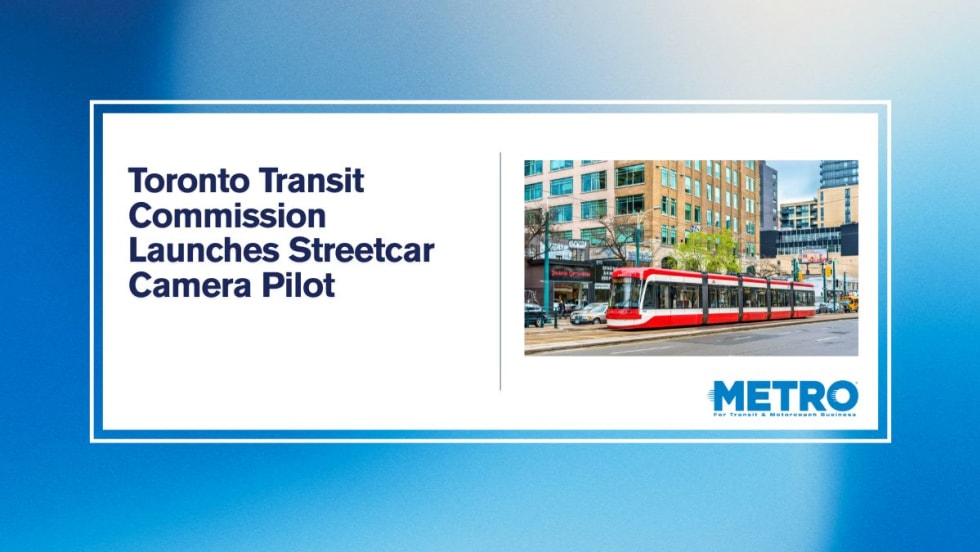
TTC Launches Camera Pilot to Curb Illegal Passing of Streetcars
During the pilot, the cameras will measure how often illegal streetcar passing occurs and test the technology's reliability for future automated enforcement.
Read More →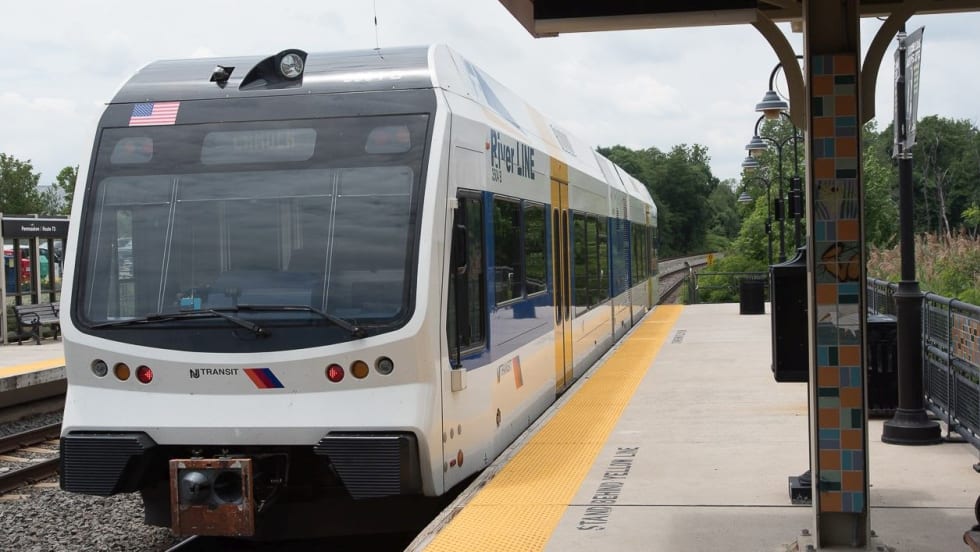
NJ TRANSIT Secures Capital Funding, Adopts FY2027 Budget
The budgets continue investments in infrastructure and equipment to maintain the system in a state of good repair and enhance the overall customer experience.
Read More →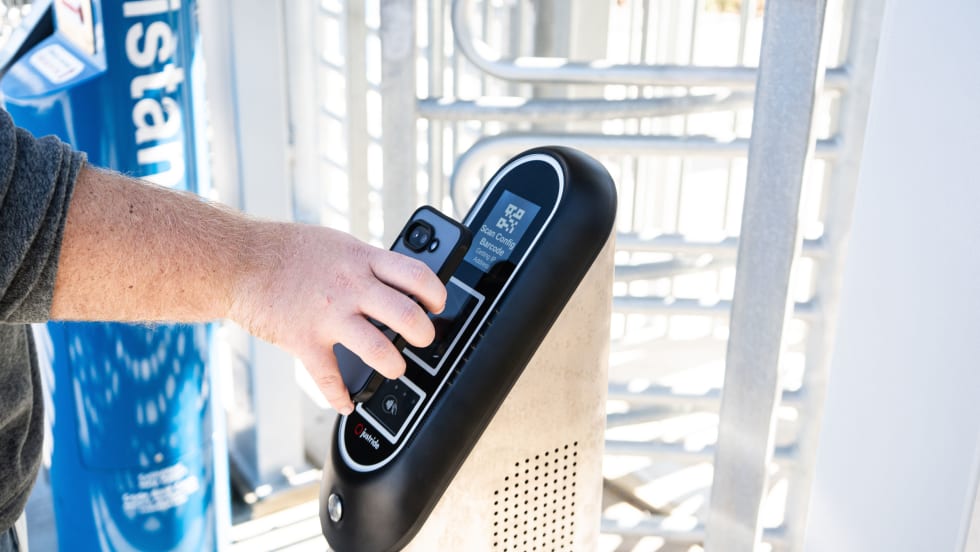
Biz Briefs: Masabi Teams with St. Louis Metro and More
In METRO's latest installment, we take a look at recent news from Transdev, Hitachi, and more partnerships making headlines across the transportation sector.
Read More →