



Northeast Corridor contributes $50B yearly to economy, report says
Report details how the corridor, carrying 750,000 daily Amtrak and commuter passengers, is a critical national asset. It also calculates that a loss of the corridor for one day would cost nearly $100 million in transportation-related impacts and productivity.

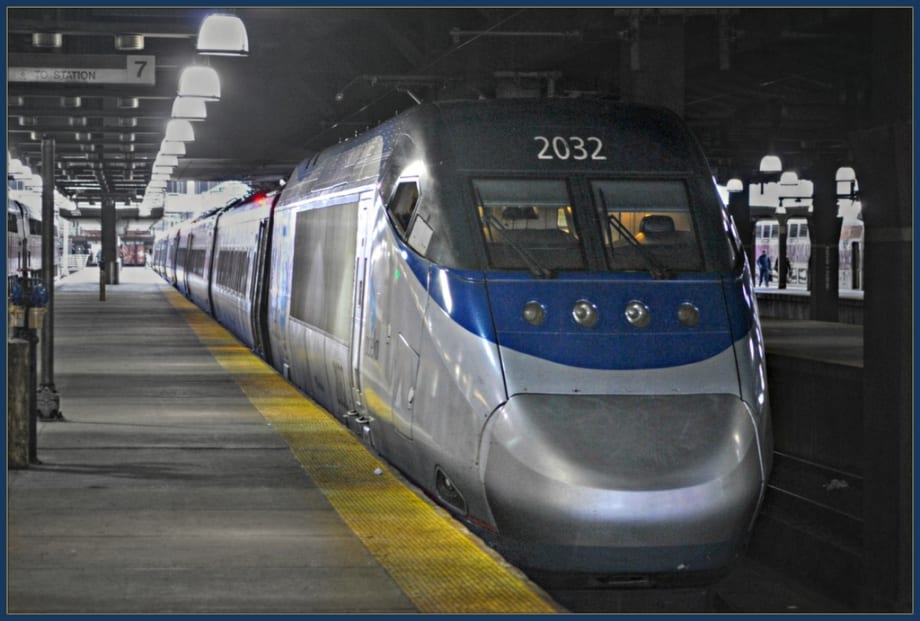
Courtesy Loco Steve via Flickr
Courtesy Loco Steve via Flickr
A new report details how the Northeast Corridor (NEC), carrying 750,000 daily Amtrak and commuter passengers, is a critical national asset, an economic engine for the U.S. and contributes about $50 billion a year to the national economy.
The report, “The Northeast Corridor and the American Economy,” produced by the NEC Infrastructure and Operations Advisory Commission (NEC Commission), also calculates that a loss of the NEC for a single day would cost nearly $100 million in transportation-related impacts and productivity losses.
The NEC mainline from Washington, D.C. to New York to Boston is a shared asset, used and supported by Amtrak, eight commuter rail operators and four freight railroads, and connects eight states and the District of Columbia. In addition, it connects people and businesses to world-class centers of employment, finance, education, health care, government, tourism and entertainment, and a variety of other economic and cultural destinations.
The report adds that the NEC carries more passengers within the NEC region than all the airlines combined and connects to the national freight rail network allowing Midwestern businesses and manufacturers to connect to East Coast ports and the global economy.
“Our leaders in Washington need to read this report to understand the economic risk they are taking if they don’t act now to reverse decades of underinvestment in the aging and deteriorating infrastructure of the NEC,” said Amtrak President and CEO Joe Boardman.
A previous report produced by the NEC Commission, “Critical Infrastructure Needs on the Northeast Corridor,” recognizes that additional investment is necessary to renew and enhance the NEC as a world-class, high-performance rail corridor supporting the economic development and international competitiveness of the region and the nation.”
As a member of the NEC Commission, Amtrak has worked closely with, and appreciates the efforts of, the NEC Commission and other participating agencies, including Northeast states, and commuter and freight railroads in the creation of the report.
More Rail
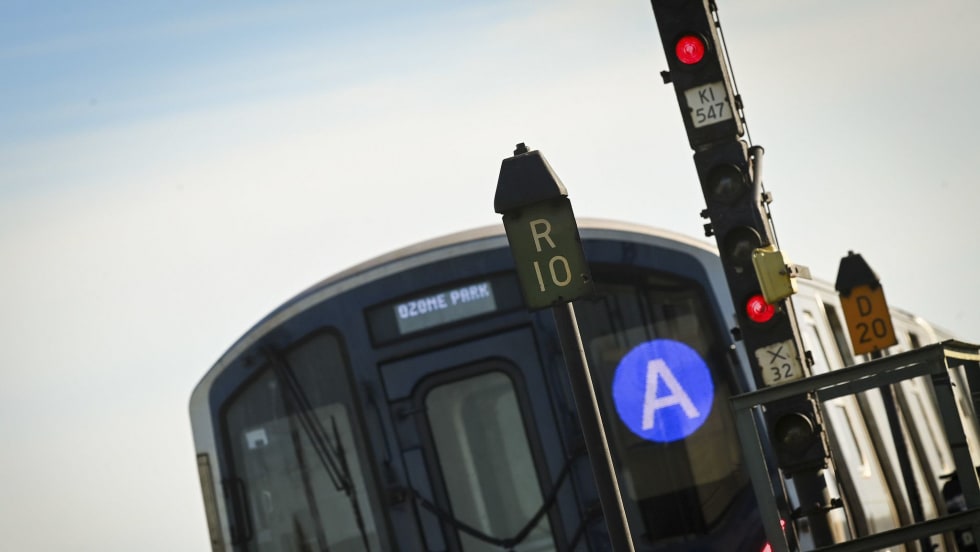
New York MTA Launches Historic $1.9B Signal, Track Modernization Project
Funded in part by congestion pricing revenue, the project will replace nearly century-old signals along the A and C lines in Brooklyn and Queens.
Read More →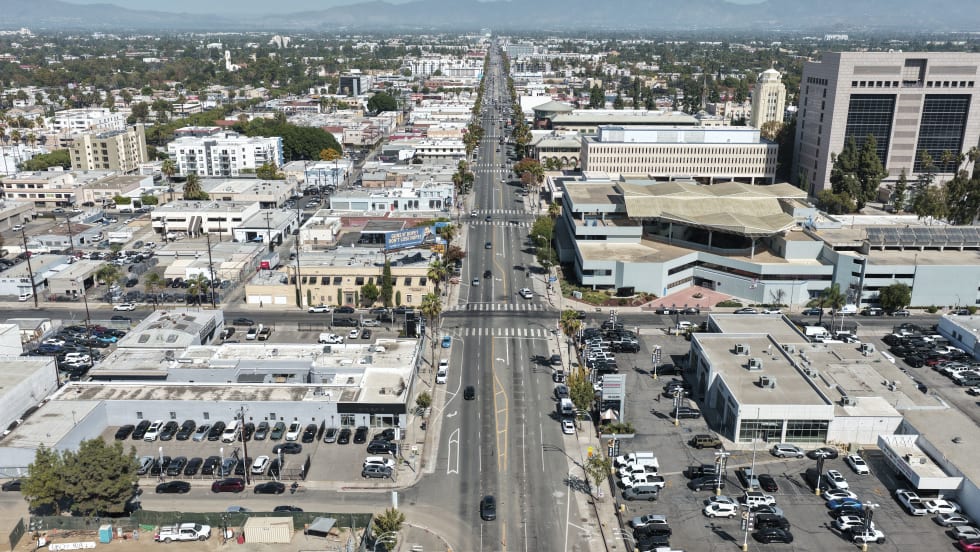
LA Metro Breaks Ground on East San Fernando Valley Light Rail Project
The 6.7-mile line will add 11 stations along Van Nuys Boulevard, expand access to jobs and regional transit connections, and support Metro’s broader efforts to improve mobility as rail ridership grows.
Read More →
CSA Group Releases Climate Resilience Standard for Transit, Passenger Rail
Developed with support from the Standards Council of Canada, CSA D700 guides assessing climate-related risks and planning adaptation measures for transit and passenger rail systems.
Read More →
LA Metro September Ridership Climbs 3.9%, Led by Rail Growth
The agency recorded more than 27.2 million boardings, with rail ridership increasing 12.4% year over year and the D Line posting the largest gains.
Read More →
First Full MetroLink Rail Expansion Completed in 20 Years with $192M Airport Project
The project links two St. Louis-area airports by light rail while adding roadway and bike trail connections to improve regional access and mobility.
Read More →
Utilimarc Launches SmartReplace to Optimize Fleet Replacement Decisions
AI-powered SmartReplace helps fleets prioritize vehicle replacements, model budget scenarios, and build more defensible long-term strategies.
Read More →
Scenes from APTA TRANSform & EXPO 2026
Transit leaders, manufacturers, and industry professionals gathered in Chicago to explore new technologies, share ideas, and discuss the future of public transportation.
Read More →
USDOT Awards $416 Million for Florida Rail Crossing Safety Upgrades, New Brightline Station
The projects aim to reduce risks for motorists and pedestrians at rail crossings while expanding passenger rail access along Florida’s Space Coast.
Read More →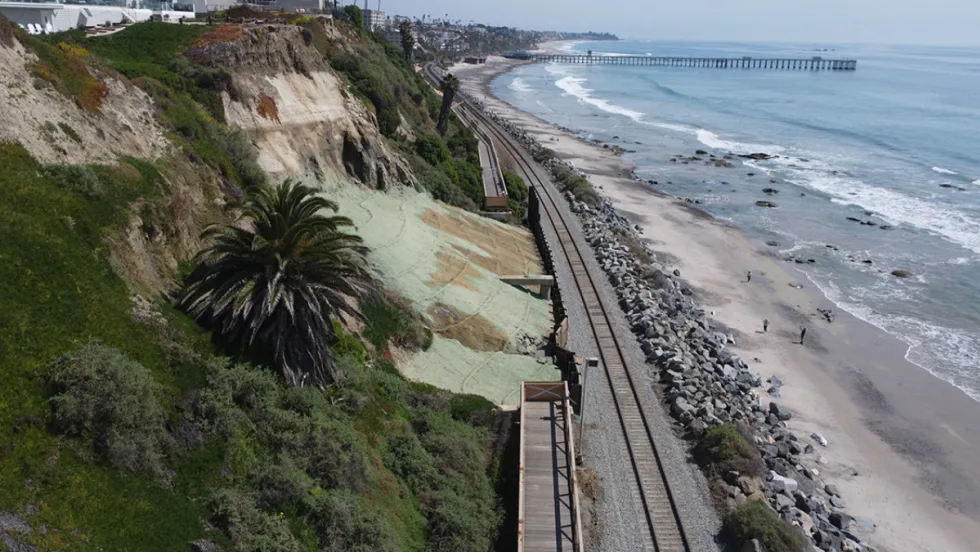
OCTA Declares Emergency to Protect Rail Corridor From Coastal Erosion
The California agency is accelerating shoreline protection and plans to place approximately 690,000 cubic yards of sand along the San Clemente coast to protect a key passenger and freight rail link.
Read More →
More Than a Summer Job: Building the Next Generation of Transit Talent
The Delaware River Port Authority and PATCO have transformed their internship program into a hands-on professional development experience that introduces students to the breadth of transportation careers — and creates a pipeline for future employees.
Read More →