




Design-Build Facilitates Completion of L.A.'s Expo Line Phase 2
L.A.'s Gold Line sets March 5 launch date
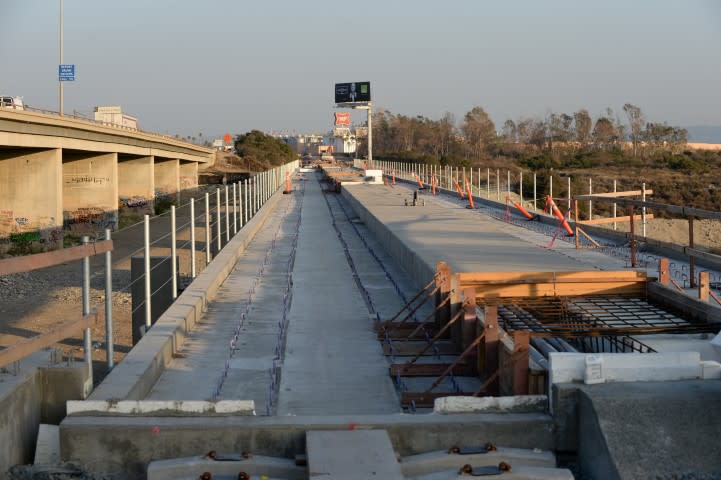
The rail extension was built by the Metro Gold Line Foothill Extension Construction Authority, an independent transportation planning and construction agency. The line took approximately five years to build, with major construction completed in September 2015.
October 28, 2015
Metro Gold Line Foothill Extension Construction Authority
2 min to read
Metro Gold Line Foothill Extension Construction Authority
Phillip A. Washington, CEO for the Los Angeles County Metropolitan Transportation Authority (Metro), announced the Metro Gold Line Foothill Extension Project, the very first rail line funded and built thanks to the 2008 Measure R countywide sales tax, will officially open to the public on Saturday, March 5.
“The opening of the Metro Gold Line Foothill Extension will bring Metro Rail to new San Gabriel Valley communities, and provide a relief valve for the increasingly congested 210 freeway,” said L.A. County Supervisor and Metro Board Chair Mark Ridley-Thomas. “Its opening is a significant milestone: Metro is delivering on its promise to lead a transit revolution. Work is well underway to add four additional rail lines and a total of 32 new miles of service to L.A. County’s rail system in the coming years.”
The rail extension was built by the Metro Gold Line Foothill Extension Construction Authority, an independent transportation planning and construction agency. The line took approximately five years to build, with major construction completed in September 2015.
“Our testing and training process before we open any rail line is a big part of making safety Metro’s number one priority,” said Washington. “But once the Gold Line Extension opens to the public in March, it will be yet another example of our regional investment in transforming transportation across this region.”
Metro has now accepted delivery of the rail line extension and will require the next several months to complete rigorous pre-revenue operations testing to ensure the line is safe and ready for service. This precursor work is critically important for the successful launch of the rail line. Metro is testing the line, training operators, supervisors and maintenance personnel, and will conduct extensive community outreach to help keep pedestrians, bicyclists and motorists safe around passing trains.
For example, Metro will test its fleet of brand new Kinkisharyo train cars as part of its pre-revenue service operations. The brand new P3010 train cars will seat 68 passengers and are highly advanced stainless steel vehicles specifically designed to support Metro’s complex system expansion needs. Metro has already begun train testing on the alignment and will accelerate train testing frequencies in preparation for the opening. New railcars must be tested and go through a “burn-in” process, with each car needing to run on the tracks for 1,500 miles.
In addition to the trains themselves, Metro also will test 23 miles of main train track. Tracks traverse 24 bridges and 14 at-grade street crossings. Metro must also test power and substation components in a simulated revenue service environment. Integrated testing will ensure that all systems, from power, communications, signals and grade crossings are all operating properly.
More Rail
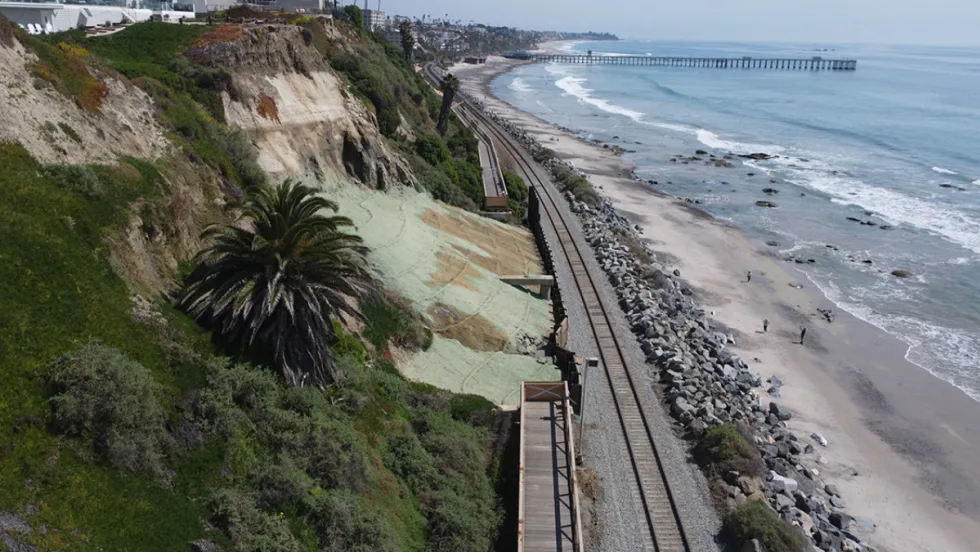
OCTA Declares Emergency to Protect Rail Corridor From Coastal Erosion
The California agency is accelerating shoreline protection and plans to place approximately 690,000 cubic yards of sand along the San Clemente coast to protect a key passenger and freight rail link.
Read More →
More Than a Summer Job: Building the Next Generation of Transit Talent
The Delaware River Port Authority and PATCO have transformed their internship program into a hands-on professional development experience that introduces students to the breadth of transportation careers — and creates a pipeline for future employees.
Read More →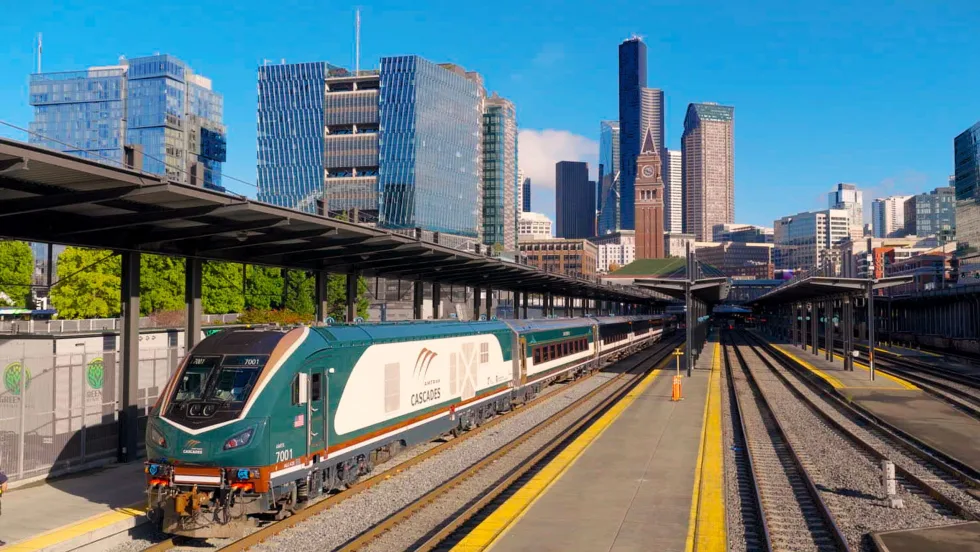
Airo Trains Make Their Amtrak Cascades Debut in the Pacific Northwest
Effective immediately, two cutting-edge Airo trainsets will join the Amtrak Cascades route, operating four daily trips between Vancouver, B.C., Seattle, Portland, and Eugene, Oregon, marking the first introduction of Airo trains into passenger service anywhere in the country.
Read More →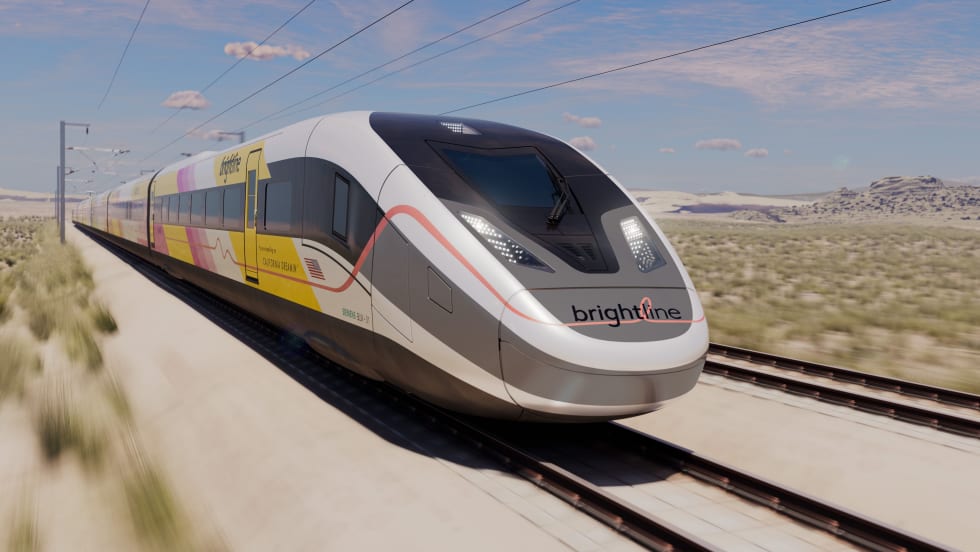
Florida's Brightline Announces Financial Restructuring
Brightline Florida says train operations will continue as normal as certain parent entities enter Chapter 11 and financial stakeholders provide $490 million in new long-term capital.
Read More →
ENC Lands MATA Contract and More in Biz Briefs
In this edition of Biz Briefs, we spotlight the latest developments shaping the future of mobility.
Read More →
Strada360’s Steve Lassey on Turning Transit Data Into Better Decisions
From breaking down data silos to preparing for AI, Strada360 CEO Steve Lassey discusses how transit agencies can use technology to improve operations, customer information, and long-term decision-making.
Read More →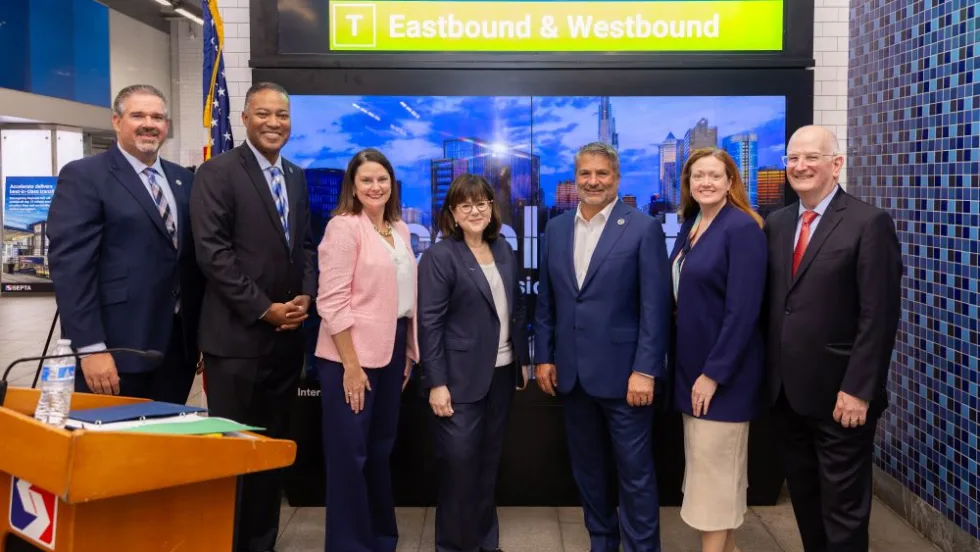
SEPTA Details Accelerate Vision for Transit System
The plan outlines investments in trolley modernization, new Metro and Regional Rail vehicles, accessible stations, and more frequent bus and rail service.
Read More →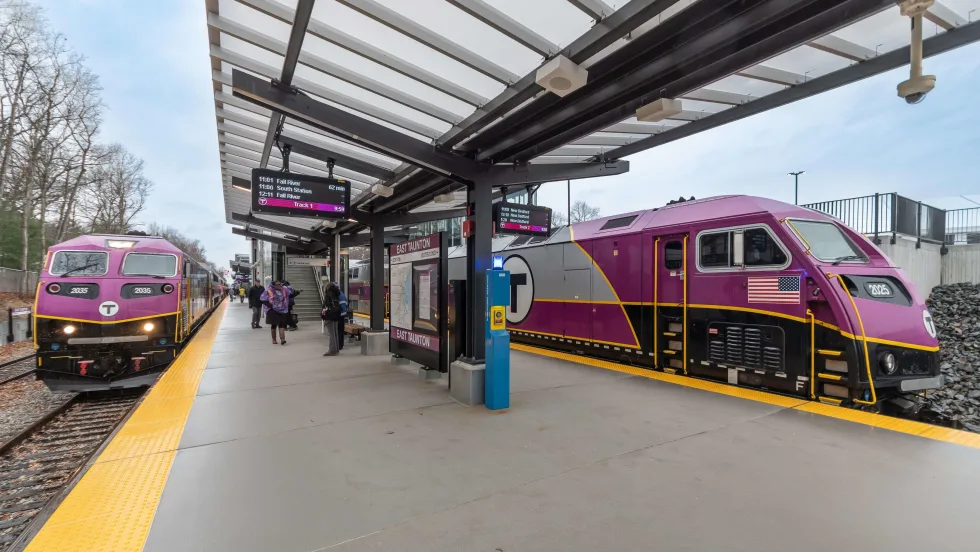
FTA Ends Direct Oversight of MBTA Safety Actions
The federal agency closed its remaining special directive to the Massachusetts Department of Public Utilities following a safety review that began in 2022.
Read More →
Amtrak, CN Reach Agreements to Strengthen Passenger Rail Service, Safety
The agreement resolves a more than decade-long proceeding before the Surface Transportation Board concerning the terms and conditions for Amtrak services, such as the City of New Orleans, Illini/Saluki, and Wolverine.
Read More →
New York MTA Advances Final Contract for Second Avenue Subway Expansion
Contract Four is the largest in the Second Avenue Subway Phase 2 project and includes construction of station infrastructure, tracks, and signals for the subway expansion, MTA officials said. Work on Contract Four will begin in 2027.
Read More →