




RELATED: Final rule requires rail systems to identify, reduce risks
FRA proposes safety standard updates for high-speed trains
The updates would offer an alternative method for evaluating how well passengers and crews are protected in an accident, often called crashworthiness.
November 22, 2016
Texas Central Railway
2 min to read
Texas Central Railway
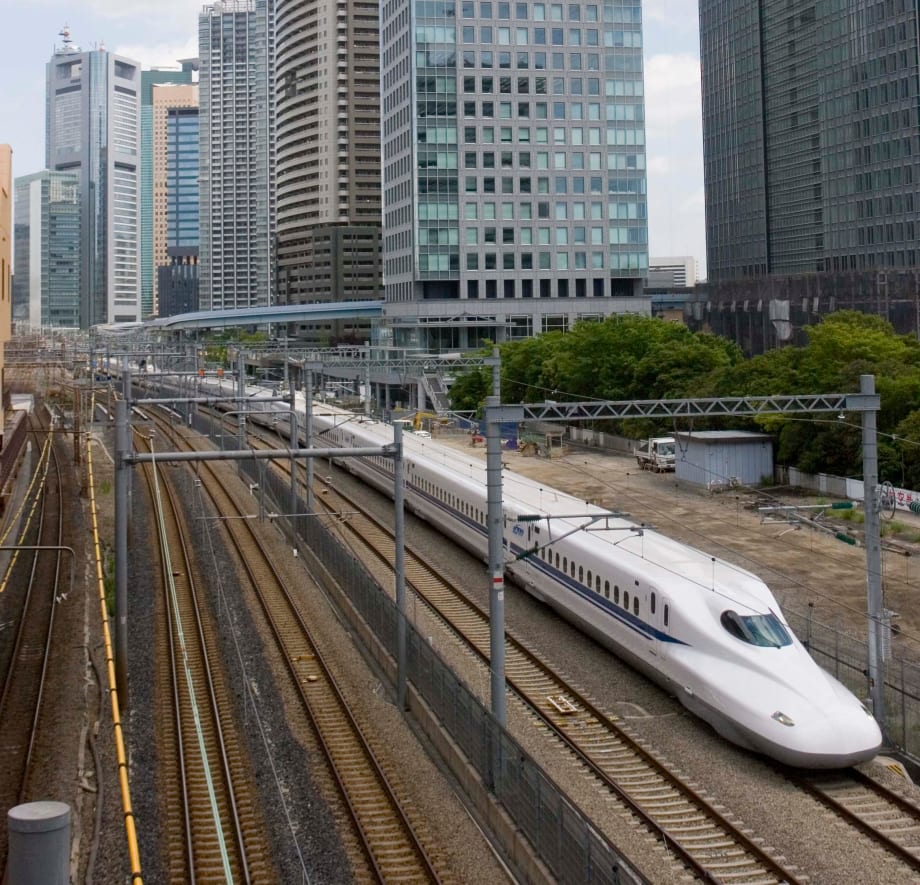
The Federal Railroad Administration (FRA) proposed updates for the passenger train safety standards used in the U.S. as the country looks to add high-speed trains that can travel up to 220 miles per hour and replace its aging passenger fleet. The proposed updates represent nearly a decade of work by FRA’s passenger rail division.
“As several regions of the United States build faster passenger rail service, the trains on those tracks must keep passengers safe,” said U.S. Transportation Secretary Anthony Foxx. “To do that, we want to allow manufacturers to innovate and achieve all-new levels of safety. These proposed changes put us on track to do just that.”
The proposed updates would establish a new category of passenger equipment, Tier III, for trains traveling up to 220 mph. The updates would offer an alternative method for evaluating how well passengers and crews are protected in an accident, often called crashworthiness. The public, railroad industry, railroad labor, manufacturers, and other stakeholders will have an opportunity to provide feedback and comment on the proposed rule during the next 60 days.
In addition to measuring a train’s crashworthiness based on whether it meets current prescriptive strength standards, the proposed changes would allow a train’s crashworthiness to be evaluated based on it meeting an equivalent level of safety achieved through crash energy management technology or other innovative engineering methods.
“We look forward to hearing from everyone on how this proposal can help our country build a stronger passenger rail network – one that is not only faster but allows for new technologies to make passenger trains even safer,” said FRA Administrator Sarah E. Feinberg.
Although Tier III trains will be required to have exclusive track to operate at speeds above 125 mph, the new standards will allow Tier III trains to safely share track with current Tier I and Tier II commuter, intercity, and Acela trains. Compatibility between equipment types is a key strategy to allow trains to share existing corridors to reach downtown stations.
To view the proposed updates, click here.
More Rail

New York MTA Advances Final Contract for Second Avenue Subway Expansion
Contract Four is the largest in the Second Avenue Subway Phase 2 project and includes construction of station infrastructure, tracks, and signals for the subway expansion, MTA officials said. Work on Contract Four will begin in 2027.
Read More →
San Diego MTS Breaks Monthly Trolley Ridership Record
Agency officials said July’s ridership indicates MTS’s continued recovery from the pandemic.
Read More →
Report Examines NJ TRANSIT Reliability, Funding Challenges
The Garden State Initiative analysis examines the roles of Amtrak infrastructure, fleet management, and agency operations while recommending a more performance-based approach to improving reliability.
Read More →
Stadler, CapMetro Sign Long-Term Rail Fleet Support Agreement
Beginning in 2027, Stadler will provide on-site technical expertise, spare parts support, training, and obsolescence management to help extend the reliability and longevity of CapMetro’s GTW fleet.
Read More →
Biz Briefs: Alstom Lands Canadian Contract, LYT to Supply California TSP, and More
In METRO's latest installment, we take a look at recent news from Complete Coach Works, Beep, FlixBus, and more partnerships making headlines across the transportation sector.
Read More →
CATS Gold Line Marks 5 Years of Service, 2.8M Passenger Trips
With a six-mile expansion planned, the Charlotte streetcar is positioned to connect more neighborhoods and major transit hubs across the region.
Read More →
Why Simulating Pedestrian Movement Has Become Essential for Modern Rail Stations
Pedestrian microsimulation is helping rail planners identify bottlenecks, test station designs, and prepare complex transit hubs for growing passenger volumes.
Read More →
Amtrak Begins Major Construction at New York’s Sunnyside Yard
The new maintenance facility will support Amtrak’s Airo trainsets while improving maintenance efficiency and turnaround times in New York.
Read More →
Chicago Leaders Unveil Plans for O’Hare Airport Express Train
The privately developed project would offer a 15-minute trip between downtown and O’Hare’s Terminal 2, with trains operating every 15 minutes on a dedicated track. The service would use battery-electric trains and three existing freight rail rights-of-way.
Read More →
OCTA Maps Out 30-Year Strategy to Protect Coastal Rail Corridor
The draft feasibility report identifies strategies to protect the coastal rail line for decades as the agency continues near-term stabilization and sand placement efforts.
Read More →