



House T&I Committee approves legislation to increase rail oversight transparency
Under the legislation, the FRA will have 10 business days from the beginning of the safety assessment to notify Members of Congress and 90 days following the completion of the assessment to provide members with findings and recommendations.

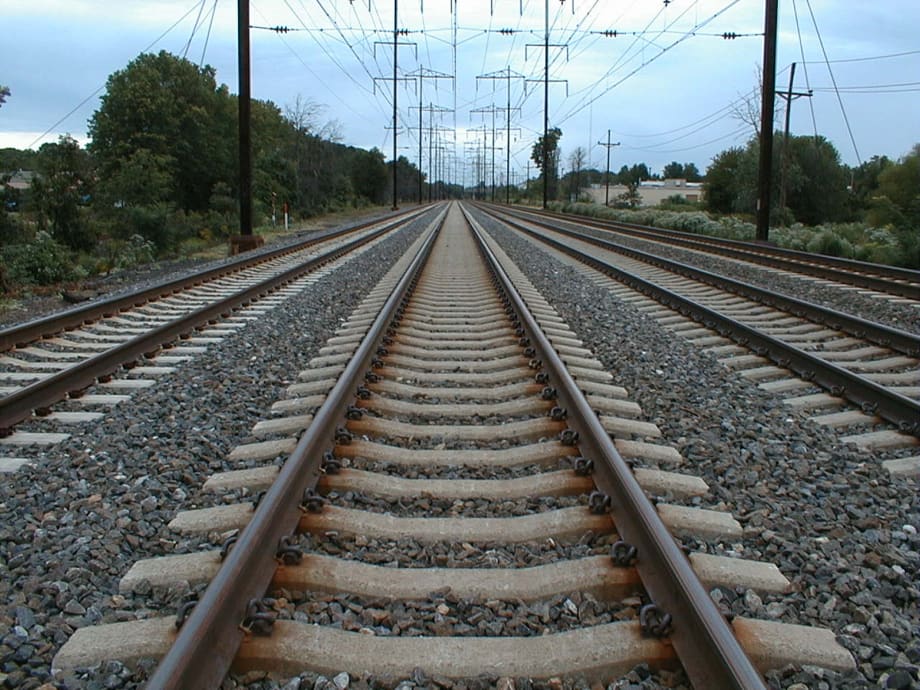
The House Committee on Transportation and Infrastructure (T&I) approved Rep. Albio Sires’ (D-NJ) legislation to require that when the Federal Railroad Administration (FRA) begins a comprehensive safety assessment on a commuter or intercity passenger rail system, the FRA must notify the T&I Committee; the Senate Commerce, Science, and Transportation Committee; and Members of Congress representing the state in which the assessment is conducted.
The FRA will have 10 business days from the beginning of the safety assessment to notify Members of Congress and 90 days following the completion of the assessment to provide members with findings and recommendations.
“This legislation will bring much needed transparency to the federal oversight of commuter and intercity passenger rail,” said Rep. Sires. “Lawmakers tasked with the oversight of railroads should know when a railroad is unsafe.”
In the wake of the New Jersey Transit (NJ Transit) train accident in Hoboken, N.J., that left a young mother dead and injured 110 passengers and crewmembers, FRA revealed that it had been conducting a comprehensive safety assessment on NJ Transit for months. NJ Transit had violated more safety regulations and paid more in fines for violations than any other commuter railroad in the country over the previous five years.
“I am pleased that this legislation, which passed the House Committee on Transportation and Infrastructure in a bipartisan fashion, will address the serious concerns I had following the Hoboken accident,” said Rep. Sires. “It is my hope that commuter and intercity passenger rail agencies, Members of Congress, and the FRA can work together to make these systems safer.”
More Rail

FTA Advances $164M Broward County Commuter Rail Project
The proposed 10.5-mile commuter rail extension would connect Fort Lauderdale and Aventura, expanding passenger rail options in South Florida.
Read More →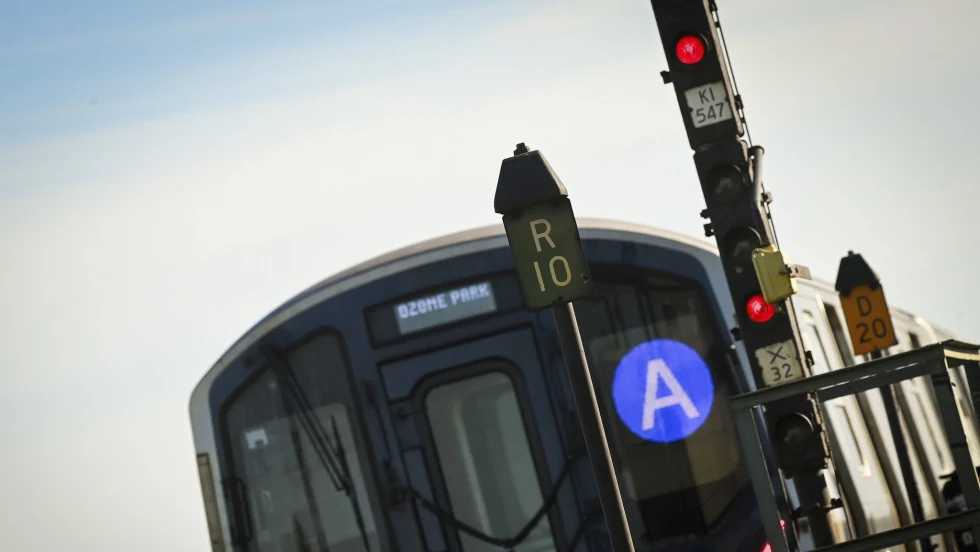
New York MTA Launches Historic $1.9B Signal, Track Modernization Project
Funded in part by congestion pricing revenue, the project will replace nearly century-old signals along the A and C lines in Brooklyn and Queens.
Read More →
LA Metro Breaks Ground on East San Fernando Valley Light Rail Project
The 6.7-mile line will add 11 stations along Van Nuys Boulevard, expand access to jobs and regional transit connections, and support Metro’s broader efforts to improve mobility as rail ridership grows.
Read More →
CSA Group Releases Climate Resilience Standard for Transit, Passenger Rail
Developed with support from the Standards Council of Canada, CSA D700 guides assessing climate-related risks and planning adaptation measures for transit and passenger rail systems.
Read More →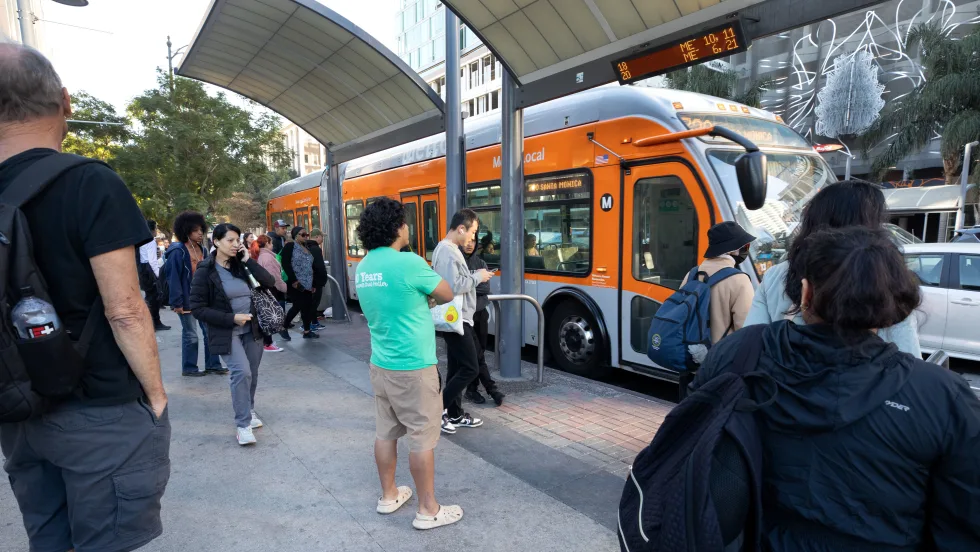
LA Metro September Ridership Climbs 3.9%, Led by Rail Growth
The agency recorded more than 27.2 million boardings, with rail ridership increasing 12.4% year over year and the D Line posting the largest gains.
Read More →
First Full MetroLink Rail Expansion Completed in 20 Years with $192M Airport Project
The project links two St. Louis-area airports by light rail while adding roadway and bike trail connections to improve regional access and mobility.
Read More →
Utilimarc Launches SmartReplace to Optimize Fleet Replacement Decisions
AI-powered SmartReplace helps fleets prioritize vehicle replacements, model budget scenarios, and build more defensible long-term strategies.
Read More →
Scenes from APTA TRANSform & EXPO 2026
Transit leaders, manufacturers, and industry professionals gathered in Chicago to explore new technologies, share ideas, and discuss the future of public transportation.
Read More →
USDOT Awards $416 Million for Florida Rail Crossing Safety Upgrades, New Brightline Station
The projects aim to reduce risks for motorists and pedestrians at rail crossings while expanding passenger rail access along Florida’s Space Coast.
Read More →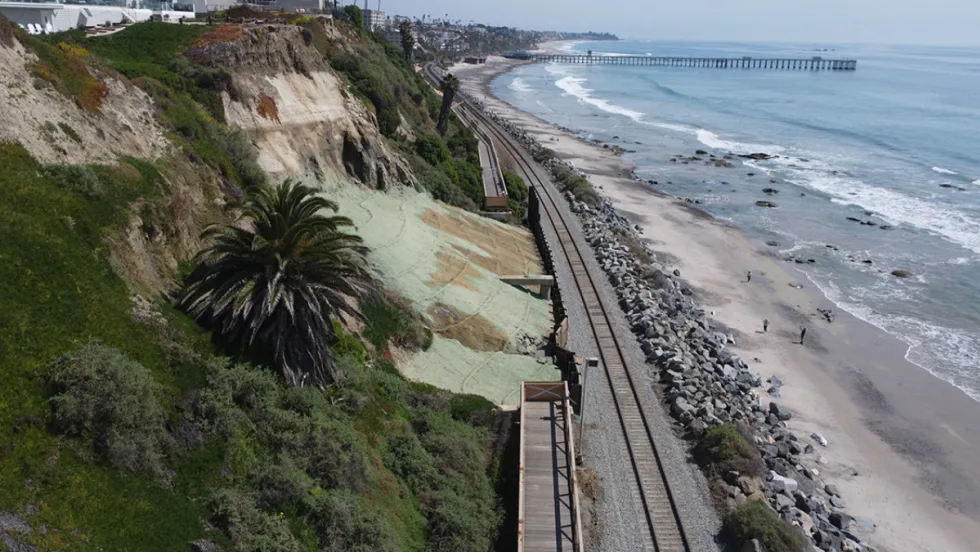
OCTA Declares Emergency to Protect Rail Corridor From Coastal Erosion
The California agency is accelerating shoreline protection and plans to place approximately 690,000 cubic yards of sand along the San Clemente coast to protect a key passenger and freight rail link.
Read More →