




RELATED: TfL taps artificial intelligence to 'chat' with customers
Map to help people with claustrophobia, anxiety navigate London Tube
The new map shows customers routes they can take to avoid areas with large stretches of tunnels.
July 6, 2017
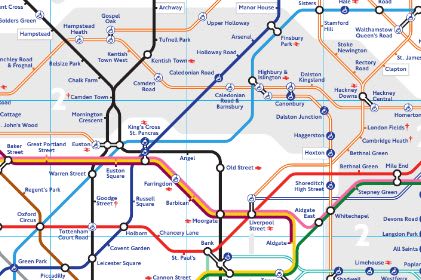
Parts of the lines on the new Tube map (cropped portion shown) have been given a grey overlay to illustrate which stations or sections of track are underground. Transport for London
2 min to read

Transport for London (TfL) launched a new map that shows which stations and sections of the TfL network are underground to help make the journey less stressful for people with claustrophobia or other anxiety conditions.
The new map shows customers routes they can take to avoid areas with large stretches of tunnels.
There are 270 stations on the Tube network, but more than half are actually above ground, with the Victoria and Waterloo and City lines being the only lines that are wholly underground. In the new design, parts of the lines have been given a grey overlay to illustrate which stations or sections of track are underground. The new map also shows which London Overground, DLR and TfL Rail services are in tunnels.
The tunnels map has been created following suggestions from customers living with claustrophobia or anxiety conditions who find it difficult using the Tube, and has been welcomed by charities. It is one of the many ways that TfL is working to improve the travel experiences of customers using public transport in London, according to the agency. Earlier this year, TfL launched the new 'Please Offer Me a Seat' badge to help disabled customers and those with hidden conditions, illnesses and injuries, find a seat on public transport more easily.
"I sincerely hope that the map will encourage those with claustrophobia and/or panic attacks who have previously avoided this form of public transport out of fear, to re-consider their use of the Tube," said Nicky Lidbetter, chief executive from Anxiety UK, a national charity helping people with anxiety.
The map can be downloaded here - https://tfl.gov.uk/tubetunnelmap
More Rail
LA Metro Marks Banner Year, Sets Ambitious Goals for New Fiscal Year
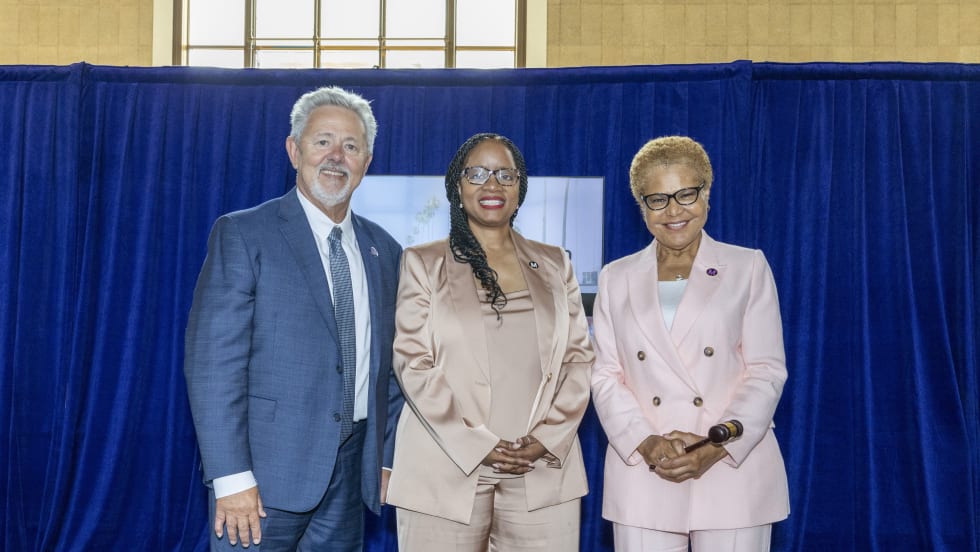
Incoming LA Metro Board Chair and Los Angeles Mayor Karen Bass joined outgoing Board Chair Fernando Dutra and LA Metro CEO Stephanie Wiggins to review accomplishments from fiscal year 2026, which included the opening of new rail extensions, advancement of major transit projects, expanded safety programs, and new rider amenities.
Read More →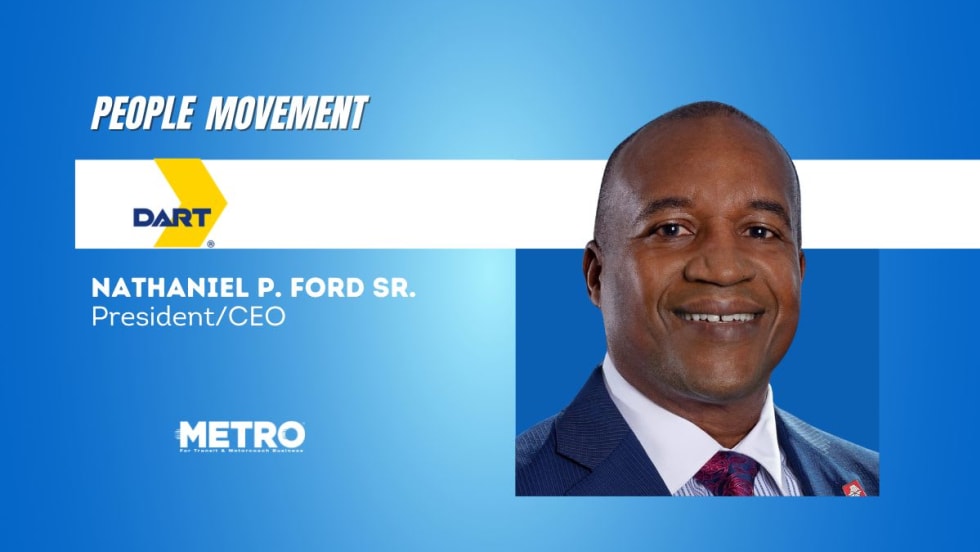
DART Taps Nathaniel P. Ford Sr. as Next President/CEO
Since 2012, Ford has served as the CEO of the Jacksonville Transportation Authority
Read More →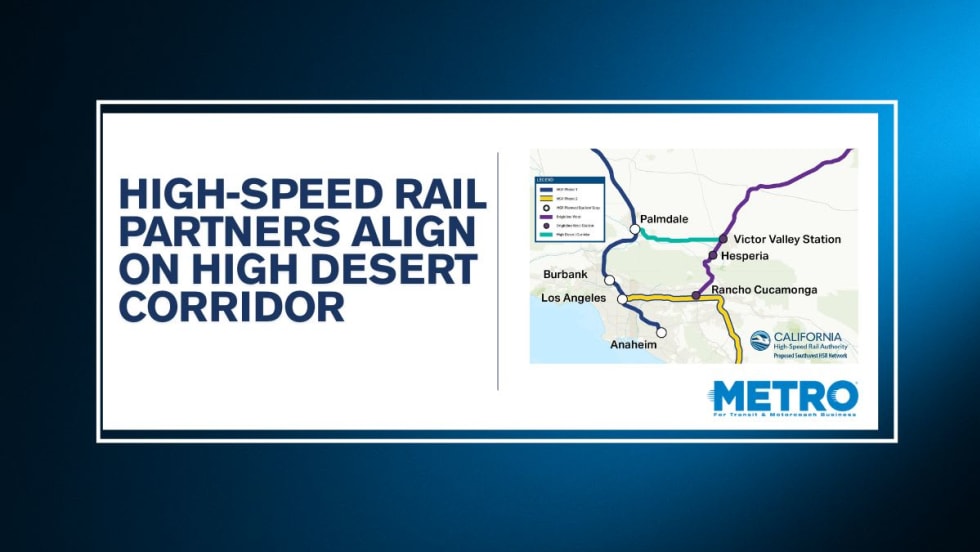
California High-Speed Rail Authority Signs MOU to Advance High Desert Corridor
The agreement deepens collaboration between the California High-Speed Rail Authority and the High Desert Corridor Joint Powers Agency, supporting design integration, cost savings, and faster delivery of a key Southern California rail link.
Read More →
Building the Next Generation of Transit Technology
In this edition of METROspectives, Luminator CEO Magnus Friberg discusses the company's transformation, the growing role of AI and software, and what's next for transit technology.
Read More →
How Data, Strategy, and Community Engagement Are Reshaping Transit
In this edition of METROspectives, strada360 CEO Steve Lassey discusses how transit agencies can better align planning with operations, leverage data to improve decision-making, and build public trust as they prepare for the future of mobility.
Read More →
TTC Launches Camera Pilot to Curb Illegal Passing of Streetcars
During the pilot, the cameras will measure how often illegal streetcar passing occurs and test the technology's reliability for future automated enforcement.
Read More →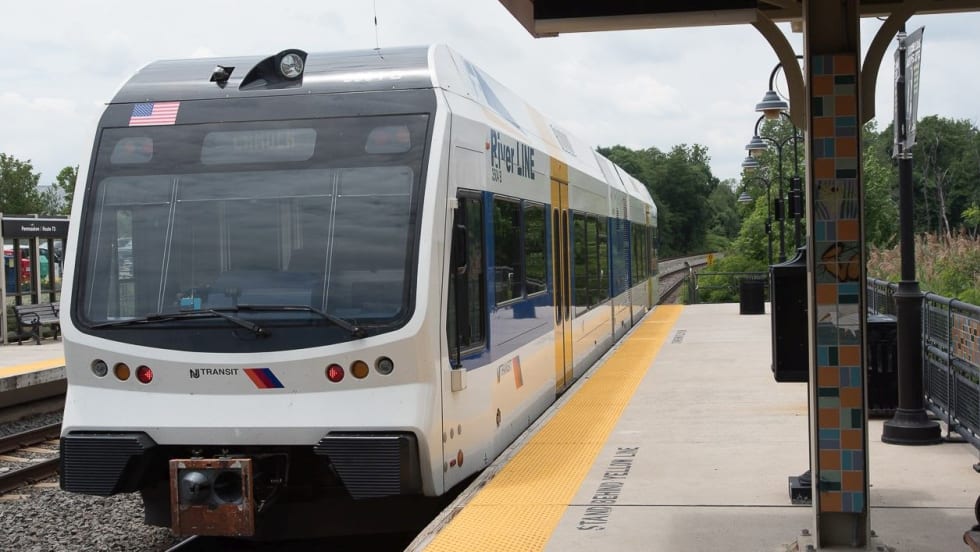
NJ TRANSIT Secures Capital Funding, Adopts FY2027 Budget
The budgets continue investments in infrastructure and equipment to maintain the system in a state of good repair and enhance the overall customer experience.
Read More →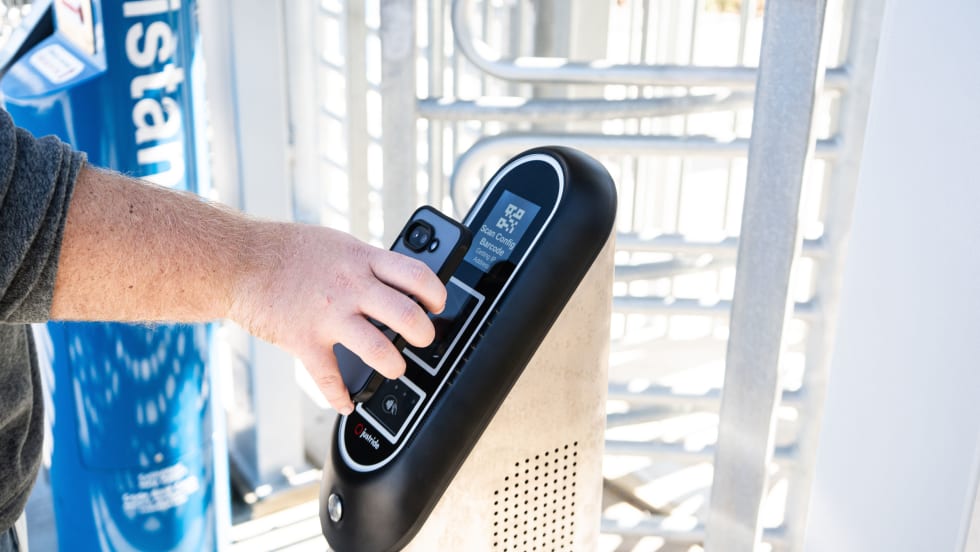
Biz Briefs: Masabi Teams with St. Louis Metro and More
In METRO's latest installment, we take a look at recent news from Transdev, Hitachi, and more partnerships making headlines across the transportation sector.
Read More →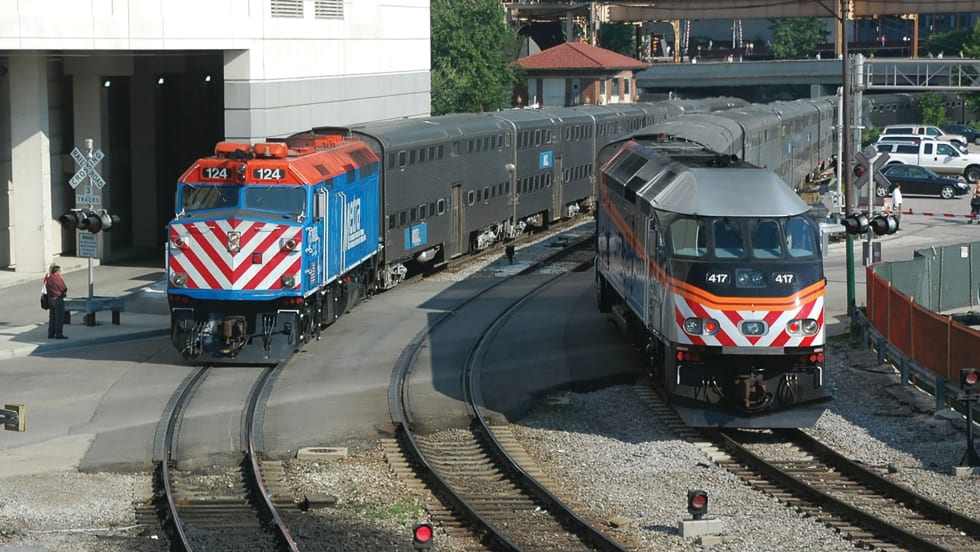
Metra Begins Drone Pilot Project to Boost Safety and Security
The project is funded through a $620,000 grant from FEMA’s Transit Security Grant Program, which provides transit agencies with funding for projects intended to protect critical transportation infrastructure and the traveling public.
Read More →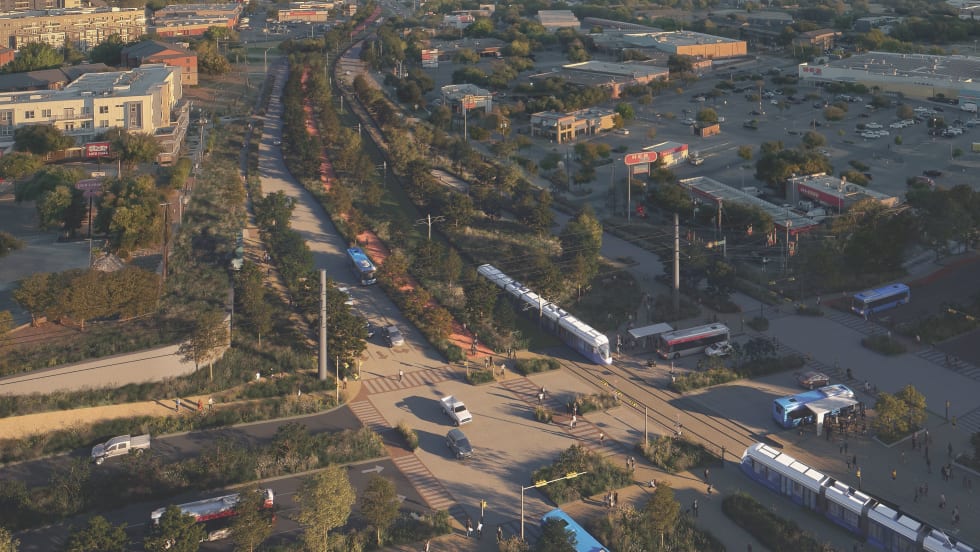
Austin Transit Partnership Selects Stadler to Manufacture Light Rail Vehicles
The award marks the conclusion of a series of major procurements over 18 months, as outlined in ATP’s delivery plan, and keeps Austin Light Rail on track.
Read More →