




RELATED: Sound Transit adding 30 more Siemens light rail vehicles
Sound Transit taps Siemens traction power tech for light rail expansion
The new project extends Siemens existing technology partnership with Sound Transit, having previously provided the same TPSS and MVSS substation infrastructure on the University Link and South Link lines.
February 22, 2018
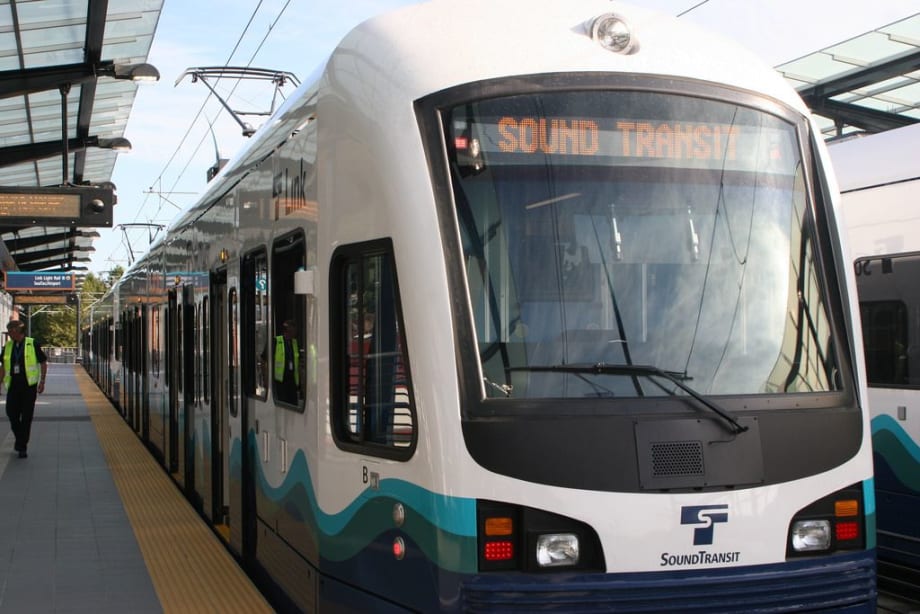
In addition to the light rail infrastructure investments, Seattle utilizes Siemens software that intelligently syncs and manages the city’s traffic system.
Sound Transit
2 min to read
In addition to the light rail infrastructure investments, Seattle utilizes Siemens software that intelligently syncs and manages the city’s traffic system.
Sound Transit
Siemens was selected to provide the power infrastructure for Seattle’s latest expansion — the Northgate and East Link lines — of the Seattle Sound Transit light rail system. Siemens will supply 13 traction power substations (TPSS), two medium voltage substations (MVSS), and one cross passage tunnel tie station on the Northgate and East Link and fully integrate these additions into the existing infrastructure. It will also upgrade one existing substation supplied by Siemens in 2008.
The Northgate (4.3 miles) and East Link (14 miles) lines and are set to open in 2021 and 2023, respectively. Passengers in Bellevue and Northgate will benefit from an easier and less congested commute as these new traction power stations enhance the efficiency and operation of the regional transit system.
“Siemens is proud of its role in helping Seattle manage its population and ridership growth through better and more reliable public transportation,” stated Andreas Thon, VP, turnkey and rail electrification, North America. “Seattle fully appreciates the sustainability and operational benefits of having a strong traction power and electrification infrastructure and this is one reason why it is consistently considered one of the most sustainable cities in the world.”
The new project extends Siemens existing technology partnership with Sound Transit, having previously provided the same TPSS and MVSS substation infrastructure on the University Link and South Link lines. Siemens was also chosen by the transit agency to deliver a total of 152 new light rail vehicles for the Sound Transit system, built out of the company’s Sacramento, Calif., manufacturing hub.
In addition to the light rail infrastructure investments, Seattle utilizes Siemens software that intelligently syncs and manages the city’s traffic system.
More Rail
Amtrak, CN Reach Agreements to Strengthen Passenger Rail Service, Safety
The agreement resolves a more than decade-long proceeding before the Surface Transportation Board concerning the terms and conditions for Amtrak services, such as the City of New Orleans, Illini/Saluki, and Wolverine.
Read More →
New York MTA Advances Final Contract for Second Avenue Subway Expansion
Contract Four is the largest in the Second Avenue Subway Phase 2 project and includes construction of station infrastructure, tracks, and signals for the subway expansion, MTA officials said. Work on Contract Four will begin in 2027.
Read More →
San Diego MTS Breaks Monthly Trolley Ridership Record
Agency officials said July’s ridership indicates MTS’s continued recovery from the pandemic.
Read More →
Report Examines NJ TRANSIT Reliability, Funding Challenges
The Garden State Initiative analysis examines the roles of Amtrak infrastructure, fleet management, and agency operations while recommending a more performance-based approach to improving reliability.
Read More →
Stadler, CapMetro Sign Long-Term Rail Fleet Support Agreement
Beginning in 2027, Stadler will provide on-site technical expertise, spare parts support, training, and obsolescence management to help extend the reliability and longevity of CapMetro’s GTW fleet.
Read More →
Biz Briefs: Alstom Lands Canadian Contract, LYT to Supply California TSP, and More
In METRO's latest installment, we take a look at recent news from Complete Coach Works, Beep, FlixBus, and more partnerships making headlines across the transportation sector.
Read More →
CATS Gold Line Marks 5 Years of Service, 2.8M Passenger Trips
With a six-mile expansion planned, the Charlotte streetcar is positioned to connect more neighborhoods and major transit hubs across the region.
Read More →
Why Simulating Pedestrian Movement Has Become Essential for Modern Rail Stations
Pedestrian microsimulation is helping rail planners identify bottlenecks, test station designs, and prepare complex transit hubs for growing passenger volumes.
Read More →
Amtrak Begins Major Construction at New York’s Sunnyside Yard
The new maintenance facility will support Amtrak’s Airo trainsets while improving maintenance efficiency and turnaround times in New York.
Read More →
Chicago Leaders Unveil Plans for O’Hare Airport Express Train
The privately developed project would offer a 15-minute trip between downtown and O’Hare’s Terminal 2, with trains operating every 15 minutes on a dedicated track. The service would use battery-electric trains and three existing freight rail rights-of-way.
Read More →