



Calif. awards $2.6B in state Cap and Trade funds
The program provides major benefits towards meeting the state’s climate and air quality goals, with a total reduction of more than 32 million tons of greenhouse gas emissions.

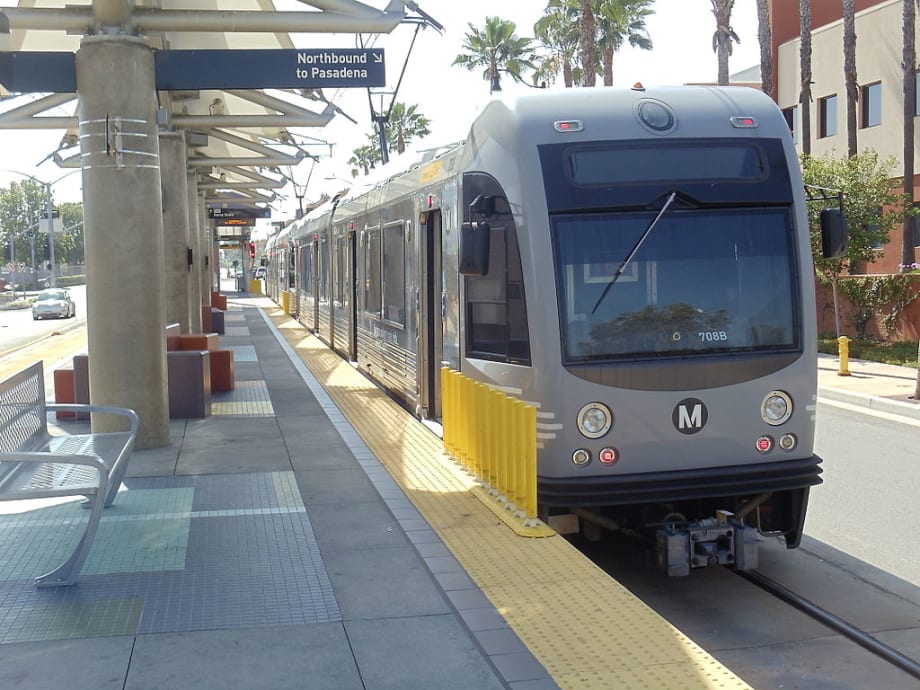
Six major L.A. Metro expansion projects received funding, including light rail extensions to Torrance and Montclair and additional rapid transit service along congested corridors.
LA Metro
Six major L.A. Metro expansion projects received funding, including light rail extensions to Torrance and Montclair and additional rapid transit service along congested corridors.
LA Metro
The California State Transportation Agency (CalSTA) announced 28 recipients for more than $2.6 billion in Transit and Intercity Rail Capital Program (TIRCP) grants for transformative transit and rail projects. CalSTA is also providing additional funding for seven critical projects through multi-year funding agreements, bringing the total awarded to over $4.3 billion.
TIRCP funding is provided through Senate Bill 1 (SB 1) and from the proceeds of the Cap and Trade program. The program provides major benefits towards meeting the state’s climate and air quality goals, with a total reduction of more than 32 million tons of greenhouse gas emissions.
“The projects selected for this round of Transit and Intercity Rail Capital Program grants make great strides in helping California transform the state transportation system,” said CalSTA Secretary Brian Annis. “This investment of SB1 revenue and Cap and Trade dollars will help us reduce harmful emissions, expand mobility options and create jobs statewide.”
This multi-year funding program provides project funding for 28 projects, with a total cost exceeding $18 billion. These projects will provide significant benefits to Californians through expanded transit and rail offerings that are faster, more frequent, and more reliable.
Pivotal Improvements for Southern California Region– Investment is focused on critical projects to prepare Los Angeles and the Southern California region for the 2028 Olympic Games with six major L.A. Metro expansion projects receiving funding including light rail extensions to Torrance and Montclair and additional rapid transit service along congested corridors. Additional funding will go toward improving regional commuter and intercity rail to make Pacific Surfliner and Metrolink services faster and more reliable through major investments including track improvements at Los Angeles Union Station.
Better Connections for the Bay Area – Projects establish the San Jose Diridon station as a Bay Area Regional hub by completing the funding for BART to San Jose, creation of new SamTrans express bus routes along the congested US-101 corridor and new rail service to Salinas and Monterey, and continued support for Caltrain electrification with funding for additional electric trainsets. TIRCP invests in additional new rail vehicles for BART and SF Muni to improve service and reduce train crowding during peak service, and funding for SMART train extensions to connect with Larkspur ferry service and Windsor. Also provides funding for zero-emission vehicles for SolanoExpress and AC Transit.
Transforming the Central Valley – Supports the creation of an integrated ACE and San Joaquin rail system, increasing service frequency in the Central Valley while providing new service connections to Ceres and Sacramento. Provides funding for zero-emission bus purchases for Fresno, light rail service improvements for Sacramento Regional Transit, and establishes a new zero-emission intercity bus service connecting the North State to Sacramento.
The awards are part of SB 1’s $7.6 billion investment in transit projects. In January, CalSTA awarded $51.9 million in State Rail Assistance program funding which focused on projects that improve commuter and intercity rail service across the state, reduce air pollution, and ease traffic congestion.
To view a complete list of projects, click here.
More Rail
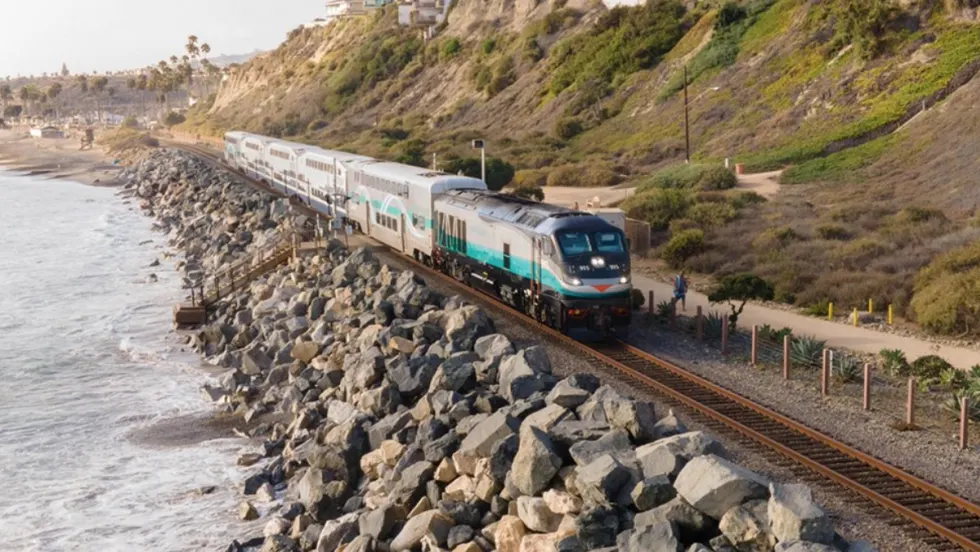
OCTA Finalizes 30-Year Strategy to Protect Coastal Rail Corridor
The agency approved its coastal rail resiliency study and will begin developing projects to protect seven miles of railroad as emergency stabilization efforts continue.
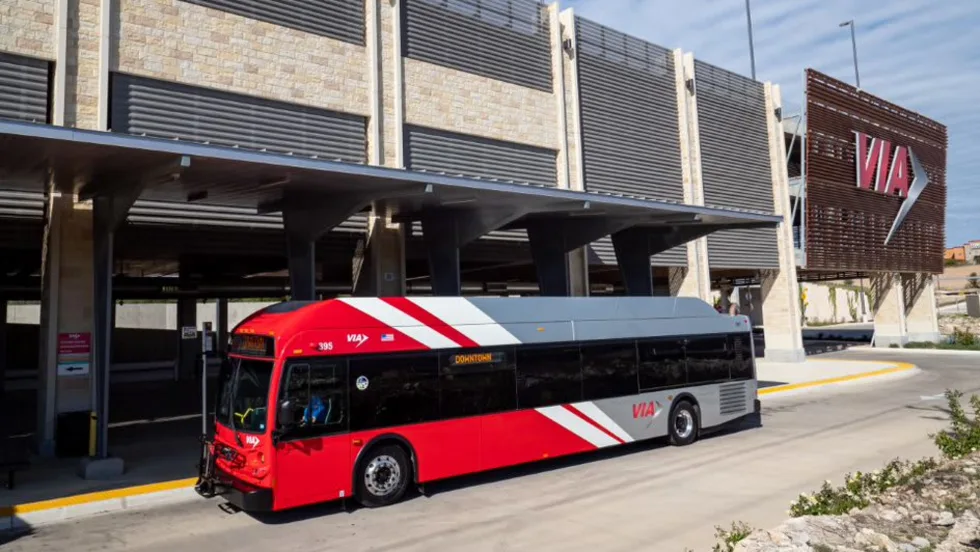
VIA, MBTA Reach Pre-Pandemic Ridership Milestones as Transit Use Climbs
VIA surpasses three million monthly trips for the first time since 2020, while the MBTA tops one million average weekday trips as both agencies report continued ridership growth.

People Movement: Metrolink's Kettle Announces Retirement, Feakins to CEO at UZURV, and More
In this edition, we also cover recent appointments and announcements at King County Metro, SilverRide, and more, showcasing the individuals helping to shape the future of transportation.
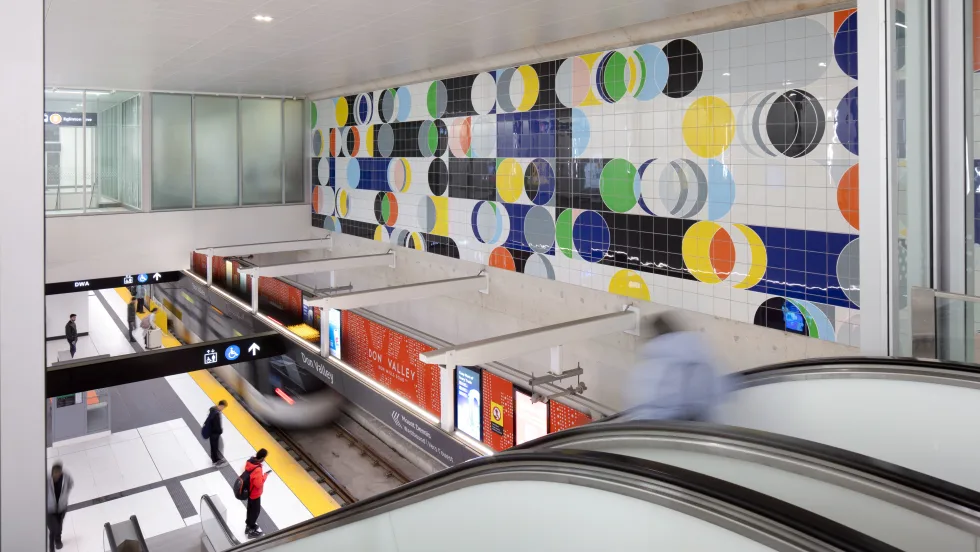
How Gen Z's Changing Mobility Habits Are Reshaping Public Transit
As younger generations embrace multimodal mobility over private vehicles, transit agencies can rethink station design, the passenger experience, and public transportation's role in building connected communities.
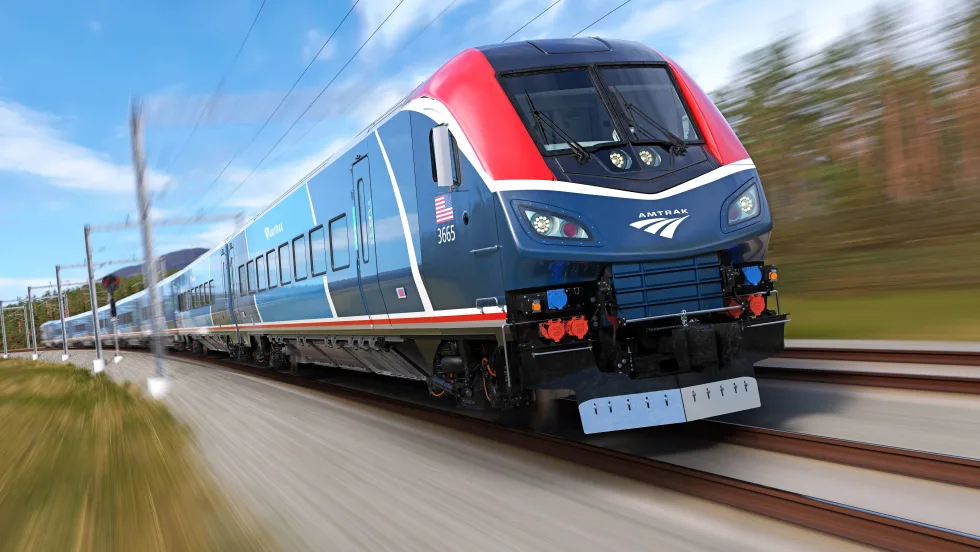
Amtrak Expands Airo Fleet with Eight Higher-Capacity Trainsets
The new 10-car trains, expected to enter service in 2031, will provide about 34% more seating capacity to meet growing demand on the Northeast Corridor.

APTA Urges FTA to Withdraw Proposed Capital Investment Grants Guidance
The association warns that proposed changes could delay transit projects, reduce federal funding, and create new hurdles for 47 projects currently in the CIG pipeline.
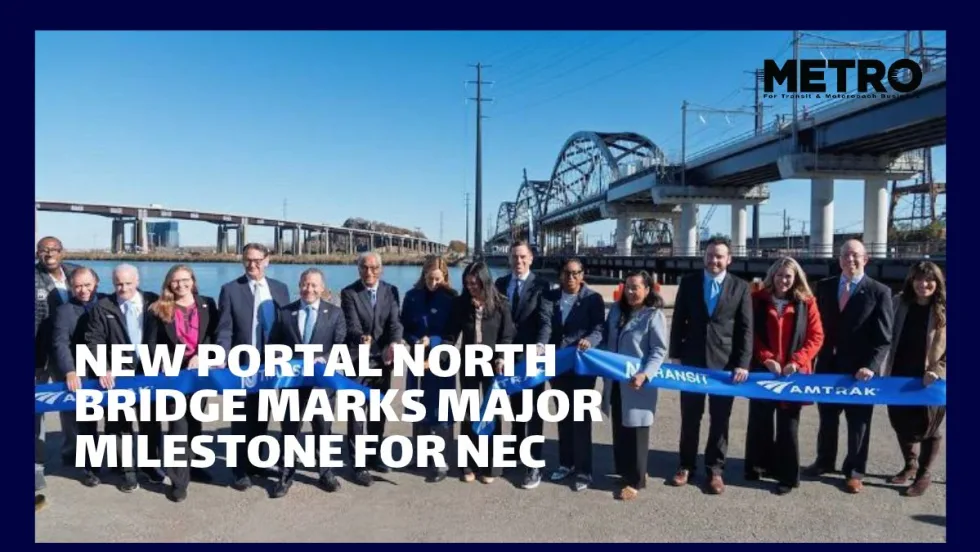
Amtrak, NJ TRANSIT Launch Full Service on New Portal North Bridge
The completion of the two-track bridge over the Hackensack River eliminates a longstanding source of delays for NJ TRANSIT and Amtrak customers. It marks a major milestone for the Gateway Program.
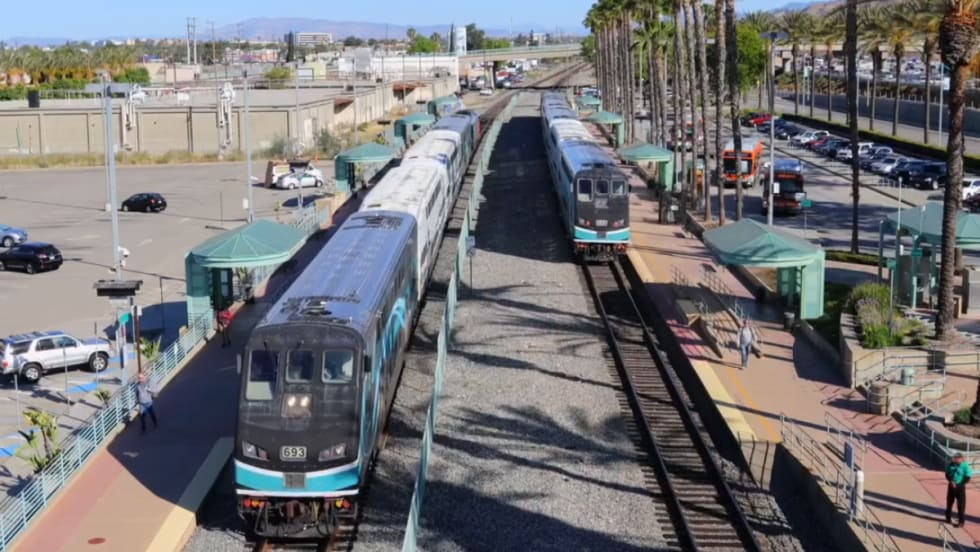
Southern California’s Metrolink Approves $508.8M Budget, Avoids Service Cuts
A $20 million state allocation allows the regional rail agency to maintain existing weekday and weekend service through fiscal year 2028, although longer-term funding challenges remain.
NJ TRANSIT Approves $65.6M for Hudson-Bergen Light Rail Improvements
The funding marks the first phase of a planned $250 million investment over five years to modernize stations, overhaul vehicles, and improve system reliability and passenger safety.

STraffic Expands North American Presence with Fare Collection Technology
John Moon, Associate Director, Product Strategy at STraffic, discusses the company's growth in North America, its efforts to reduce fare evasion, and more.