



Caltrain plan suggests ridership could increase 300% by 2040
The projections were part of an unconstrained assessment of the market for rail service along the Caltrain corridor.

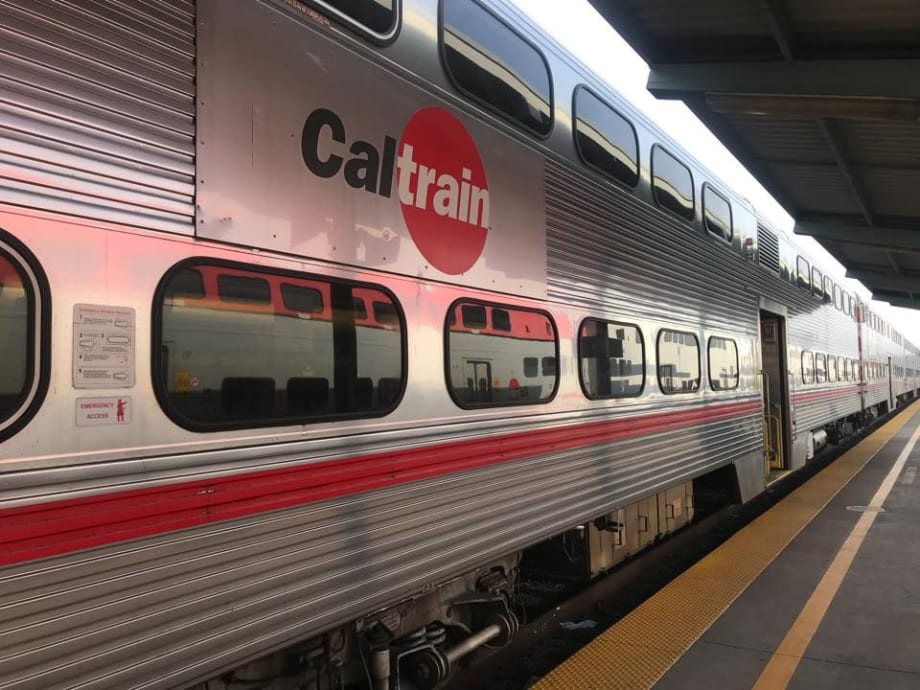
Electrification of the Caltrain system is currently underway, and creates the potential for increased service levels and enhanced frequency.
Via Facebook

As work continues on the development of the Caltrain Business Plan, projections of potential future demand show that by 2040 as many as 250,000 customers would want to ride the train if service were frequent and abundant — a nearly 300% increase over the number of passengers carried by the system today.
An update on the development of the Business Plan provided to the Caltrain Board of Directors shows that significantly increased Caltrain service could capture ridership demand that increases from 65,000 daily riders in 2018, to 243,000 daily riders in 2040. The projections were part of an unconstrained assessment of the market for rail service along the Caltrain corridor. Over the coming months, the Business Plan will analyze the choices the railroad will face as it considers options for growing service to meet this expanded demand.
The Business Plan will be completed with input from communities along the corridor through monthly and public meetings, and is anticipated to be a year-long process.
Electrification of the Caltrain system is currently underway, and creates the potential for increased service levels and enhanced frequency. When the Business Plan is complete next year, it will include a Service Vision that details how the system will grow over time, taking advantage of the potential that an electrified system provides.
Over the last 10 years, Caltrain has seen unprecedented ridership growth at an average of 6% per year and even before the Business Plan is complete, Caltrain is taking steps to increase capacity to accommodate current and future demand. The board reviewed plans to invest recently approved state gas tax revenues in the purchase of 37 new electric train cars. Electric trains, already in production, are set to replace 75% of the system’s current diesel fleet. The 37 additional cars will allow the system to replace more diesel trains and extend the electric trains from six cars to seven cars.
Electric trains are planned to begin operation in 2022.
Background
The Business Plan’s strategy and scope, which was approved by the Joint Powers Board (JPB) in February, will define the long-term vision for the fast-growing commuter rail system that connects San Francisco and Silicon Valley. The JPB is collaborating with policymakers, stakeholders, Caltrain riders, and community members to make sure the Caltrain Business Plan considers everyone’s needs.
The Caltrain Business Plan will allow the railway to identify a service model that supports long-term regional job and population growth, and surging ridership demand. This work will involve an exploration of economic, policy, and technical approaches that will provide a better understanding of passenger needs and opportunities to maximize the value of Caltrain for local communities.
The plan will also look at long-range opportunities to integrate regional rail services that could traverse and connect to the Caltrain corridor. The final business plan will include specific targets for service and capacity growth that will describe how Caltrain should grow to meet market demand.
Work on the Caltrain Business Plan began in 2017 after the agency awarded contracts for construction of the Caltrain Electrification project that allows the system to replace decades-old diesel equipment with modernized electric trains. When complete, Caltrain Electrification will immediately improve the system’s capacity, service frequency, and travel times, but the strategies recommended in the final Business Plan will need to be implemented to fully realize the benefits that electrification makes possible.
More Rail

Biz Briefs: STV teams with Amtrak, Motorcoach Operators Boost Fleet and Land Contracts, and More
From manufacturers and suppliers to transit agencies and motorcoach operators, these updates offer a snapshot of the projects, partnerships and business moves driving the industry forward.
Read More →
Metra Celebrates 100 Years of Electric Rail, Looks to the Future
The event was also a celebration of recent reforms to public transportation in the Chicago area, changes that could be as transformative in the future as the major civic achievement a century ago, said officials.
Read More →
LA Metro Marks Banner Year, Sets Ambitious Goals for New Fiscal Year
Incoming LA Metro Board Chair and Los Angeles Mayor Karen Bass joined outgoing Board Chair Fernando Dutra and LA Metro CEO Stephanie Wiggins to review accomplishments from fiscal year 2026, which included the opening of new rail extensions, advancement of major transit projects, expanded safety programs, and new rider amenities.
Read More →
DART Taps Nathaniel P. Ford Sr. as Next President/CEO
Since 2012, Ford has served as the CEO of the Jacksonville Transportation Authority
Read More →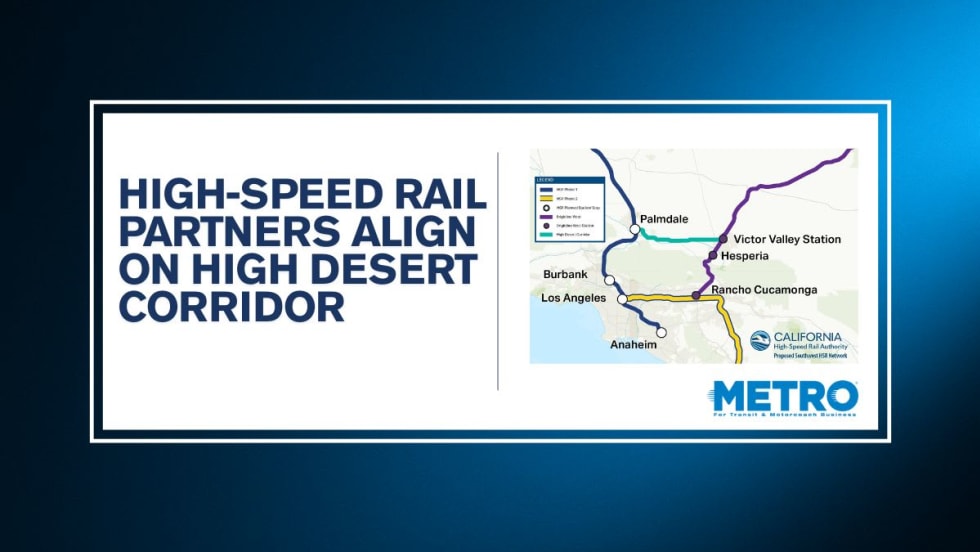
California High-Speed Rail Authority Signs MOU to Advance High Desert Corridor
The agreement deepens collaboration between the California High-Speed Rail Authority and the High Desert Corridor Joint Powers Agency, supporting design integration, cost savings, and faster delivery of a key Southern California rail link.
Read More →
Building the Next Generation of Transit Technology
In this edition of METROspectives, Luminator CEO Magnus Friberg discusses the company's transformation, the growing role of AI and software, and what's next for transit technology.
Read More →
How Data, Strategy, and Community Engagement Are Reshaping Transit
In this edition of METROspectives, strada360 CEO Steve Lassey discusses how transit agencies can better align planning with operations, leverage data to improve decision-making, and build public trust as they prepare for the future of mobility.
Read More →
TTC Launches Camera Pilot to Curb Illegal Passing of Streetcars
During the pilot, the cameras will measure how often illegal streetcar passing occurs and test the technology's reliability for future automated enforcement.
Read More →
NJ TRANSIT Secures Capital Funding, Adopts FY2027 Budget
The budgets continue investments in infrastructure and equipment to maintain the system in a state of good repair and enhance the overall customer experience.
Read More →
Biz Briefs: Masabi Teams with St. Louis Metro and More
In METRO's latest installment, we take a look at recent news from Transdev, Hitachi, and more partnerships making headlines across the transportation sector.
Read More →