




RELATED: NTSB photos: Amtrak train #188 derailment site in Philadelphia
Amtrak ordered to improve safety along NEC route, seeks PTC approval
The passenger rail operator is seeking expedited FCC approval to equip the site of the Philadelphia dertailment with positive train control technology.
May 19, 2015

Photo: NTSB
3 min to read
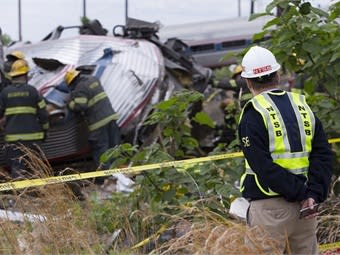
Photo: NTSB
Following last week’s derailment in Philadelphia, the Federal Railroad Administration (FRA) has instructed Amtrak to immediately take several actions to improve safety along its Northeast Corridor (NEC), according to a press release issued Monday.
“We are continuing to work with the NTSB to understand exactly what happened on Tuesday so we can prevent this type of devastating accident from ever happening again,” U.S. Transportation Secretary Anthony Foxx said. “While we do not yet know everything that happened, we do know — without question — that protecting rail passengers is our top priority. The actions we have instructed Amtrak to take are aimed at improving safety on this corridor immediately, but we won’t hesitate to require the railroad to do more to improve safety as the accident’s causes become clearer.”
The FRA instructed Amtrak to take the following actions, which will be formalized in the coming days via an Emergency Order:
Technology to control train speeds: Automatic Train Control – ATC – is currently in use for southbound trains at and near the derailment site to enforce speed restrictions. Amtrak has been ordered to immediately ensure that same technology is in use to enforce speed restrictions for northbound trains. ATC detects when a train is traveling above the speed limit, sending a signal to the engineer. If the engineer fails to act to slow the train down, ATC will automatically apply the train’s brakes.
Assess risk at all curves on NEC: Amtrak has been ordered to analyze all curves on the NEC to assess risk. In areas where approach speed is significantly higher than curve speed, the appropriate technology intended to prevent over-speed derailments must be implemented immediately. Amtrak must also take a new look at all curves along the corridor and determine if more can be done to improve safety in any of these areas. Amtrak will report back to the Federal Railroad Administration with its findings.
Speed limit signage: Amtrak must increase its wayside signage alerting engineers and conductors of the maximum authorized speed throughout the NEC. Increasing the amount and frequency of signage provides a redundant means to remind engineers and conductors of the authorized speed, in addition to information they receive from the ATC system and other operations documents.
These are just initial steps, but we believe they will immediately improve safety for passengers on the Northeast Corridor,” said Acting Federal Railroad Administrator Sarah Feinberg. “While full implementation of Positive Train Control is the most important step that must be taken to improve safety, it is not the only action that we will require of Amtrak and other railroads. As we learn more from the ongoing investigation into this derailment, we will take additional steps and enforcement actions as necessary.”
--------------------------------------------------------------------------------------------------------------------
WASHINGTON, D.C. — Reuters reported that Amtrak is seeking expedited approval to equip the Philadelphia site of last week's high-speed derailment with positive train control (PTC) technology that could have prevented the fatal crash.
The passenger rail operator told the Federal Communications Commission (FCC) last Thursday that it would ask for special temporary authority to use a radio frequency needed to operate PTC, in "the accident area," an FCC document shows, the report said.
Amtrak said previous efforts to obtain the radio bandwidth had been thwarted. In a blog posted over the weekend, the rail operator said litigation and regulatory proceedings "obstructed" its attempts to purchase frequencies on the open market between 2010 and 2014, according to Reuters. For the full story, click here.
Also on Monday, the NTSB said that the FBI found no evidence of damage caused by a firearm to the windshield of derailed Amtrak 188. For the full story, click here.
More Security and Safety

Transit Agencies Highlight Safety Gains at National Summit
Leaders from 15 major transit systems shared crime-reduction results and safety initiatives while discussing the role of continued federal support.
Read More →
DART Launches Major Security, Fare Enforcement Initiative
The 90-day demonstration will deploy coordinated security teams at five light rail stations while testing controlled access and gathering data to guide future investments.
Read More →
RTD Launches NextRide App to Consolidate Trip Planning, Fares, Security Reporting
The app expands on RTD’s existing NextRide web application and allows customers to view real-time vehicle locations and service alerts, purchase and store digital fares, and access customer support.
Read More →
TAPTCO Updates OSHA Compliance Training for Transit Maintenance Operations
The revamped program addresses 26 OSHA standards for maintenance facilities, with TAPTCO pointing to training, documentation, and everyday shop hazards as continuing challenges for transit operations.
Read More →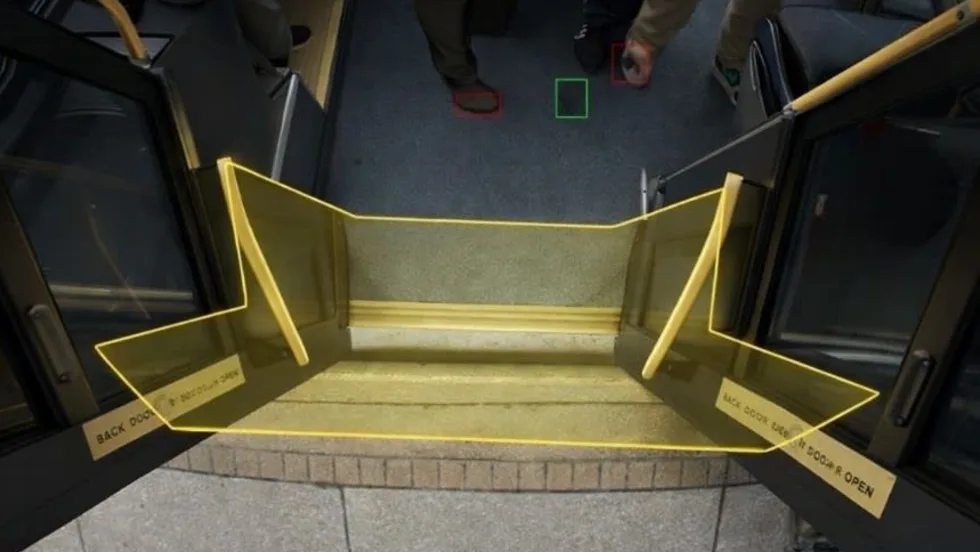
Sponsored•August 18, 2026
How VaporVision Adds Value to Transit Door Systems
Wabtec engineers explain how the system improves doorway detection, strengthens diagnostics and gives transit agencies and OEMs greater operating flexibility.
Read More →
FRA Announces $5.3B in Rail Investments, Including $2B for Amtrak
Funding will support grade-crossing improvements, infrastructure upgrades, and new Amtrak equipment in 23 states.
Read More →
Chicago, Maryland Expand Non-Law-Enforcement Safety, Rider Support
The CTA and MTA are launching new programs aimed at de-escalation, crisis response, rider assistance, and greater transparency.
Read More →
LA Metro, City of West Hollywood, and Partners Advance Smarter Bus Lane Enforcement
The award-winning partnership combines AI-powered detection with human oversight to improve bus reliability, accessibility, and enforcement efficiency.
Read More →
LA Metro Reports 57% Decline in Homelessness on Transit System Since 2024
The agency's latest homelessness count offers new data on how care-based services and cross-sector partnerships can complement traditional transit security strategies.
Read More →
FTA Launches 'Transit Moves America' Dashboard to Highlight Agency Safety and Performance
The online dashboard transforms National Transit Database information into a public-facing resource that allows users to compare transit agencies on key operational and safety metrics.
Read More →