



Calif.'s Metrolink operating PTC on 341 miles of agency-hosted lines
Following approval from the Federal Railroad Administration (FRA), Metrolink began operating PTC RSD on the last of Metrolink's hosted rail system on June 14. RSD simply means trains in revenue service or in Metrolink's case, with passengers on board.

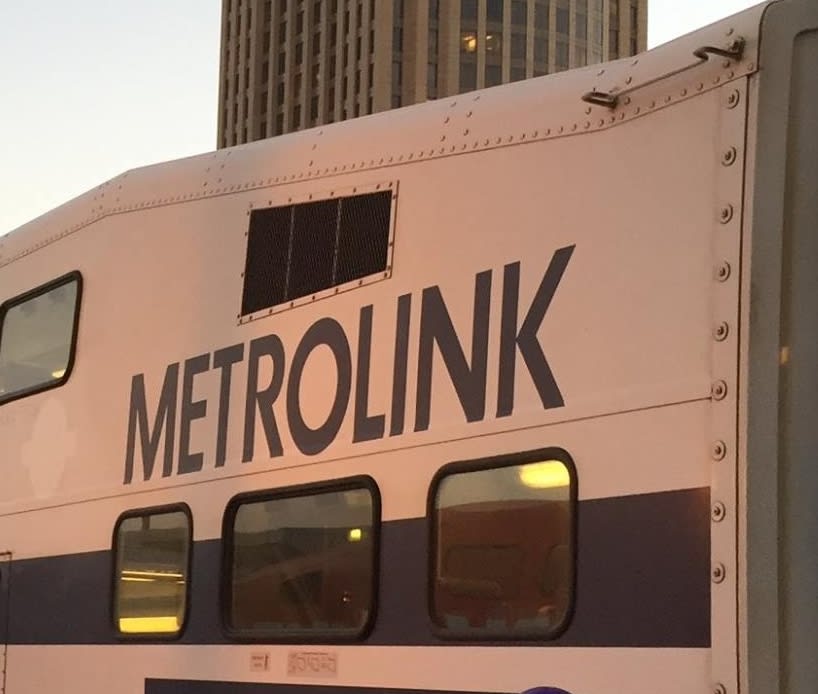
Calif.’s Metrolink launched positive train control (PTC) in Revenue Service Demonstration (RSD) across the entire 341-mile network the agency owns earlier this month. With this latest accomplishment, Metrolink becomes the first railroad in the nation to have PTC running during regular service on all of its hosted lines and remains on track to become the nation's first passenger rail system to have a fully operational, interoperable and certified PTC system in place.
Following approval from the Federal Railroad Administration (FRA), Metrolink began operating PTC RSD on the last of Metrolink's hosted rail system on June 14. RSD simply means trains in revenue service or in Metrolink's case, with passengers on board.
"This is a time for us to pause, acknowledge how far we've come, and then double our efforts," said Chair of the Metrolink Board of Directors Shawn Nelson, who is also an Orange County supervisor. "From the beginning, our agency was committed to have our entire system fully operable with PTC before the December 2015 federal deadline."
Nelson also appreciated the Metrolink board of directors' commitment to enhancing the safety of its passengers by embracing PTC and becoming an early implementer of the life-saving technology, along with inward-facing cameras and collision energy management.
"The collaborative effort to make PTC a reality in Southern California is a tremendous undertaking. It is only with the support and diligence of our member agencies and our delegation advocating tirelessly on our behalf that we have reached this point," said Metrolink CEO Art Leahy.
Leahy added Metrolink's gratitude for the support of its local, state and federal legislative delegation and federal partners such as the Federal Transit Administration, the Federal Communications Commission and the National Transportation Safety Board.
The FRA has authorized Metrolink to operate PTC RSD using Wabtec's Interoperable Electronic Train Management System (I-ETMS) ®. Wabtec's I-ETMS® PTC System was selected by the four Class One freight railroads and by Amtrak outside of the northeast corridor as well as other commuter railroads including Metra and Coaster.
Parsons Transportation Group Inc., a business unit of Parsons Corp., is the primary contractor managing Metrolink's PTC program.
The current cost for developing, installing and deploying PTC on the Metrolink system is $216.4 million. The funding comes from a combination of federal, state and local sources. Approximately 85% of the funds come from state and local dollars. Investments were also made to upgrade and expand the existing communication network, which is necessary for PTC and other modern railroad operations.
Metrolink's PTC program is a significant undertaking that requires developing, testing, installing, and integrating an array of advanced systems and components. Aspects of the program include: the deployment on a back-office server system and new PTC-compatible computer-aided dispatch system; installation of on-board PTC equipment on 57 cab cars and 52 locomotives; installing signal communication devices at 168 wayside locations; and implementing a six-county specialized communication network to link the wayside signals, trains, and a new 24,000 square foot security-enhanced building to house the command and control equipment and personnel to dispatch the railroad at all times.
More Security and Safety

Transit Agencies Highlight Safety Gains at National Summit
Leaders from 15 major transit systems shared crime-reduction results and safety initiatives while discussing the role of continued federal support.
Read More →
DART Launches Major Security, Fare Enforcement Initiative
The 90-day demonstration will deploy coordinated security teams at five light rail stations while testing controlled access and gathering data to guide future investments.
Read More →
RTD Launches NextRide App to Consolidate Trip Planning, Fares, Security Reporting
The app expands on RTD’s existing NextRide web application and allows customers to view real-time vehicle locations and service alerts, purchase and store digital fares, and access customer support.
Read More →

TAPTCO Updates OSHA Compliance Training for Transit Maintenance Operations
The revamped program addresses 26 OSHA standards for maintenance facilities, with TAPTCO pointing to training, documentation, and everyday shop hazards as continuing challenges for transit operations.
Read More →
How VaporVision Adds Value to Transit Door Systems
Wabtec engineers explain how the system improves doorway detection, strengthens diagnostics and gives transit agencies and OEMs greater operating flexibility.
Read More →
FRA Announces $5.3B in Rail Investments, Including $2B for Amtrak
Funding will support grade-crossing improvements, infrastructure upgrades, and new Amtrak equipment in 23 states.
Read More →
Chicago, Maryland Expand Non-Law-Enforcement Safety, Rider Support
The CTA and MTA are launching new programs aimed at de-escalation, crisis response, rider assistance, and greater transparency.
Read More →
LA Metro, City of West Hollywood, and Partners Advance Smarter Bus Lane Enforcement
The award-winning partnership combines AI-powered detection with human oversight to improve bus reliability, accessibility, and enforcement efficiency.
Read More →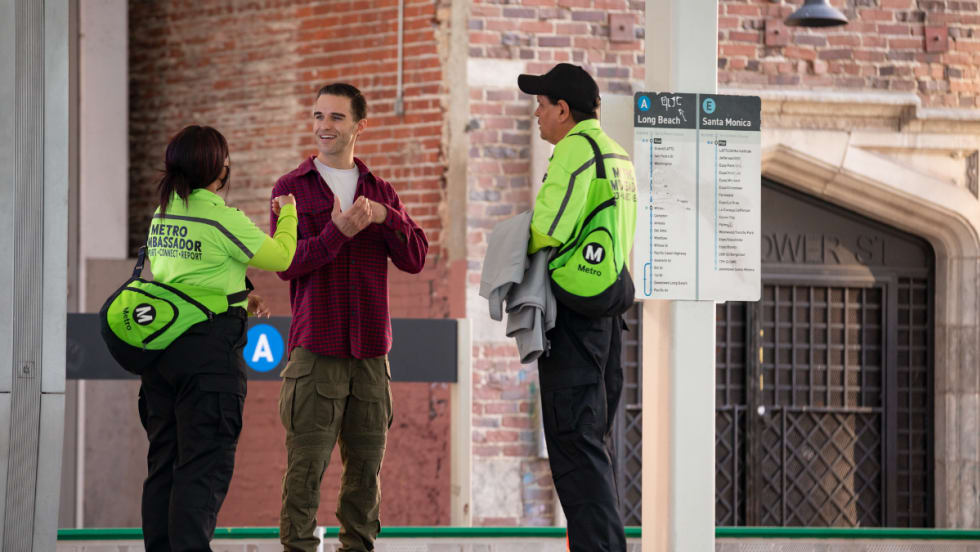
LA Metro Reports 57% Decline in Homelessness on Transit System Since 2024
The agency's latest homelessness count offers new data on how care-based services and cross-sector partnerships can complement traditional transit security strategies.
Read More →
FTA Launches 'Transit Moves America' Dashboard to Highlight Agency Safety and Performance
The online dashboard transforms National Transit Database information into a public-facing resource that allows users to compare transit agencies on key operational and safety metrics.
Read More →