



FRA identifies railroad crossings with most incidents over last decade
The list includes 15 crossings where 10 or more incidents have occurred during the last decade, with five of the crossings on the list in the state of Arizona, which accounted for a total of 89 incidents and 14 injuries.

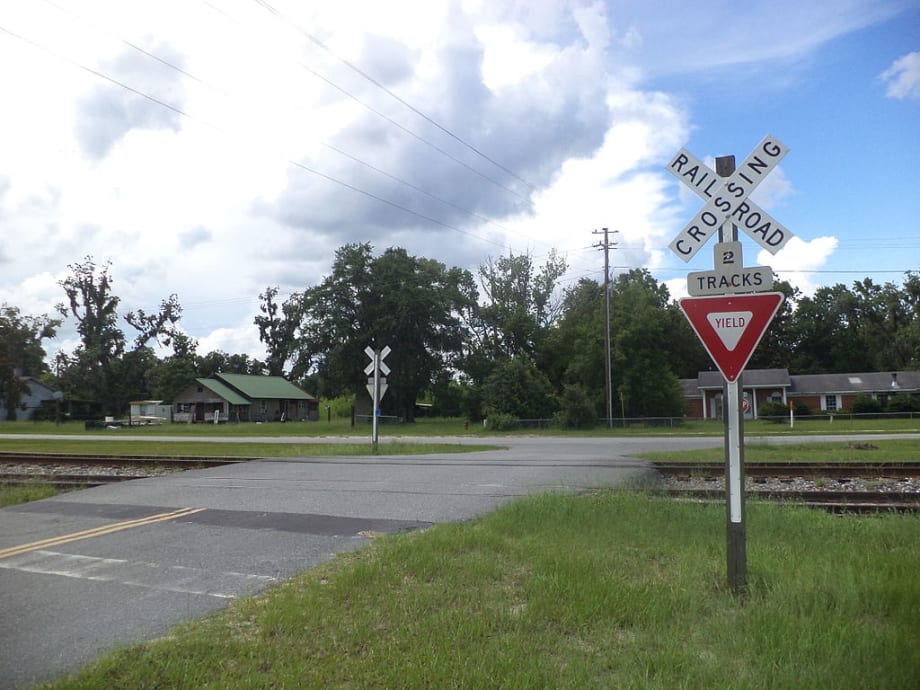
Michael Rivera
Michael Rivera
As the next step in its ongoing efforts to increase safety at railroad crossings, the Federal Railroad Administration (FRA) released a list of railroad crossings in the U.S. where multiple incidents have occurred in recent years.
The list includes 15 crossings where 10 or more incidents have occurred during the last decade, with five of the crossings on the list in the state of Arizona, which accounted for a total of 89 incidents and 14 injuries.
The list follows FRA Administrator Sarah E. Feinberg’s recent letter to state DOT secretaries. The letter urged increased cooperation to improve safety at crossings and provided a detailed round up of federal financial resources and FRA expertise available to states.
“Knowing where repeat injuries and fatalities occur helps states focus their time and resources on areas where they can have an impact,” said U.S. Transportation Secretary Anthony Foxx. “Preventing incidents and fatalities at railroad crossings is one of the Department’s top priorities, and I urge states to work with FRA to achieve this life-saving goal.”
FRA tracks safety data at the nation’s more than 200,000 railroad crossings. FRA data show there are 15 crossings across the U.S. where at least 10 incidents occurred over the last decade. While fatalities have not occurred at all 15 crossings, the potential for injuries and loss of life could be significant due to repeated incidents.
Many of the 15 crossings are at busy, multiple lane intersections in neighborhoods with significant truck traffic or have tracks crossings roadways on a diagonal. Many crossings close to a traffic intersection also have their warning systems interconnected to traffic lights. If sequenced and working correctly, these interconnected systems can help prevent vehicles from stopping over railroad tracks where there is limited roadway between the tracks and the nearby intersection, accordign to FRA.
In February, FRA reissued a safety advisory and sent a letter that called on states to partner with railroads to verify that these interconnected systems account for current highway traffic patterns. Fifty percent of the crossings on FRA's list have interconnected systems.
“I urge our state partners to join FRA in taking additional actions to improve crossing safety. I know that, together, we can do more to save lives,” Administrator Sarah E. Feinberg wrote to states in a letter. “FRA is ready and willing to help our partners in any way we can.”
Last year, FRA launched a new, comprehensive campaign to reverse the uptick in fatalities at railroad crossings. The campaign includes partnering with tech companies to use FRA data that pinpoints the country’s approximately 200,000 railroad crossings and add crossing alerts to map applications.
FRA has also worked with local law enforcement to increase enforcement around railroad crossings. In 2015, 244 individuals died at railroad crossings, down from 264 in 2014.
In March, FRA launched a redesigned website to serve as a one-stop shop to help drivers, pedestrians and law enforcement stay safe around railroad crossings. The launch follows the agency’s award of nearly $10 million in grants for nine projects in eight states to upgrade and increase the safety of railroad crossings along energy routes.
More Security and Safety

Transit Agencies Highlight Safety Gains at National Summit
Leaders from 15 major transit systems shared crime-reduction results and safety initiatives while discussing the role of continued federal support.
Read More →
DART Launches Major Security, Fare Enforcement Initiative
The 90-day demonstration will deploy coordinated security teams at five light rail stations while testing controlled access and gathering data to guide future investments.
Read More →
RTD Launches NextRide App to Consolidate Trip Planning, Fares, Security Reporting
The app expands on RTD’s existing NextRide web application and allows customers to view real-time vehicle locations and service alerts, purchase and store digital fares, and access customer support.
Read More →

TAPTCO Updates OSHA Compliance Training for Transit Maintenance Operations
The revamped program addresses 26 OSHA standards for maintenance facilities, with TAPTCO pointing to training, documentation, and everyday shop hazards as continuing challenges for transit operations.
Read More →
How VaporVision Adds Value to Transit Door Systems
Wabtec engineers explain how the system improves doorway detection, strengthens diagnostics and gives transit agencies and OEMs greater operating flexibility.
Read More →
FRA Announces $5.3B in Rail Investments, Including $2B for Amtrak
Funding will support grade-crossing improvements, infrastructure upgrades, and new Amtrak equipment in 23 states.
Read More →
Chicago, Maryland Expand Non-Law-Enforcement Safety, Rider Support
The CTA and MTA are launching new programs aimed at de-escalation, crisis response, rider assistance, and greater transparency.
Read More →
LA Metro, City of West Hollywood, and Partners Advance Smarter Bus Lane Enforcement
The award-winning partnership combines AI-powered detection with human oversight to improve bus reliability, accessibility, and enforcement efficiency.
Read More →
LA Metro Reports 57% Decline in Homelessness on Transit System Since 2024
The agency's latest homelessness count offers new data on how care-based services and cross-sector partnerships can complement traditional transit security strategies.
Read More →
FTA Launches 'Transit Moves America' Dashboard to Highlight Agency Safety and Performance
The online dashboard transforms National Transit Database information into a public-facing resource that allows users to compare transit agencies on key operational and safety metrics.
Read More →