




RELATED: NJ Transit to install inward-facing cameras on trains
Metra to install inward-facing locomotive cameras
Congress in 2015 ordered the DOT to draft rules within two years to require passenger railroads to install inward-facing and outward-facing cameras in all locomotives and other operating compartments such as cab cars and Highliner cars.
May 25, 2017
Metra
2 min to read
Metra
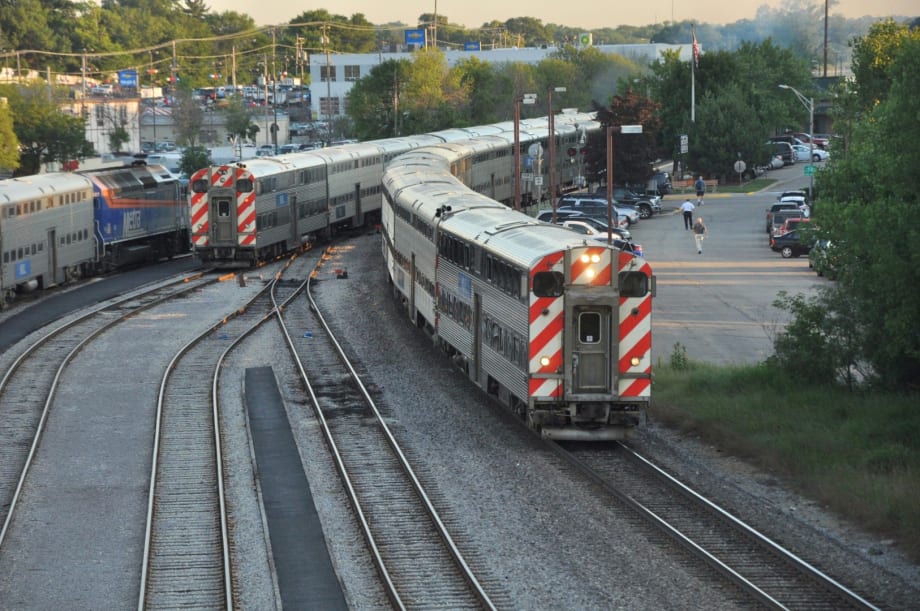
The Chicago Metra board of directors approved an $11 million contract to replace the camera system on its trains with an upgraded system that includes inward-facing cameras in the locomotives, cab cars, and Highliner cars to record the actions of engineers.
Congress in 2015 ordered the U.S. Department of Transportation to draft rules within two years to require passenger railroads to install inward-facing and outward-facing cameras in all locomotives and other operating compartments such as cab cars and Highliner cars. Those rules are expected from the Federal Railroad Administration by the end of 2017.
“At Metra, safety is our highest priority, and we are pleased to be moving forward with this safety feature before the requirement takes effect,” said Metra Executive Director/CEO Don Orseno. “These cameras will give us another tool to ensure we are operating as safely as possible.”
The new system will include recorders, forward-facing cameras, rear-facing cameras, microphones, storage memory, and crash-hardened memory. It also will include inward-facing cameras in Metra’s fleet of 150 locomotives, 187 cab cars, and the 186 self-propelled Highliner cars used on the Metra Electric Line. The current camera system, which has reached the end of its useful life, does not include inward-facing cameras. The contract was awarded to Railhead Corp. of Alsip, Ill.
According to the federal legislation, the cameras are to be used to: verify that the train crew is following safety laws and operating rules and procedures; assist an investigation of an accident or incident; and document a criminal act or monitor unauthorized people in the locomotive cabs.
The National Transportation Safety Board (NTSB) has long advocated the use of cameras inside locomotive cabs as an aid in accident investigations and for use in efficiency testing and performance monitoring programs. The cameras also can help railroad management prevent accidents by identifying safety issues before they lead to injuries and loss of life by using them to develop valuable training tools, according to the NTSB.
More Security and Safety

RTD Launches NextRide App to Consolidate Trip Planning, Fares, Security Reporting
The app expands on RTD’s existing NextRide web application and allows customers to view real-time vehicle locations and service alerts, purchase and store digital fares, and access customer support.
Read More →
TAPTCO Updates OSHA Compliance Training for Transit Maintenance Operations
The revamped program addresses 26 OSHA standards for maintenance facilities, with TAPTCO pointing to training, documentation, and everyday shop hazards as continuing challenges for transit operations.
Read More →
Sponsored•August 18, 2026
How VaporVision Adds Value to Transit Door Systems
Wabtec engineers explain how the system improves doorway detection, strengthens diagnostics and gives transit agencies and OEMs greater operating flexibility.
Read More →

FRA Announces $5.3B in Rail Investments, Including $2B for Amtrak
Funding will support grade-crossing improvements, infrastructure upgrades, and new Amtrak equipment in 23 states.
Read More →
Chicago, Maryland Expand Non-Law-Enforcement Safety, Rider Support
The CTA and MTA are launching new programs aimed at de-escalation, crisis response, rider assistance, and greater transparency.
Read More →
LA Metro, City of West Hollywood, and Partners Advance Smarter Bus Lane Enforcement
The award-winning partnership combines AI-powered detection with human oversight to improve bus reliability, accessibility, and enforcement efficiency.
Read More →
LA Metro Reports 57% Decline in Homelessness on Transit System Since 2024
The agency's latest homelessness count offers new data on how care-based services and cross-sector partnerships can complement traditional transit security strategies.
Read More →
FTA Launches 'Transit Moves America' Dashboard to Highlight Agency Safety and Performance
The online dashboard transforms National Transit Database information into a public-facing resource that allows users to compare transit agencies on key operational and safety metrics.
Read More →
LA Metro Marks Banner Year, Sets Ambitious Goals for New Fiscal Year
Incoming LA Metro Board Chair and Los Angeles Mayor Karen Bass joined outgoing Board Chair Fernando Dutra and LA Metro CEO Stephanie Wiggins to review accomplishments from fiscal year 2026, which included the opening of new rail extensions, advancement of major transit projects, expanded safety programs, and new rider amenities.
Read More →
Building the Next Generation of Transit Technology
In this edition of METROspectives, Luminator CEO Magnus Friberg discusses the company's transformation, the growing role of AI and software, and what's next for transit technology.
Read More →