



Driver’s actions led to Metro-North grade crossing collision, NTSB finds
The SUV driver died, along with five passengers on the train, in the Feb. 3, 2015, accident. The rail passengers were killed when 343 feet of the third rail, which powers the train, penetrated the floor of the first train car and struck passengers.

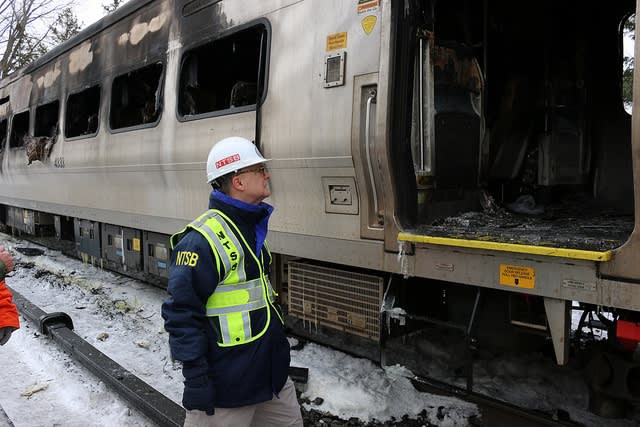
The investigation found that Metro-North’s third rail system was not constructed to fail in a controlled manner or break away when subjected to overloaded conditions such as those involved in this accident.

An SUV driver’s actions are the probable cause of a deadly 2015 collision between the SUV and a Metro-North commuter train at a grade crossing in Valhalla, N.Y., the National Transportation Safety Board found.
The SUV driver died, along with five passengers on the train, in the Feb. 3, 2015, accident. The rail passengers were killed when 343 feet of the third rail, which powers the train, penetrated the floor of the first train car and struck passengers.
The NTSB’s investigation found the driver of the SUV moved her vehicle into the path of Metro-North commuter train 659. Investigators found traffic at the Commerce Street grade crossing was congested when the driver entered the boundary of the grade crossing and stopped. The grade crossing warning system activated properly and a gate came down, striking the rear of her Mercedes-Benz ML350. Witnesses said the driver exited the vehicle and examined where the gate hit her SUV. She then got back into the driver’s seat and moved onto the railroad tracks and into the path of the oncoming train.
The train hit the vehicle at 51 miles per hour, pushing the SUV 665 feet down the track, while detaching the third rail. The introduction of sparks, flaming debris and fuel into the lead railcar started a fire.
As a result of the investigation the NTSB recommended local officials assess the safety of at-grade crossings, such as the Commerce Street crossing. The NTSB also recommended commuter railroads, like Metro North, that use third-rail power systems, at or near grade crossings, should assess their safety.
“Sadly, all of the NTSB’s work in railroad and highway safety to date did not prevent this tragic accident,’’ said Acting Chairman Robert L. Sumwalt. “But the recommendations we issued could help to avoid future tragedies. When people see railroad tracks, even at grade crossings, they need to think train, and maintain — or improve — their situational awareness. We recommended risk assessments by companies and agencies, and corrective actions as warranted by the assessment results. Any railroad passenger has the right to expect that everything possible is being done to assure their safety.”

The investigation found that Metro-North’s third rail system was not constructed to fail in a controlled manner or break away when subjected to overloaded conditions such as those involved in this accident. Also, the use of Metro-North’s current third rail system may increase the severity of railcar damage and serious injuries at grade crossing accidents.
The investigation ruled out the use of personal electronic devices or drugs and alcohol by both the SUV driver and the train engineer. Traffic signals, the performance of the train engineer, and weather and track conditions were also ruled out as issues in this crash. There was no evidence to suggest the SUV driver unintentionally drove the vehicle forward due to the unconventional design of the SUVs transmission interface.
A link to the findings, probable cause, and recommendations are available here.
More Security and Safety
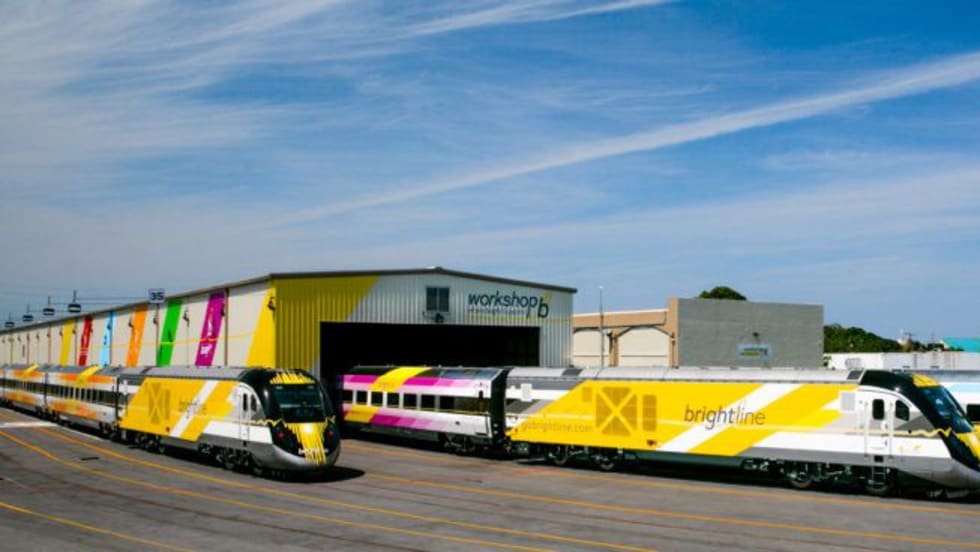
DOT: Brightline Corridor Incidents Fall 30% Following Federal Safety Upgrades
Safety improvements funded through a $25 million federal investment are credited with reducing trespassing and train-vehicle collisions along the Brightline Florida corridor.
Read More →
LA Metro Sworn Officer Recruitment Draws 950 Applications on First Day
The California agency moves safety into its next phase, recruiting officers to help shape a transit-focused, community-centered force.
Read More →
FTA Plans Family-Friendly Transit Scorecard for Agencies Nationwide
The family-friendly transit dashboard is part of a broader effort by the FTA and U.S. Department of Transportation to increase transparency, accountability, and service quality across the nation's public transportation systems, said officials.
Read More →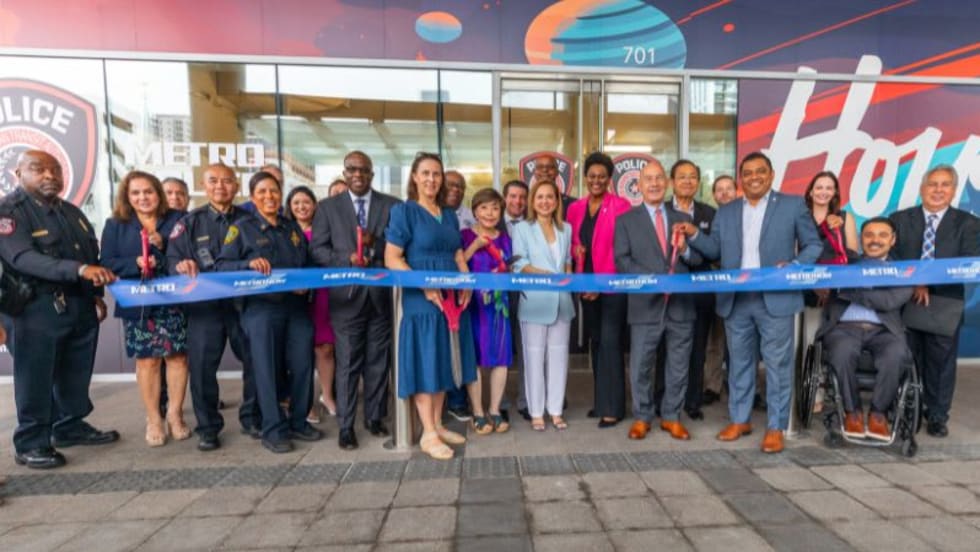
New Public Safety Hub Opens in Downtown Houston
The substation strengthens METRO Police presence in an area where transit activity, pedestrian movement, and visitor flow converge.
Read More →
SamTrans Sets Priorities for Potential Connect Bay Area Revenue
The board-approved framework allocates future funding to maintaining service, rider improvements, equity initiatives, and infrastructure repairs.
Read More →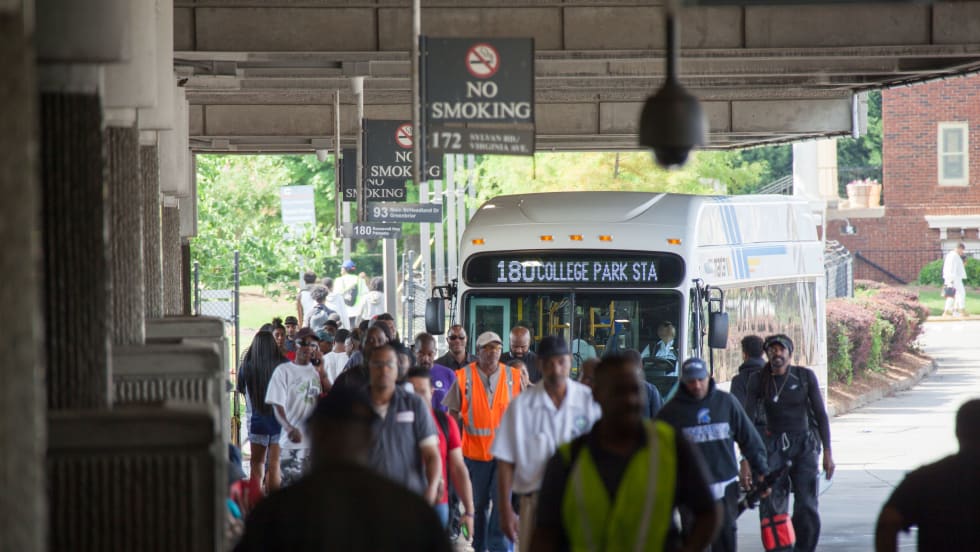
Federal Transit Officials Launch MARTA Safety Probe
FTA has given MARTA 15 days to provide records on crime prevention, fare evasion enforcement, and security funding as part of a broader safety investigation.
Read More →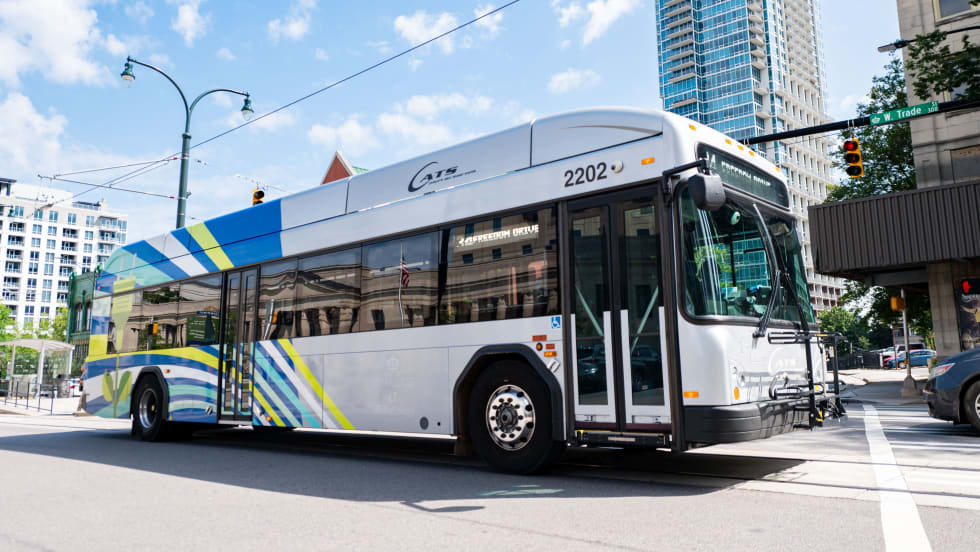
Strategic Safety Measures at CATS Lead to Drop in Transit Crime
Under the leadership of the CATS Chief Safety and Security Officer, the organization has marked a pivotal transformation.
Read More →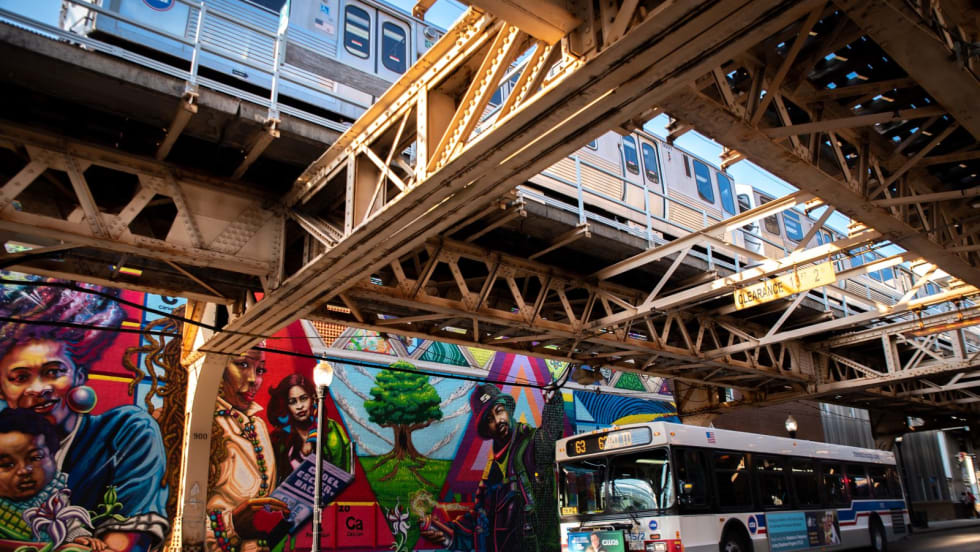
Chicago's NITA Act Moves Into Next Phase as Service Improvements Begin
Rider-focused improvements will begin rolling out across the system immediately as CTA, Metra, and Pace increase service this summer in the six-county region.
Read More →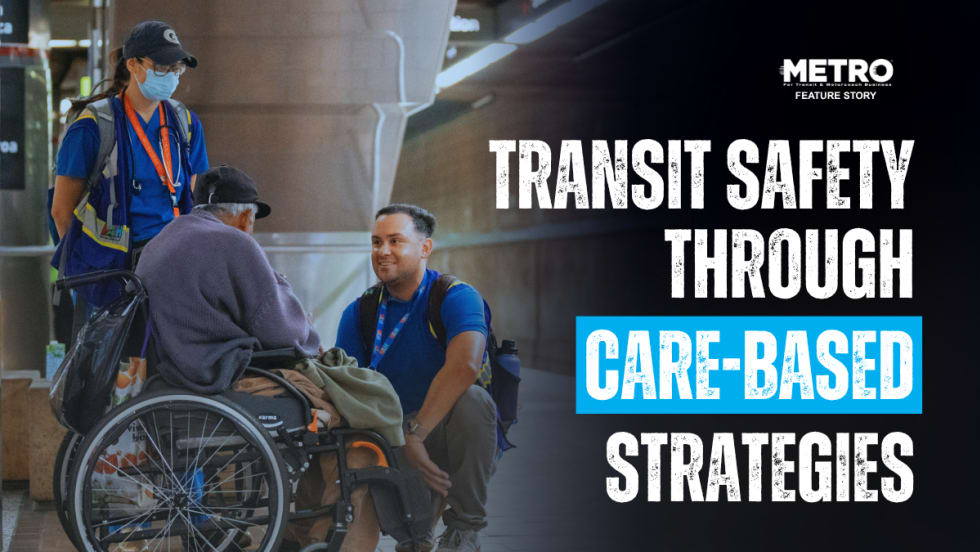
How Transit Agencies Are Evolving Enforcement-Only Models With Care-Based Safety Strategies
Transit agencies are redefining safety with care-based response models. See how leaders are improving trust and operations.
Read More →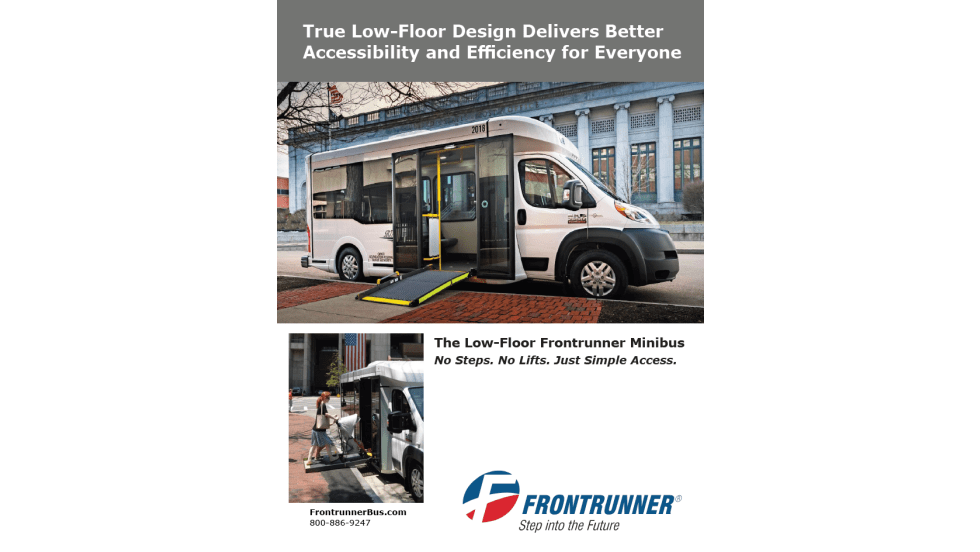
Low-Floor vs. High-Floor Cutaway vs. Modified Van: How 3 Accessible Minibus Designs Compare
As transit demands evolve, so should your fleet. Download the whitepaper to see how the Low-Floor Frontrunner Minibus compares to traditional options.
Read More →