



Commuter rail making strong progress on PTC, APTA says
Advancements reflect the commuter rail industry's commitment to safety and to implementing PTC by the statutory deadline.

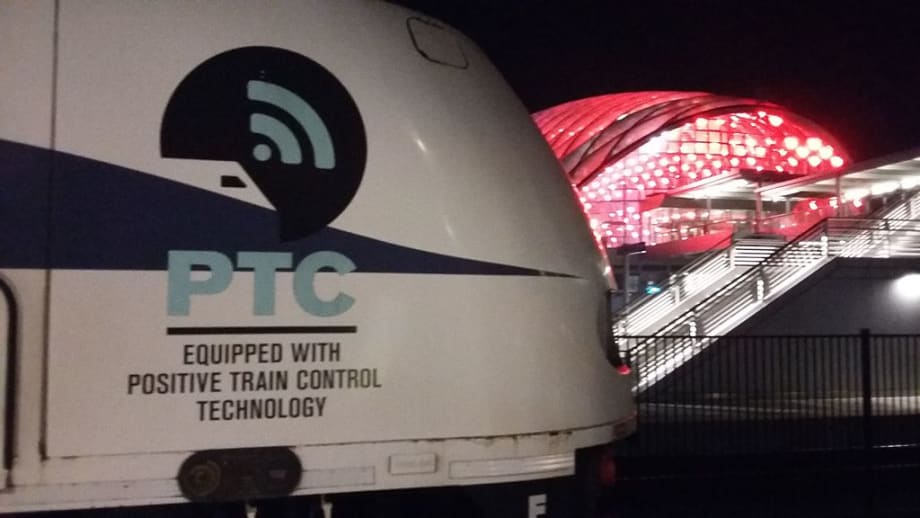
Upon reaching these milestones by the end of 2018, the commuter railroads must implement PTC as soon as practicable and no later than Dec. 31, 2020.
Upon reaching these milestones by the end of 2018, the commuter railroads must implement PTC as soon as practicable and no later than Dec. 31, 2020.
Strong and continuous progress is being made by the commuter rail industry toward installing and implementing Positive Train Control (PTC), according to an analysis by the American Public Transportation Association (APTA). These advancements reflect the commuter rail industry's commitment to safety and to implementing PTC by the statutory deadline.
The commuter rail industry is making substantial progress, and as of June 30, 2018:
91% of spectrum has been acquired.
85% of 13,698 pieces of onboard equipment have been installed on locomotives and cab cars etc.
79% of 14,083 wayside (on track equipment) installations have been completed.
78% of back office control systems are ready for operation.
74% of 14,847 employees have been trained in PTC.
34% of commuter railroads are in testing, revenue service demonstration, or are operating their trains with PTC.
"Every year, 30 commuter railroads across America safely carry passengers on 501 million trips," said APTA President/ CEO Paul P. Skoutelas. "With safety as our number one priority, the commuter railroads are making strong and continuous progress in implementing Positive Train Control."
Under current law (49 U.S.C. 20157), commuter railroads are required to meet the following milestones by Dec. 31, 2018. As defined in 49 U.S.C. 20157(a)(3)(B), they are to have:
Installed all PTC hardware (wayside and onboard equipment).
Acquired all necessary spectrum for PTC implementation.
Completed all employee training.
Initiated testing on at least one territory subject to the PTC requirement (or other criteria).
Submitted a plan and schedule to the Secretary of Transportation for implementing a PTC system.
Upon reaching these milestones by the end of 2018, the commuter railroads must implement PTC as soon as practicable and no later than Dec. 31, 2020.
"Positive Train Control is a critical commuter rail safety enhancement," said SEPTA GM Jeffrey D. Knueppel. "Implementing PTC at SEPTA, during a challenging period of capital funding, has been an authority-wide commitment. Throughout this effort, our in-house team has been working continuously with Amtrak, our freight partners, and third-party contractors to address technical and interoperability challenges. SEPTA trains on all 13 Regional Rail Lines are equipped and operating with PTC, and SEPTA is proud to have implemented this safety technology for our customers and employees."
"Implementing Positive Train Control in Chicago's dense and busy railroad network has been very challenging, but Metra is right where we said we'd be in terms of finishing the job," said Jim Derwinski, Metra's CEO/executive director. "Working with our freight partners, we expect to have PTC implemented or in revenue service demonstration on six of our 11 lines by the end of 2018, and to complete the job by 2020."
The commuter rail industry is moving aggressively to implement PTC as it faces considerable technical and financial constraints. At a time when the national transit state of good repair backlog stands at an estimated $90 billion, the commuter railroad industry's cost to implement PTC will exceed $4.1 billion, diverting funds from other critical infrastructure priorities. Since Congress mandated PTC, the federal government has awarded $272 million in PTC grants. Additionally, another $250 million was made available in May 2018.
More Security and Safety

What Transit Maintenance Facilities Should Know About Gas-Detection Placement
Proper gas-detector placement is critical to maintaining safety in transit maintenance facilities, requiring agencies to consider fleet fuel types, ventilation, shop operations, and ongoing equipment maintenance.

RTC Reports Nearly 29% Drop in Transit Operator Assaults
The Las Vegas agency credits expanded security measures, training, and technology for improved safety in FY 2026, while security officers have helped save 19 lives through overdose-response efforts.

Improving Transit Safety and Reliability Through AI
Hayden AI’s Chief Growth Officer, Charley Territo, discusses how AI-powered camera enforcement is helping transit agencies keep bus lanes and stops clear, improve accessibility, and move from pilot programs to full-scale deployments.

Study: Denver RTD Generates $2.1 Billion in Annual Economic Activity
An economic impact study finds the agency supports approximately 17,500 jobs, delivers $1.6 billion in annual community and mobility benefits, and generates $2.42 in economic value for every dollar invested.

SEPTA Launches 'Reach' Program to Connect Vulnerable Individuals with Support
The initiative deploys specialists throughout Philadelphia’s transit system to connect individuals with housing, healthcare, and social services while addressing safety and quality-of-life concerns.

LADOT to Launch Bus-Mounted Camera Enforcement on DASH Buses
The program will begin with a 60-day warning period before citations are issued in January 2027, joining similar efforts across Southern California to improve bus reliability, safety, and accessibility.
New York MTA Launches Historic $1.9B Signal, Track Modernization Project
Funded in part by congestion pricing revenue, the project will replace nearly century-old signals along the A and C lines in Brooklyn and Queens.

CSA Group Releases Climate Resilience Standard for Transit, Passenger Rail
Developed with support from the Standards Council of Canada, CSA D700 guides assessing climate-related risks and planning adaptation measures for transit and passenger rail systems.
San Diego MTS Approves New Fare Evasion Penalty Program
The new administrative process will move eligible violations out of the criminal court system, cap penalties at $125, and provide flexible payment options for riders.
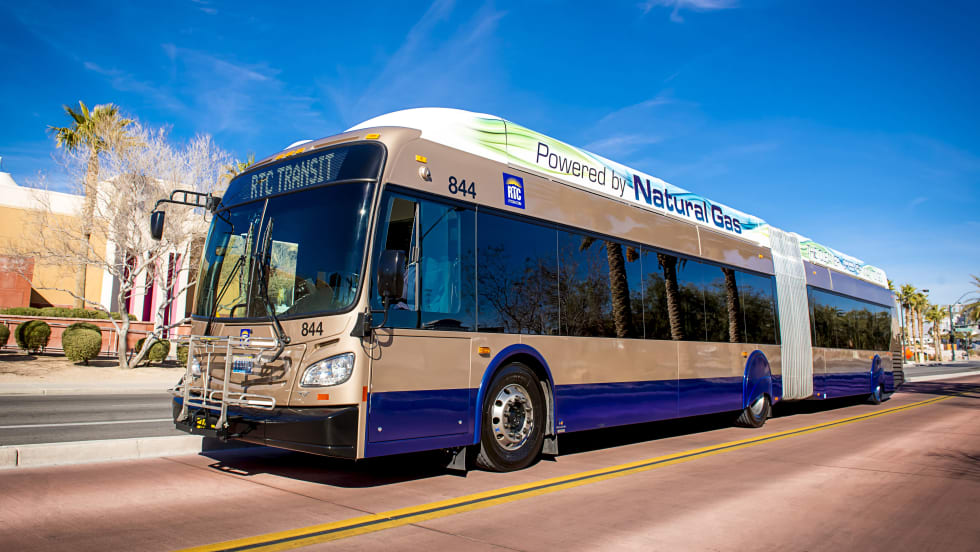
RTC of Southern Nevada Reports 29% Drop in Transit Operator Assaults
The agency credits expanded security measures, employee training, and technology investments for improvements in transit safety, while security officers have responded to 19 suspected overdoses since July.