




Related: AVTA Plugs-In to Meet Aggressive Zero-Emissions Goal
Santa Clara VTA, Miami among 20 FTA Low-No grant recipients
The selected projects represent strategic investments to help reduce air pollution, train employees in maintaining new technology buses, and connect people to jobs and services through efficient bus transit networks.
July 26, 2016
2 min to read
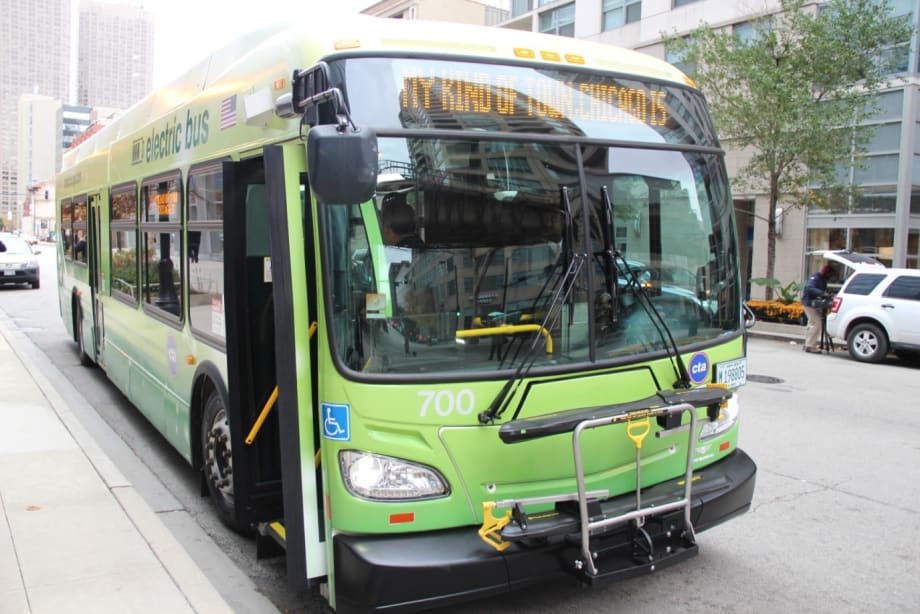
The Federal Transit Administration (FTA) selected a new round of recipients for the Low or No-Emission (Low-No) Bus Competitive Grant Program, which reflects growing interest in new technology buses. Twenty transit providers in 13 states will receive a share of $55 million for transit buses and related technology that replaces aging diesel fuel buses with battery-electric or fuel cell-powered vehicles and incorporates other innovations.
Replacing traditional buses with electricity-powered buses that generate low or no emissions lessens reliance on fossil fuel, reduces greenhouse gas emissions and improves operating efficiency. The selected projects represent strategic investments to help reduce air pollution, train employees in maintaining new technology buses, and connect people to jobs and services through efficient bus transit networks.
FTA awarded the FY 2016 funds after a competitive review of more than 100 applications. The grants allow agencies to acquire buses and supporting facilities and infrastructure such as maintenance facilities and recharging equipment – including new “en-route” charging that extends battery life. Many agencies also use the grants to develop knowledge in their workforces about how to operate and maintain a new generation of buses.
Among the projects selected to receive 2016 Low-No funding:
Santa Clara Valley Transportation Authority of California will purchase battery electric zero-emission buses and fast-charging stations, upgrade a maintenance facility and provide workforce training on maintaining new technology buses.
The Miami-Dade Department of Transportation and Public Works will receive funding to purchase 40-foot electric buses, which will replace part of a fleet that now has 70% of its traditional buses operating beyond their expected useful life.
Park City Transit of Utah will receive funding to purchase zero-emission buses that will run on a bus rapid transit route and provide high-frequency service connecting major activity areas and giving residents and visitors a viable commuting option with cleaner, more fuel-efficient vehicles.
FTA’s Low or No Emission Vehicle Grants Program has evolved from a research and deployment program that was established under MAP-21 into an annually funded grant program. The FAST Act more than doubled the amount of funding available and moved the Low-No Program under the existing Bus and Bus Facilities Program.
For a full list of recipients, click here.
More Technology
Biz Briefs: New Electric Offering from Alexander Dennis/Volvo, Transdev in Boston, and More
In METRO's latest installment, we also take a look at recent news from STV, WSP, Prevost, and more partnerships making headlines across the transportation sector.
Read More →
Roman Cornell on ABC Companies’ Evolution and the Future of Passenger Transportation
The company’s CEO discusses carrying forward a third-generation family legacy, ABC’s continued evolution in passenger transportation, support for increasingly complex fleets, and how technology and continued investment could help operators improve uptime.
Read More →
ETA CEO John Maglio on Transit Technology, Innovation, and Building Agency Trust
ETA founder and CEO John Maglio explores the evolution of transit technology, the importance of reliable systems, and how stronger partnerships can help agencies improve operations and the passenger experience.
Read More →
Frontrunner Bus Group Introduces XF Low-Floor Bus with Enhanced Accessibility
The new mid-sized bus features a full flat-floor design, eight-inch curbside step-in height, and zero-entry rear ramp to improve passenger access and operational flexibility.
Read More →
Building a Flexible Path to Transit Electrification with BAE's John Hroncich
John Hroncich discusses BAE Systems’ modular and scalable approach, lessons learned from decades of real-world operations, and how agencies can identify electrification strategies that fit their fleets.
Read More →
Scenes from APTA TRANSform & EXPO 2026
Transit leaders, manufacturers, and industry professionals gathered in Chicago to explore new technologies, share ideas, and discuss the future of public transportation.
Read More →
Biz Briefs: New Flyer Secures Additional 100-Bus Order from WMATA and More
In METRO's latest installment, we also take a look at recent news from Masabi, MCI, Samsara, and more partnerships making headlines across the transportation sector.
Read More →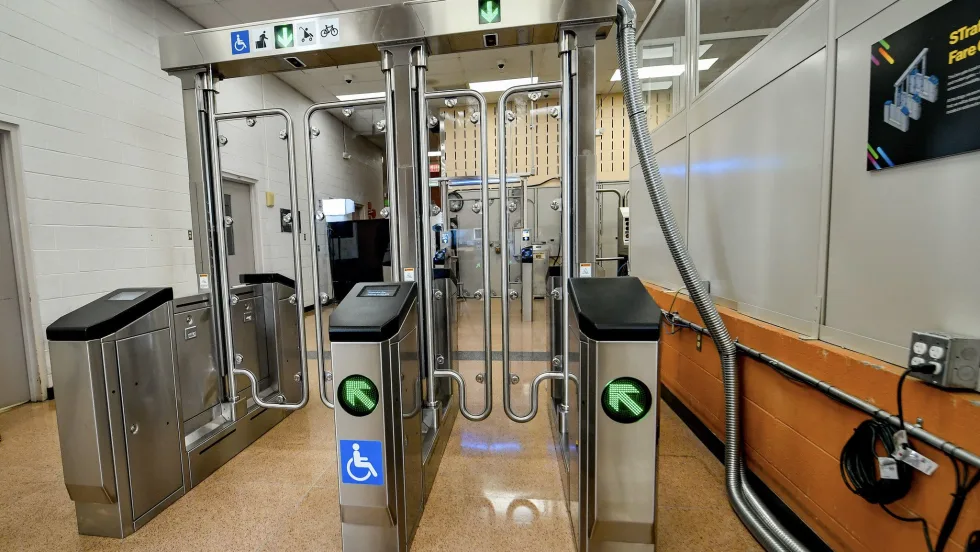
MTA Fare Gate Pilot Reduces Fare Evasion by 35%
Following a 20-station pilot, the agency plans to install new fare gates at 20 additional subway stations as part of a $1.1 billion modernization initiative.
Read More →
California Law Extends AC Transit’s Bus Lane Camera Enforcement
The new law allows AC Transit to continue using forward-facing bus cameras to enforce parking violations in bus-only lanes and at bus stops.
Read More →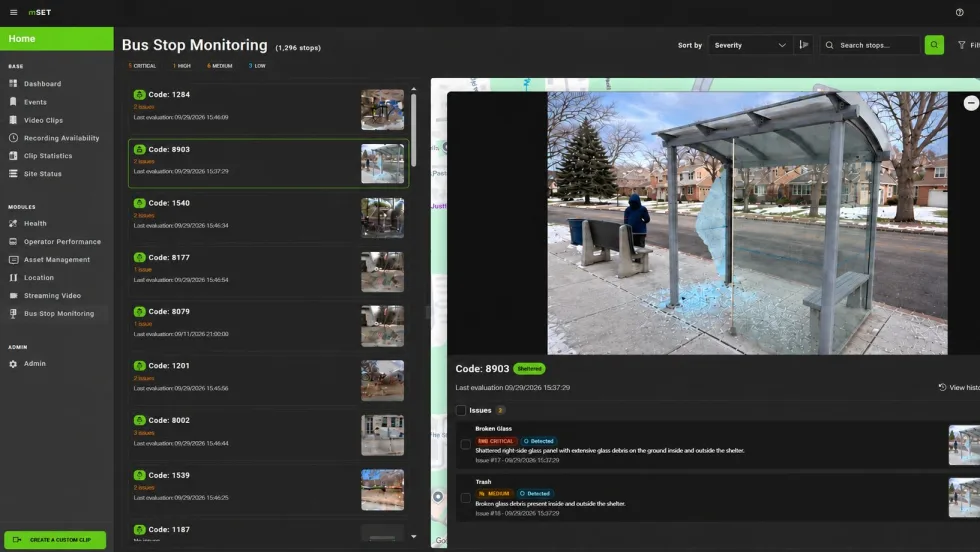
Biz Briefs: Luminator Launches AI Technology to Monitor Bus Stop Conditions and More
In METRO's latest installment, we also take a look at recent news from Masabi, Troman Industries, ioki, CCW, and more partnerships making headlines across the transportation sector.
Read More →