




RELATED: What's new in electric buses?
Robust zero-emission vehicle program will save tens of billions of dollars each year
Every year, pollution from passenger vehicles costs the 10 ZEV states about $24 billion in health costs, which includes 20,000 lost work days.
October 31, 2016
Photo: Foothill Transit
3 min to read
Photo: Foothill Transit
Over-reliance on petroleum-based fuels for transportation costs 10 U.S. states $37 billion in health expenses and climate costs every year — with California costs alone hitting $15 billion — and that moving to emission-free vehicles would save lives and money, a new report finds.
The report, Clean Air Future: Health and Climate Benefits of Zero Emission Vehicles, was produced by the American Lung Association in California. It finds a widespread shift to zero-emission vehicles (ZEVs) would clean the air and curb dangerous health and climate impacts, resulting in cost savings of tens of billions of dollars a year to society.
“For the average driver, every tank of gas burned costs $18.42 in hidden health and climate costs,” said Bonnie Holmes-Gen, senior director of Air Quality and Climate Change with the American Lung Assoc. in California. “Relying almost exclusively on oil for transportation hurts our air, our health, and our environment. The answer is to move to passenger vehicles that run on clean, renewable energy, and the Zero Emission Vehicle program that has been adopted by 10 states is key.”
Clean Air Future looks at data for California and nine other states that have adopted the California Zero Emission Vehicle (ZEV) program: Connecticut, Maine, Maryland, Massachusetts, New Jersey, New York, Oregon, Rhode Island and Vermont. The report analyzes current and projected emissions while looking at the societal benefits of policies designed to transition to a zero-emission fleet over the coming decades — benefits often overlooked in debates over ZEV policy.
Every year, pollution from passenger vehicles costs the 10 ZEV states about $24 billion in health costs.
That includes:
220,000 lost work days
109,000 asthma exacerbations
Hundreds of thousands of other respiratory health impacts, and
2,580 premature deaths.
To clarify regional costs, the report breaks down the costs of smog, soot and climate pollution caused by passenger vehicles in each of the 10 ZEV states.
As of 2015, those costs — in order of magnitude — are:
California: $15 billion
New York: $7.9 billion
New Jersey: $4.6 billion
Massachusetts: $2.9 billion
Maryland: $2.6 billion
Connecticut: $1.4 billion
Oregon: $1.3 billion
Maine: $513 million
Rhode Island: $407 million
Vermont: $347 million
The report finds that a sustained, strong push to put ZEVs on the road — including battery-powered, plug-in hybrid, and fuel-cell vehicles — could, by 2030, save $13 billion in health costs across the 10 ZEV-program states. That includes avoiding 1,429 premature deaths annually. By 2050 — when the majority of ZEV states have agreed to aim for 100 percent ZEV sales — annual benefits grow to $20 billion health savings, including 2,246 fewer premature deaths each year.
In addition to health costs, the report calculates savings from reduced climate impacts, including agricultural productivity, property damages from increased flood risk, climate-related health costs, and the value of ecosystem services like pollination and clean drinking water. The report finds widespread ZEV adoption would result in climate benefits including $5.5 billion annual savings in 2030, and $12.8 billion annual savings in 2050.
Later this year, California will begin a scheduled mid-term review of its ZEV policy, which requires 15 percent of cars sold by 2025 to be ZEVs, and which is expected to put 1.5 million ZEVs on the road by 2025. The California Air Resources Board has also stated that the vast majority of cars on the road (in 2050) must be zero-emission vehicles if California is going to meet its climate goal to reduce carbon emissions by 80 percent by 2050.
More Technology
The Business Voice Behind Public Transportation
As chair of APTA’s Business Members Board of Governors, Ray Melleady explains how more than 850 business members are partnering with transit agencies to advance funding, innovation, and industry-wide collaboration.
Read More →
People Movement: ABC Names John Walsh as Chief Commercial Officer
In this edition, METRO also covers recent appointments and announcements at the DART, STV, and more, showcasing the individuals helping to shape the future of transportation.
Read More →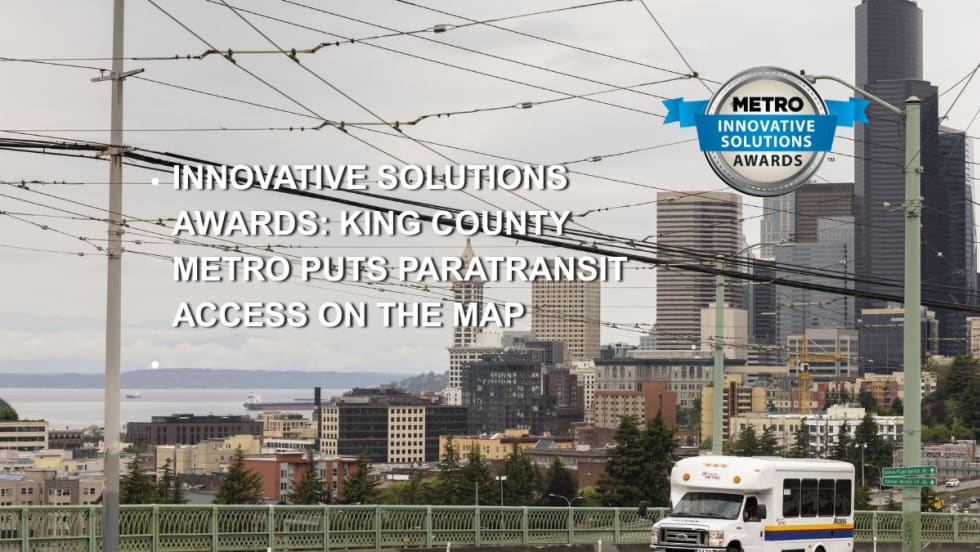
King County Metro Makes ADA Paratransit Easier to Navigate
METRO's Innovative Solutions Award winner replaces complex service-area descriptions with an accessible, interactive map that puts paratransit information directly in customers’ hands.
Read More →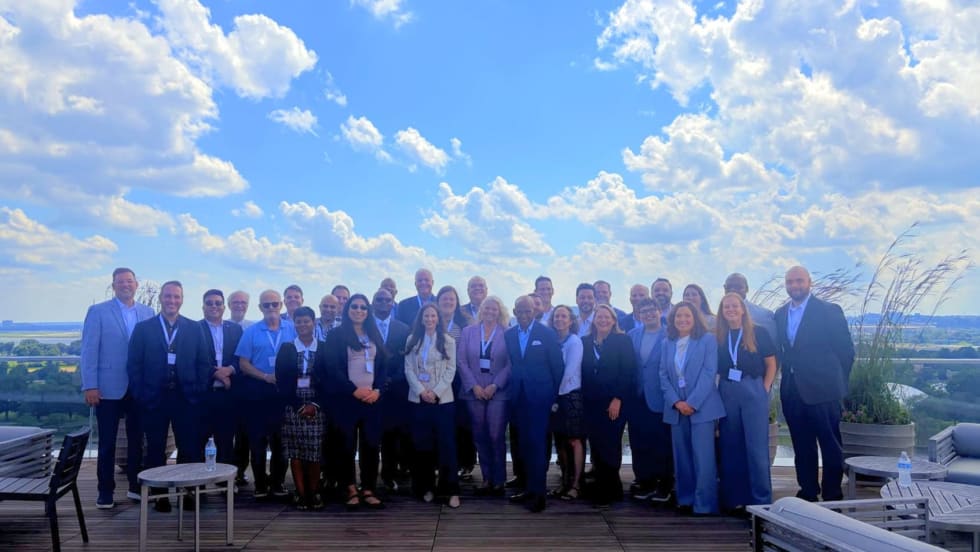
TransDASH Summit Focuses on Measuring What Matters in Transit
Transit agencies unveil a national performance platform designed to benchmark customer experience, safety, community value, and other outcomes.
Read More →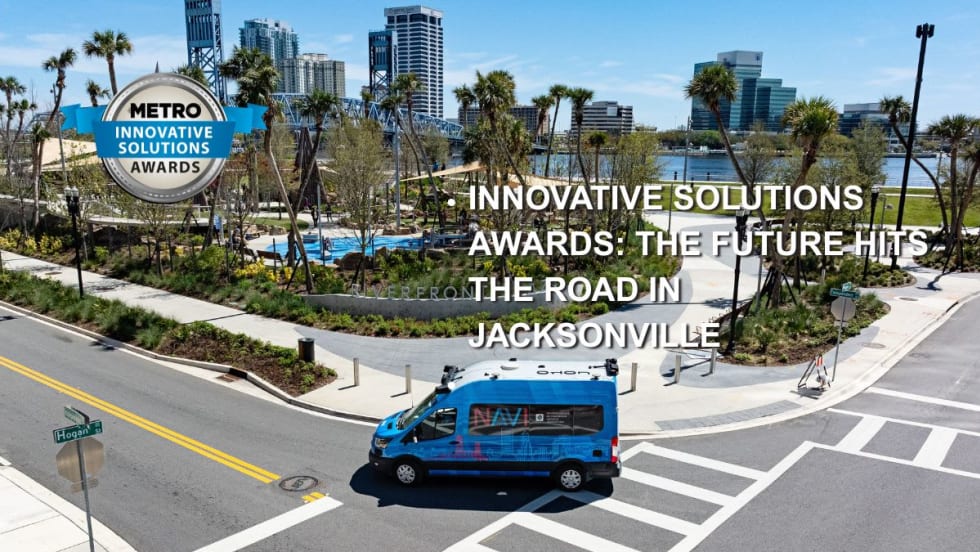
Jacksonville’s NAVI Project Charts a New Course for Autonomous Public Transportation
Through its NAVI program, JTA is showing how autonomous vehicles, intelligent infrastructure, and coordinated operations can work together to deliver everyday public transportation.
Read More →
Biz Briefs: Luminator Marks Milestone and More
From manufacturers and suppliers to transit agencies and motorcoach operators, these updates offer a snapshot of the projects, partnerships and business moves driving the industry forward.
Read More →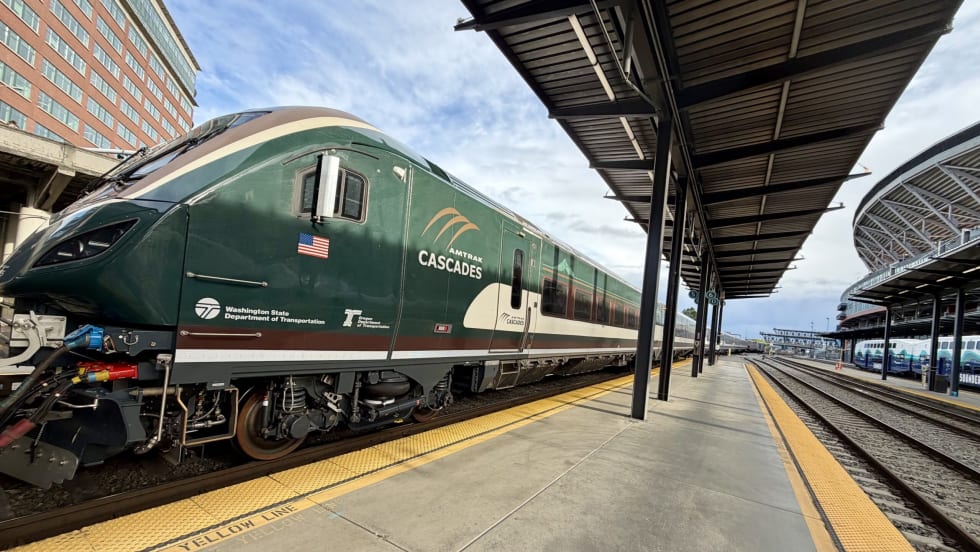
FRA Announces $5.3B in Rail Investments, Including $2B for Amtrak
Funding will support grade-crossing improvements, infrastructure upgrades, and new Amtrak equipment in 23 states.
Read More →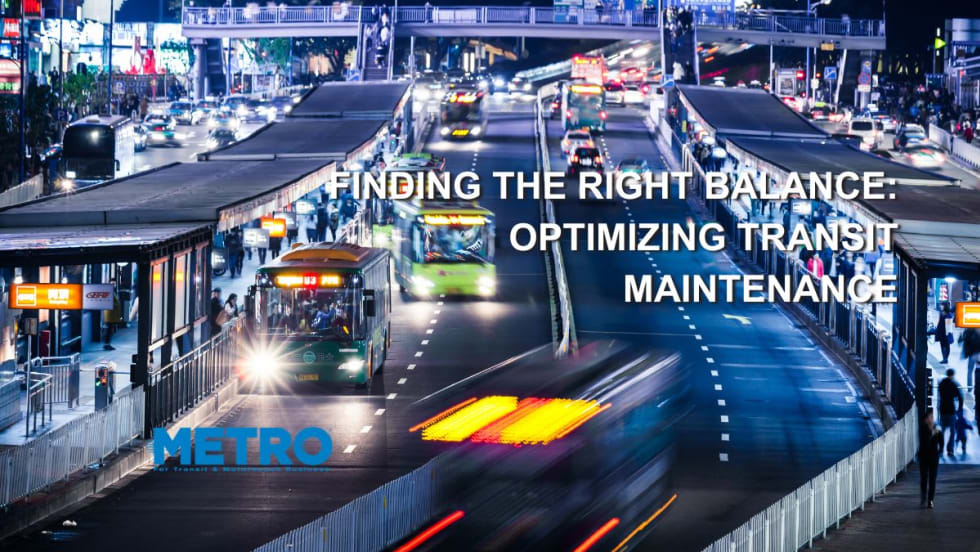
Finding the ‘Happy Medium’: Optimizing Maintenance Without Sacrificing Reliability
The key to maintenance optimization isn’t doing less work—it’s doing the right work at the right time on the right assets.
Read More →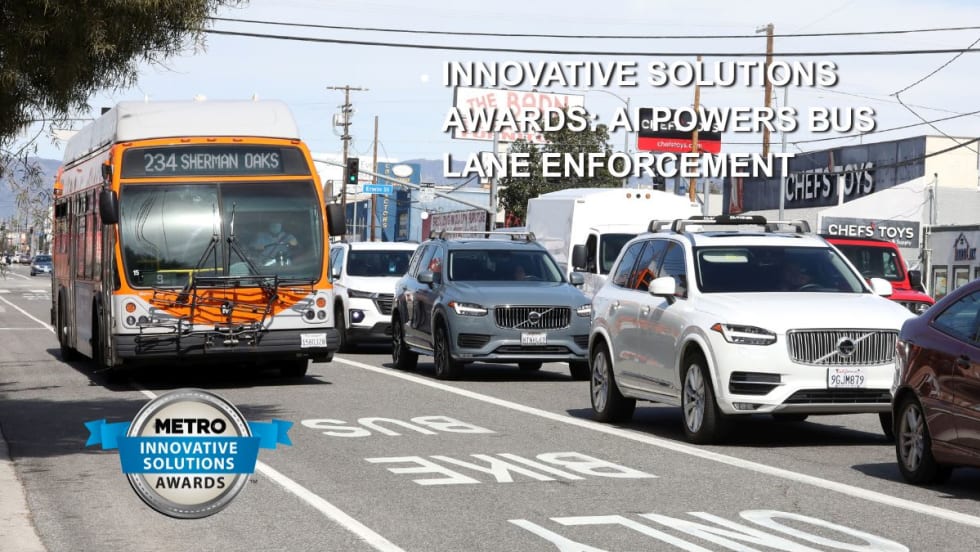
LA Metro, City of West Hollywood, and Partners Advance Smarter Bus Lane Enforcement
The award-winning partnership combines AI-powered detection with human oversight to improve bus reliability, accessibility, and enforcement efficiency.
Read More →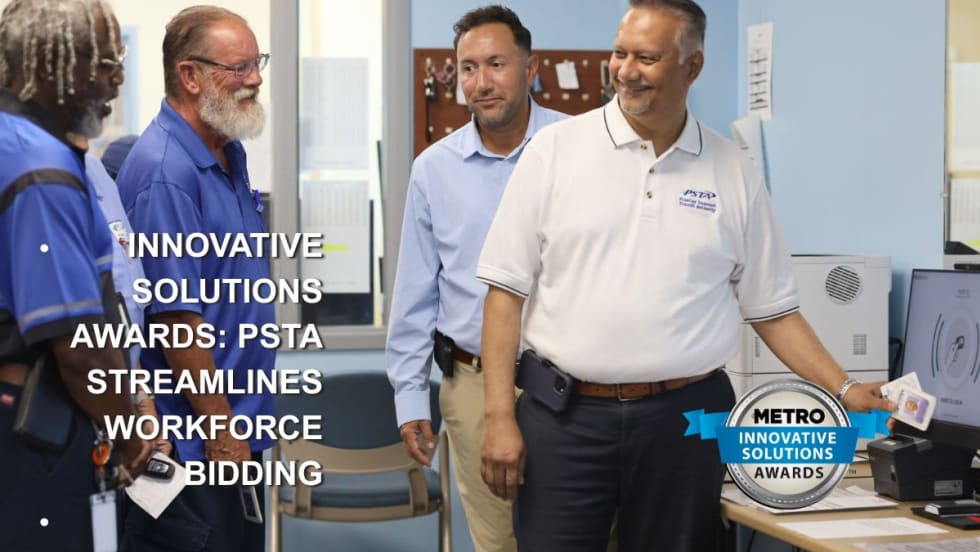
PSTA Modernizes Workforce Management with Digital Bidding System
The award-winning Workforce Transit Modernization project replaced paper bidding with a transparent digital platform, cutting administrative effort while improving access for operators.
Read More →