



Bilbao, Spain adds 2 electric Irizar i2e buses
The totally silent, zero-emission vehicles achieve a range of over 124 miles and include sodium-nickel batteries that provide power to the electric motor, resulting in a nominal torque of 1500 Nm and 180 kW of power.

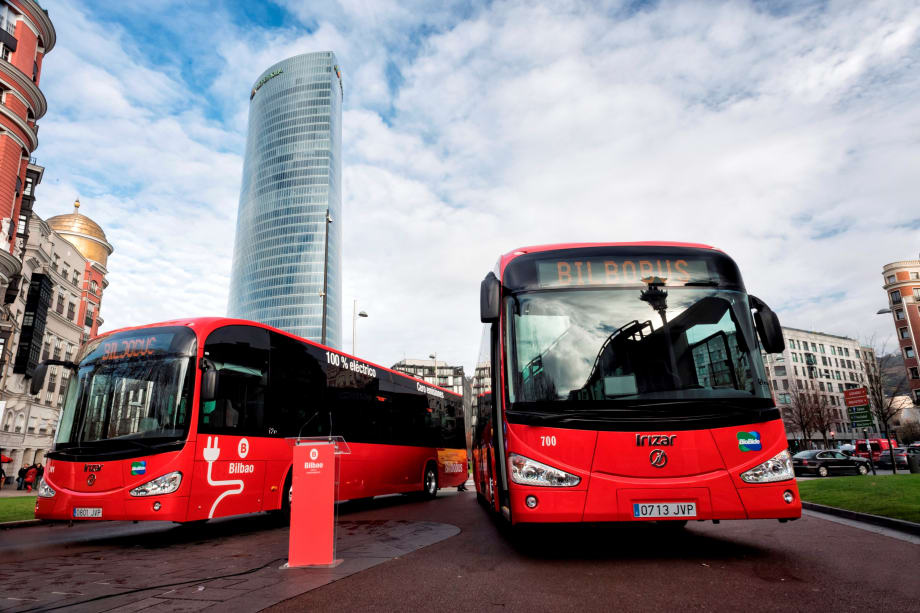

Spain’s city of Bilbao will have two new 100% electric Irizar i2e buses, which will be joining the Bilbobus fleet and operate on several lines.
The two new 40-foot long, 100% electric, zero emissions Irizar i2e buses have been designed with the aim of optimizing the use of energy, improving the performance of Bilbobus' city buses.
The totally silent, zero-emission vehicles achieve a range of over 124 miles and include sodium-nickel batteries that provide power to the electric motor, resulting in a nominal torque of 1500 Nm and 180 kW of power. The vehicle regenerates braking energy as electricity, increasing battery life.
In addition to having all the comfort, accessibility, and safety features demanded by Bilbobus, they are equipped with USB chargers, as well as all the systems for optimal fleet management.
In addition, Irizar has supplied the charging stations and the smart charging system for the buses, developed by JEMA (an Irizar Group company), which automatically manages and optimizes electricity consumption.
More Technology

How Data, Strategy, and Community Engagement Are Reshaping Transit
In this edition of METROspectives, strada360 CEO Steve Lassey discusses how transit agencies can better align planning with operations, leverage data to improve decision-making, and build public trust as they prepare for the future of mobility.
Read More →
How DART's GoPass Is Redefining Regional Mobility
Serving 14 transit agencies, GoPass simplifies multimodal travel by allowing riders to plan, pay for, and manage an entire trip through one app.
Read More →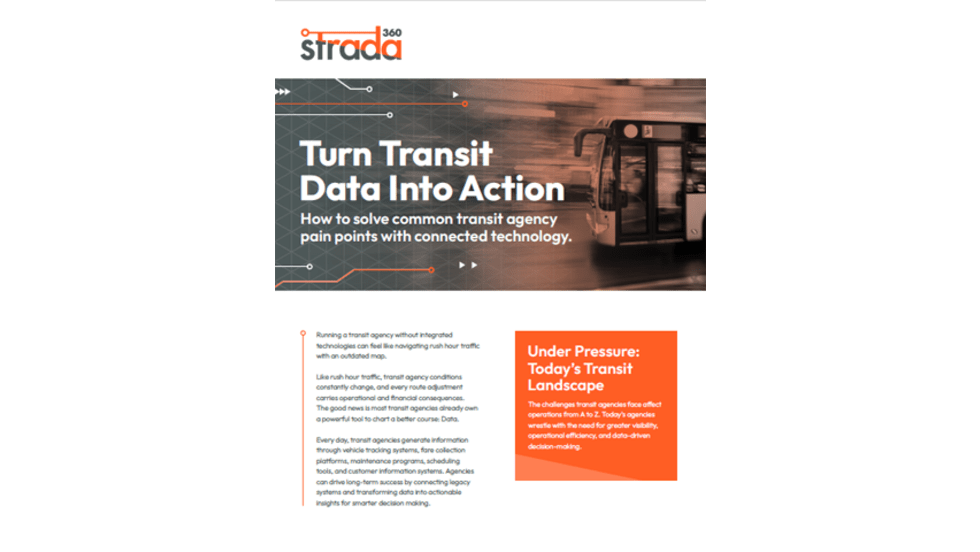
Turn Transit Data Into Action
Discover how leading agencies are using connected technology to gain real-time visibility across operations, improve service reliability, and reduce disruptions.
Read More →
Biz Briefs: OCTA Taps Clean Energy for Hydrogen Station, Stadler to Supply Via Rail Vehicles, and More
From manufacturers and suppliers to transit agencies and motorcoach operators, these updates offer a snapshot of the projects, partnerships and business moves driving the industry forward.
Read More →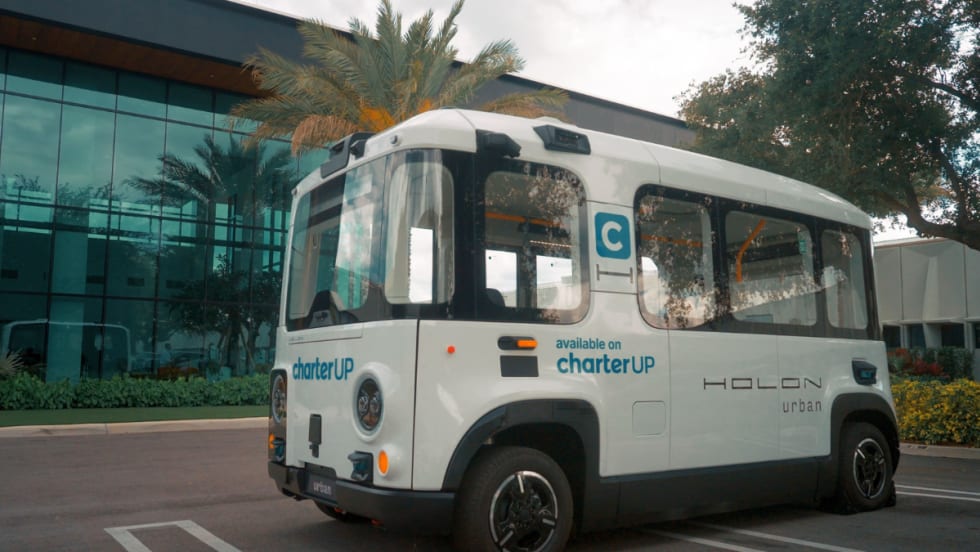
CharterUP Expands Into New Mobility and Autonomous Transportation
Vice President of New Mobility Stephen Joos discusses how CharterUP is leveraging its nationwide transportation network, technology platform, and autonomous vehicle partnerships to expand into workforce mobility, campus shuttles, and transit solutions.
Read More →
METRO Magazine Announces 2026 Innovative Solutions Awards Winners
Projects Recognized for Advancing Mobility Through Technology, Accessibility, Workforce Innovation, and Operational Excellence
Read More →
Cummins Introduces Phased Model Year 2027 Launch Strategy
According to officials, the approach is designed to maintain regulatory compliance, support customer production schedules, and provide additional time to ramp production in a disciplined manner that helps ensure a successful transition for the industry.
Read More →
Biz Briefs: STV teams with Amtrak, Motorcoach Operators Boost Fleet and Land Contracts, and More
From manufacturers and suppliers to transit agencies and motorcoach operators, these updates offer a snapshot of the projects, partnerships and business moves driving the industry forward.
Read More →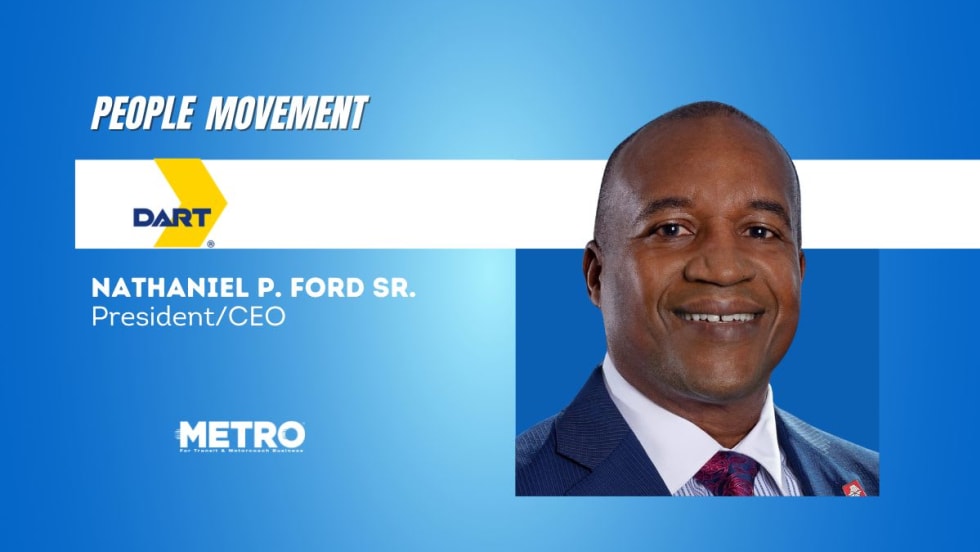
DART Taps Nathaniel P. Ford Sr. as Next President/CEO
Since 2012, Ford has served as the CEO of the Jacksonville Transportation Authority
Read More →
AC Transit’s Cecil Blandon on Building the Next Generation of Transit Maintenance Leaders
The agency’s maintenance chief discusses leadership, workforce development, zero-emission technology, and preparing technicians for the future of public transportation.
Read More →