



ROUSH CleanTech Develops Propane Autogas Fuel System for the Ford E-350
Propane vehicle technology company’s new cutaway option designed for public transit fleets.

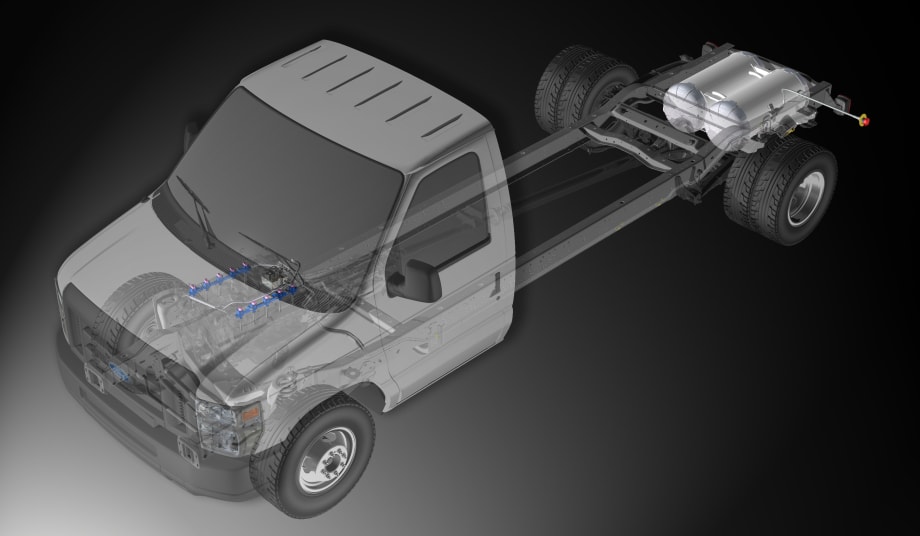
Graphic courtesy of ROUSH CleanTech.

Graphic courtesy of ROUSH CleanTech.
ROUSH CleanTech revealed its newest propane autogas vehicle, the Ford E-350 single-rear-wheel and dual-rear-wheel cutaway, which provides public transit agencies a smaller propane vehicle option for servicing routes with fewer customers, the company announced.
In addition to transit shuttles, the propane-fueled Ford E-350 cutaway is well suited for Type A school buses and delivery trucks in markets such as food and beverage and parcel.
The vehicles maintain the same horsepower, torque and towing capacity as their Ford gasoline-fueled counterparts, and are powered by a Ford 6.8L V10 2-valve engine. They will be certified by the Environmental Protection Agency and California Air Resources Board and compliant with heavy-duty onboard diagnostics.
Each of the extended-range shuttles will emit about 90,000 fewer pounds of carbon dioxide over its lifetime compared to gasoline-fueled counterparts. Historically, propane autogas costs up to 40 percent less than gasoline and 50 percent less than diesel, and reduces maintenance costs due to its clean-burning properties.
ROUSH CleanTech launched the new propane autogas model at the American Public Transportation Association (APTA) Expo in Atlanta.
The propane autogas Ford E-350 cutaway will be available in 2018 model year. Orders are now being taken with deliveries beginning by late spring 2018.
More Technology
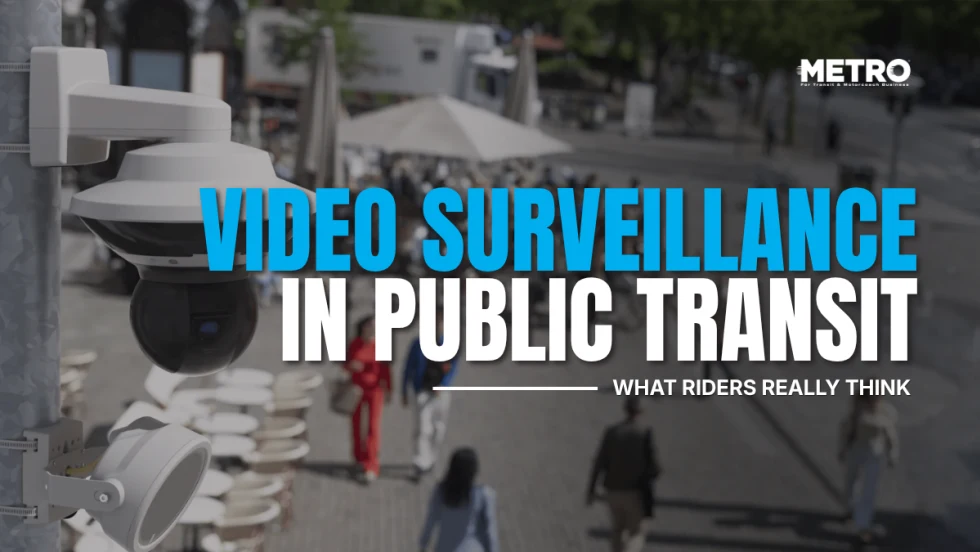
Video Surveillance in Public Transit: What Riders Really Think
As video surveillance gains public acceptance, new research from Axis Communications reveals what transit riders expect from agencies when it comes to safety, privacy, and AI.
Read More →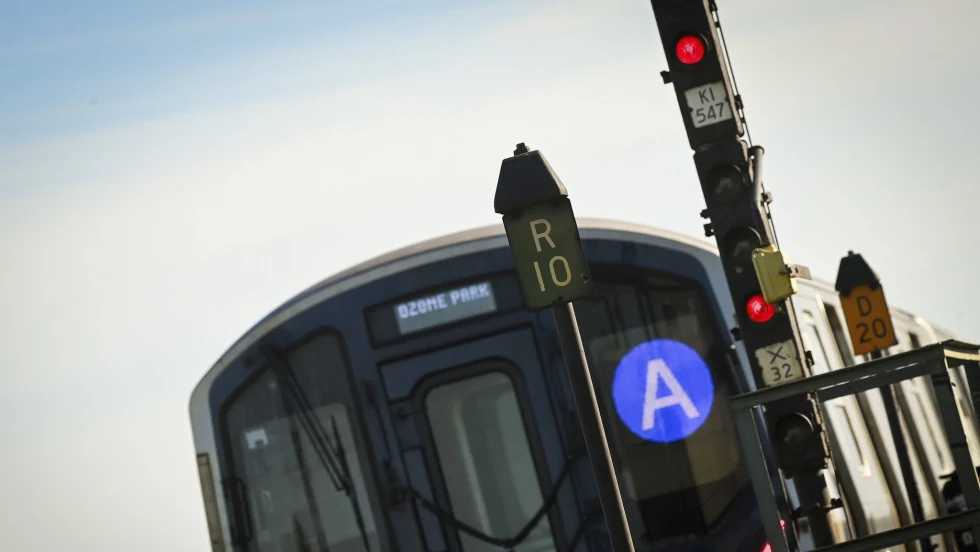
New York MTA Launches Historic $1.9B Signal, Track Modernization Project
Funded in part by congestion pricing revenue, the project will replace nearly century-old signals along the A and C lines in Brooklyn and Queens.
Read More →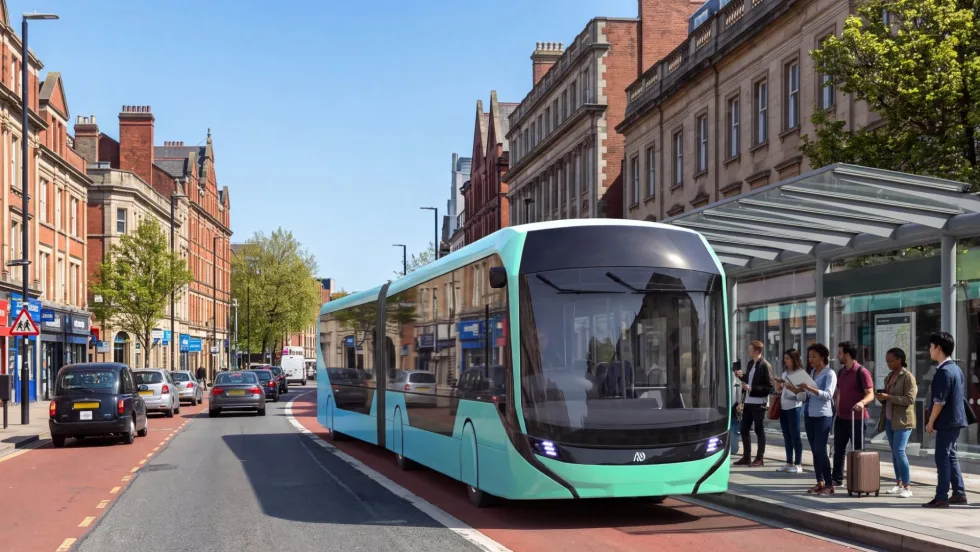
Biz Briefs: New Electric Offering from Alexander Dennis/Volvo, Transdev in Boston, and More
In METRO's latest installment, we also take a look at recent news from STV, WSP, Prevost, and more partnerships making headlines across the transportation sector.
Read More →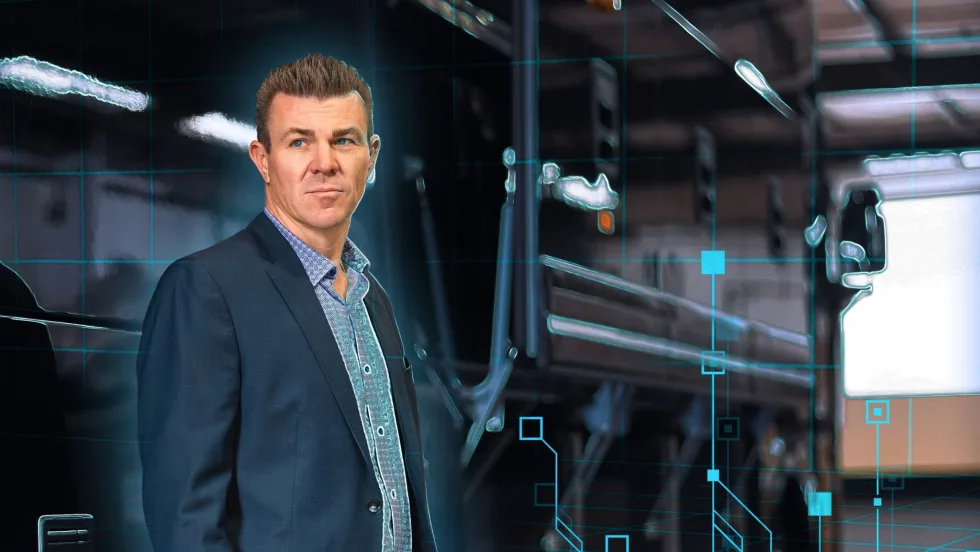
Roman Cornell on ABC Companies’ Evolution and the Future of Passenger Transportation
The company’s CEO discusses carrying forward a third-generation family legacy, ABC’s continued evolution in passenger transportation, support for increasingly complex fleets, and how technology and continued investment could help operators improve uptime.
Read More →
ETA CEO John Maglio on Transit Technology, Innovation, and Building Agency Trust
ETA founder and CEO John Maglio explores the evolution of transit technology, the importance of reliable systems, and how stronger partnerships can help agencies improve operations and the passenger experience.
Read More →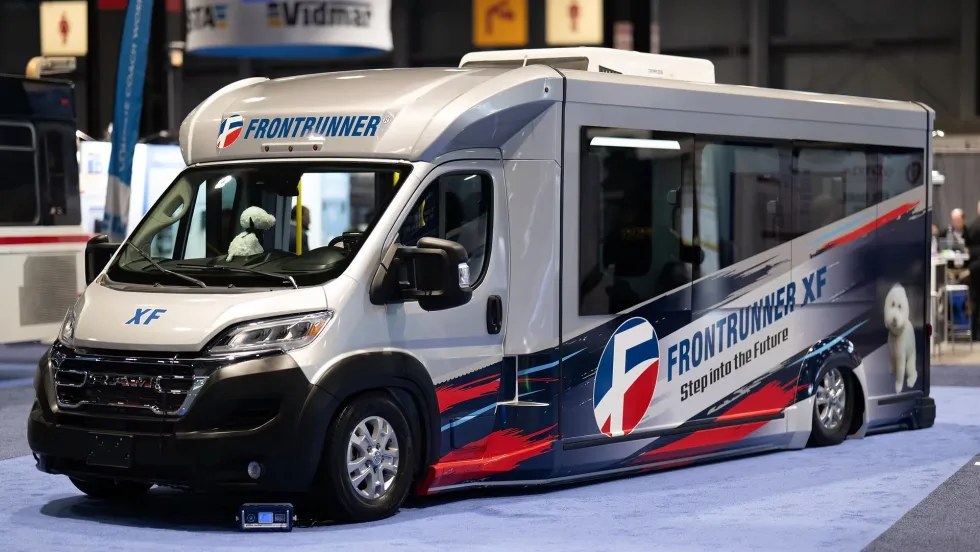
Frontrunner Bus Group Introduces XF Low-Floor Bus with Enhanced Accessibility
The new mid-sized bus features a full flat-floor design, eight-inch curbside step-in height, and zero-entry rear ramp to improve passenger access and operational flexibility.
Read More →
Building a Flexible Path to Transit Electrification with BAE's John Hroncich
John Hroncich discusses BAE Systems’ modular and scalable approach, lessons learned from decades of real-world operations, and how agencies can identify electrification strategies that fit their fleets.
Read More →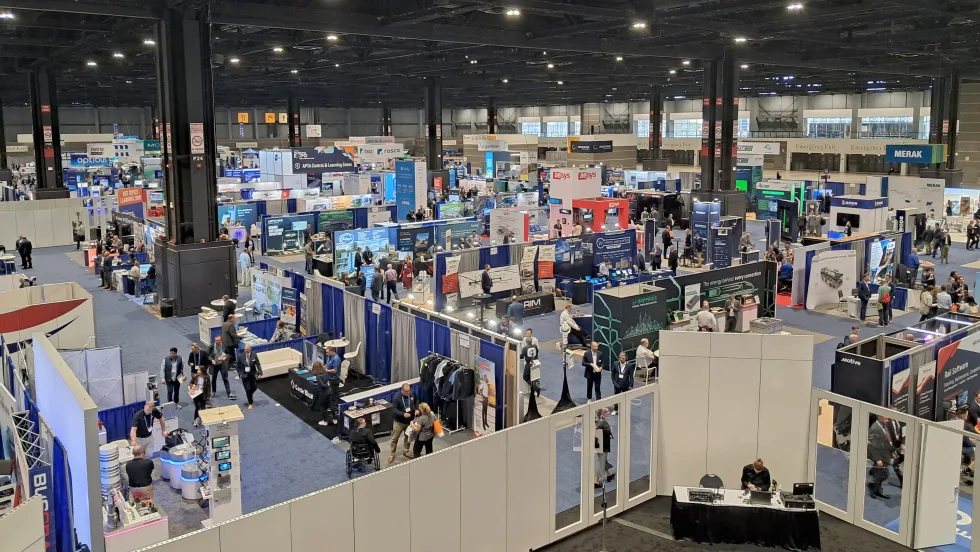
Scenes from APTA TRANSform & EXPO 2026
Transit leaders, manufacturers, and industry professionals gathered in Chicago to explore new technologies, share ideas, and discuss the future of public transportation.
Read More →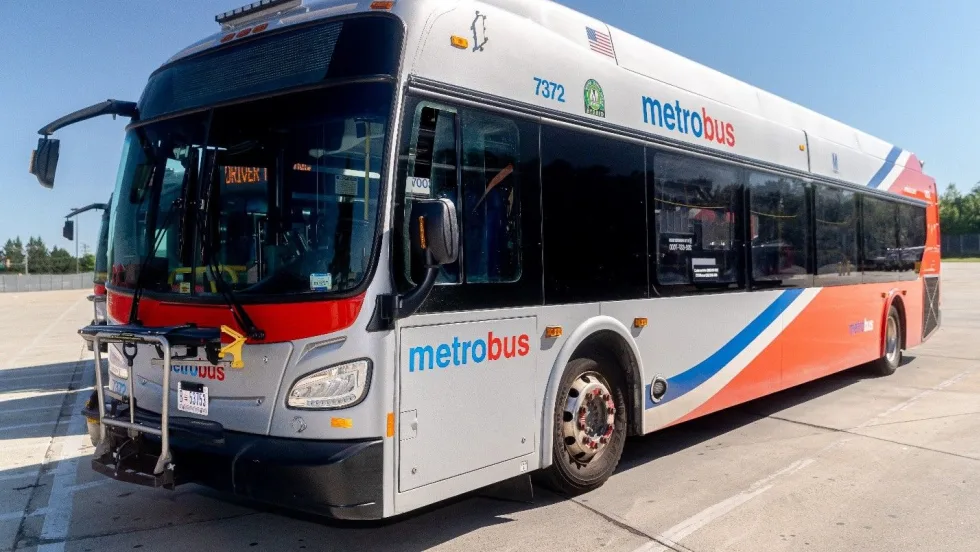
Biz Briefs: New Flyer Secures Additional 100-Bus Order from WMATA and More
In METRO's latest installment, we also take a look at recent news from Masabi, MCI, Samsara, and more partnerships making headlines across the transportation sector.
Read More →
MTA Fare Gate Pilot Reduces Fare Evasion by 35%
Following a 20-station pilot, the agency plans to install new fare gates at 20 additional subway stations as part of a $1.1 billion modernization initiative.
Read More →