



SARTA-led consortium seeks grant to increase sustainability
If approved, the grant will provide the funds needed to take the project from an exciting vision to a job-creating, pollution-reducing reality within five years.

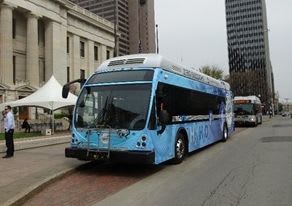
When completed, the plan will facilitate the creation of a corridor that will make it possible for the owners and operators of electric, fuel-cell electric, and CNG-powered automobiles, trucks, and buses to easily refuel as they travel across the major transportation arteries in Ohio and Michigan.
SARTA
When completed, the plan will facilitate the creation of a corridor that will make it possible for the owners and operators of electric, fuel-cell electric, and CNG-powered automobiles, trucks, and buses to easily refuel as they travel across the major transportation arteries in Ohio and Michigan.
SARTA
The Stark Area Regional Transit Authority (SARTA) is leading a unique public-private partnership that will lead to the construction of at least 13 hydrogen, electric, and compressed natural gas (CNG) refueling facilities along highways in Ohio and Southern Michigan.
As a first step in the process, the SARTA-led consortium recently applied for a multi-million-dollar grant from the U.S. Department of Transportation. If approved, the grant will provide the funds needed to take the project from an exciting vision shared by a variety of companies and agencies to a job-creating, pollution-reducing reality within five years.
According to SARTA CEO Kirt Conrad, the consortium members, including Love's Travel Stops, the Ohio Turnpike and Infrastructure Commission, CALSTART, Clean Fuels Ohio, Cleveland State University, and the Ohio Fuel Cell Coalition, will use the grant money to draft the Midwest States Alternative Fuel Transportation Corridor Action Plan. When completed, the plan will facilitate the creation of a corridor that will make it possible for the owners and operators of electric, fuel-cell electric, and CNG-powered automobiles, trucks, and buses to easily refuel as they travel across the major transportation arteries in Ohio and Michigan.
"Both commercial carriers and private individuals are reluctant to buy alternative fuel-powered vehicles because they aren't sure they'll be able to recharge or refuel them once they're on the road," Conrad explained. "Creating the corridor we envision will relieve that anxiety and ignite sales, which in turn will drive the creation of as many as 65,000 good-paying alternative fuel-related jobs in Ohio alone."
Love Travel Stops' involvement is key to the grant proposal and the long-range success of the project. If the grant application is approved, the privately-owned company, which operates more than 450 truck stops and convenience stores located along rural and urban highways in 41 states, will begin the design and planning process needed to add a mix of refueling and recharging technologies to its facilities along I-71, I-75, and I-80 in Ohio and Southern Michigan.
Conrad said the hundreds of millions of dollars being invested in R&D by General Motors, Honda, Toyota, Ford, and other vehicle producers clearly indicate that electricity and CNG are the fuels of the future.
"The only remaining barrier to massive growth in the hydrogen fuel cell-powered vehicle sector is the lack of refueling infrastructure. Once that barrier is overcome, a wave of change is going to wash across the transportation industry that will rival the transition from the horse and buggy to the automobile. Our goal is to ensure that Ohio is positioned to ride that wave for decades to come," he said.
More Technology

From Hardware to Digital Partner: Luminator Charts Its Next Chapter
CEO Magnus Friberg discusses Luminator’s shift toward becoming a digital partner, the growing importance of software and interoperability, and how AI can help agencies improve operations and passenger experience.
Read More →
Beyond the Checklist: A Structured Approach to Transit Maintenance
Reliability-Centered Maintenance helps transit agencies move beyond routine checklists to focus limited resources on the assets and failures that have the greatest impact on safety, reliability, and service.
Read More →
NJ TRANSIT Advances Bus Technology Upgrades Across Statewide Fleet
More than 1,500 buses now feature upgraded technology designed to improve arrival predictions and provide free Wi-Fi, with deployment expected to reach nearly 2,000 buses by the end of 2026.
Read More →

Building a Flexible Path to Transit Electrification
John Hroncich discusses BAE Systems’ modular and scalable approach, lessons learned from decades of real-world operations, and how agencies can identify electrification strategies that fit their fleets.
Read More →
Biz Briefs: Alstom Lands Canadian Contract, LYT to Supply California TSP, and More
In METRO's latest installment, we take a look at recent news from Complete Coach Works, Beep, FlixBus, and more partnerships making headlines across the transportation sector.
Read More →
From Legacy Silos to Conversational Intelligence
What if transit leaders could ask any operational question and get a trusted answer in seconds? Conversational AI is transforming how agencies use their data.
Read More →
USDOT Announces Rail Vehicle Replacement Grants, Chattanooga AV Shuttle Funding
More than $191 million in federal funding will help three transit agencies replace aging rail vehicles and support a new autonomous shuttle service in Chattanooga.
Read More →
Bus Tech Talk: Keeping Transit Technicians Ahead of the Technology Curve
LA Metro’s Obed Mejia discusses technician training, evolving maintenance technology, fleet replacement, and strategies for getting the most out of today’s transit fleets.
Read More →
Biz Briefs: RIPTA Unveils New Frontrunners, Clevland RTA Adds New Siemens, and More
In METRO's latest installment, we take a look at recent news from Siemens, Prevost, Dodge, and more partnerships making headlines across the transportation sector.
Read More →
Why Simulating Pedestrian Movement Has Become Essential for Modern Rail Stations
Pedestrian microsimulation is helping rail planners identify bottlenecks, test station designs, and prepare complex transit hubs for growing passenger volumes.
Read More →