




RELATED: Trip-planner uses augmented reality for live rider info
RIPTA partners with INIT for electronic fare management project
Once implemented, RIPTA passengers will be able to pay fares by simply tapping their card or mobile device on a validator.
February 7, 2018

INIT will implement an account-based electronic fare and back-office revenue management system on RIPTA's fixed-route fleet of more than 240 buses. Photo: © Bill Marchetti
2 min to read

The Rhode Island Public Transportation Authority (RIPTA) has chosen INIT Innovations in Transportation Inc. to implement an account-based electronic fare and back-office revenue management system on their fixed-route fleet of more than 240 buses. The contract includes EMV-capable e-fare validators, the integration of a Bytemark mobile ticketing app, as well as an option to implement platform validators and Ticket Vending Machines (TVM) in future phases of RIPTA’s fare collection upgrade project and plans.
Once implemented, RIPTA passengers will be able to pay fares by simply tapping their card or mobile device on a validator. INIT’s back-end processing software, MOBILEvario, will calculate the fare, validate the transaction against the back office account and display the remaining balance to the rider in real-time. This means riders can instantly view their account transactions at any time. The new system will allow passengers to enjoy faster boarding and more convenient fare options.
“This update will not only make it easier for riders to manage their fares, but it will also speed up boarding times and cut back on the time people have to spend counting coins and bills,” said Amy Pettine, Interim CEO of RIPTA.
RIPTA’s On-line Validation Server (OVS) is designed for the anticipated future acceptance of contactless EMV media like Apple Pay, Samsung Pay and Android Pay.
The project will be implemented using an open architecture design. This means RIPTA will be able to integrate new, as well as their existing partners easily. For example, the INIT EFM system will incorporate RIPTA’s current providers of their CAD/AVL system and fare boxes for a fully functional solution. INIT’s open architecture model is demonstrated in all of their EFM projects including those in Tampa, FL (RWG), Portland-Vancouver Metropolitan Area (TriMet) and Grand Rapids, Mich. (The Rapid).
RIPTA hopes to slowly transition the majority of its fare transactions to mobile, retail, web, and agency-internal e-fare smartcards allowing them to utilize closed-loop, open-loop and open payment options. They anticipate moving from cash-on- board to retail network purchases, both to allow access for all riders with more convenient options for purchasing fares and meet their goal of steadily increasing advanced fare versus on-bus purchases.
INIT was recommended by the RIPTA Project Management Team and subsequently approved for Award by their Board of Directors on October 16, 2017. RIPTA’s Planning Department is currently in work now with INIT on the beginning phase of the project.
More Technology
Sponsored•August 2, 2026
Turn Transit Data Into Action
Discover how leading agencies are using connected technology to gain real-time visibility across operations, improve service reliability, and reduce disruptions.
Read More →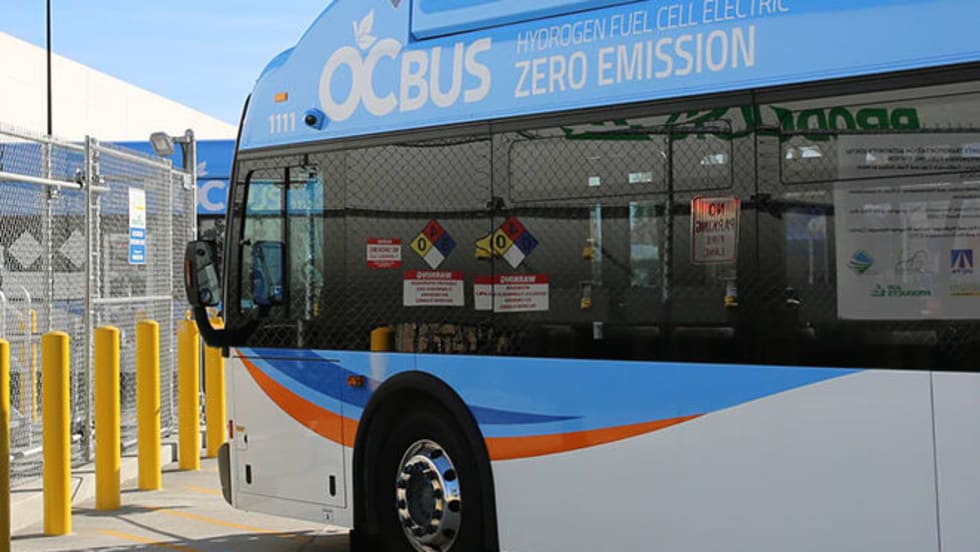
Biz Briefs: OCTA Taps Clean Energy for Hydrogen Station, Stadler to Supply Via Rail Vehicles, and More
From manufacturers and suppliers to transit agencies and motorcoach operators, these updates offer a snapshot of the projects, partnerships and business moves driving the industry forward.
Read More →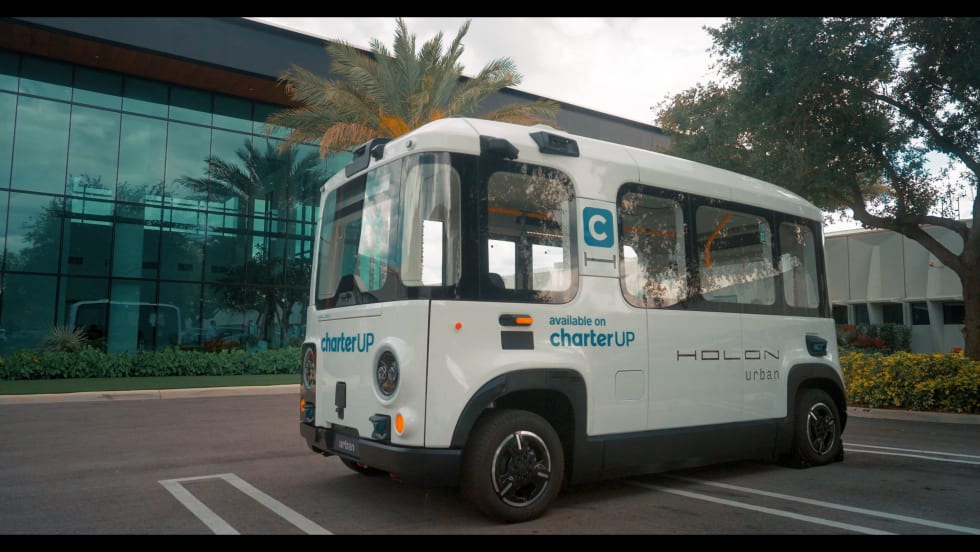
CharterUP Expands Into New Mobility and Autonomous Transportation
Vice President of New Mobility Stephen Joos discusses how CharterUP is leveraging its nationwide transportation network, technology platform, and autonomous vehicle partnerships to expand into workforce mobility, campus shuttles, and transit solutions.
Read More →
METRO Magazine Announces 2026 Innovative Solutions Awards Winners
Projects Recognized for Advancing Mobility Through Technology, Accessibility, Workforce Innovation, and Operational Excellence
Read More →
Cummins Introduces Phased Model Year 2027 Launch Strategy
According to officials, the approach is designed to maintain regulatory compliance, support customer production schedules, and provide additional time to ramp production in a disciplined manner that helps ensure a successful transition for the industry.
Read More →
Biz Briefs: STV teams with Amtrak, Motorcoach Operators Boost Fleet and Land Contracts, and More
From manufacturers and suppliers to transit agencies and motorcoach operators, these updates offer a snapshot of the projects, partnerships and business moves driving the industry forward.
Read More →
DART Taps Nathaniel P. Ford Sr. as Next President/CEO
Since 2012, Ford has served as the CEO of the Jacksonville Transportation Authority
Read More →
AC Transit’s Cecil Blandon on Building the Next Generation of Transit Maintenance Leaders
The agency’s maintenance chief discusses leadership, workforce development, zero-emission technology, and preparing technicians for the future of public transportation.
Read More →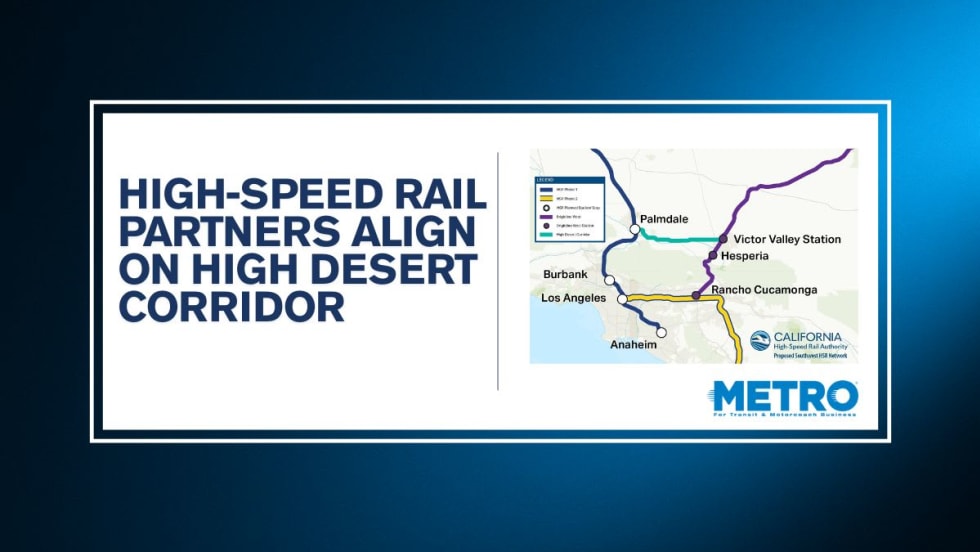
California High-Speed Rail Authority Signs MOU to Advance High Desert Corridor
The agreement deepens collaboration between the California High-Speed Rail Authority and the High Desert Corridor Joint Powers Agency, supporting design integration, cost savings, and faster delivery of a key Southern California rail link.
Read More →
Building the Next Generation of Transit Technology
In this edition of METROspectives, Luminator CEO Magnus Friberg discusses the company's transformation, the growing role of AI and software, and what's next for transit technology.
Read More →