




RELATED: FTA awards $55M in Low-No bus grants
FTA offers $84M for technologically advanced transit buses
Low-No Program supports projects bringing bus technologies such as battery-electric power and hydrogen fuel cells into service.
April 23, 2018
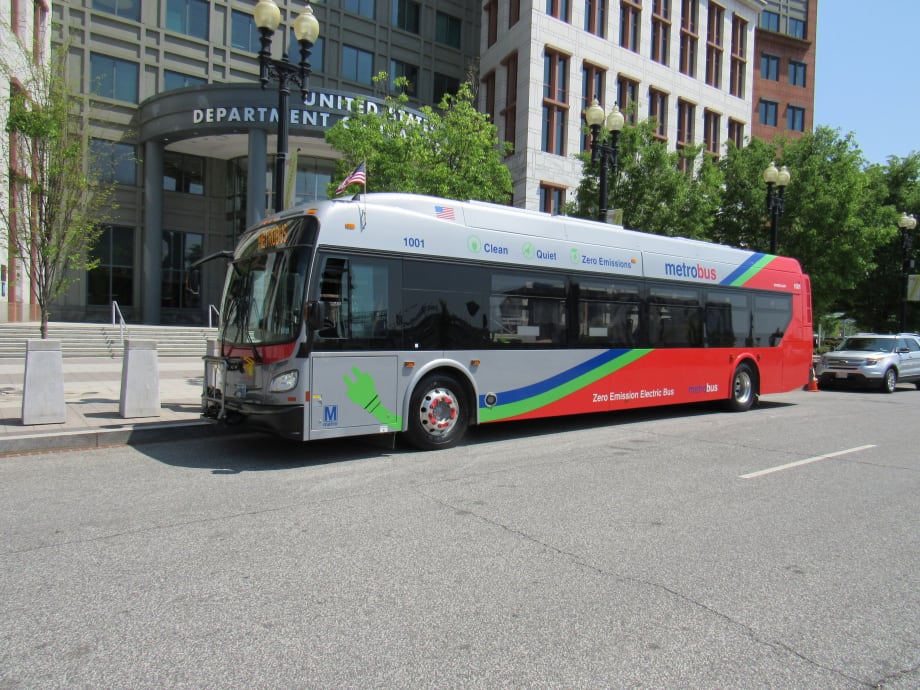
FTA will award the grants to eligible recipients, which include public transit agencies, state transportation departments, and tribes on a competitive basis. Photo: New Flyer
1 min to read
FTA will award the grants to eligible recipients, which include public transit agencies, state transportation departments, and tribes on a competitive basis. Photo: New Flyer
The Federal Transit Administration (FTA) announced the opportunity for grantees to apply for up to $84.45 million in competitive grant funds through FTA’s Low or No Emission (Low-No) Bus Program.
The Low-No Program supports projects sponsored by local transit agencies to bring advanced, American-made bus technologies such as battery-electric power and hydrogen fuel cells into service nationwide.
“The Low-No Program is an opportunity for transit agencies to utilize next-generation technologies as part of their bus systems while promoting American innovation and manufacturing,” said FTA Acting Administrator K. Jane Williams.
FTA will award the grants to eligible recipients, which include public transit agencies, state transportation departments, and tribes on a competitive basis. Projects will be evaluated by criteria defined in federal law and in the Notice of Funding Opportunity (NOFO), including the applicant’s demonstration of need; the project’s benefits; project implementation strategy; and capacity for implementing the project.
The application deadline is June 18, 2018.
Federal public transportation law authorizes FTA to solicit proposals through the competitive Low-No program at a funding level of $55 million per year. The FY18 solicitation includes an additional $29.45 million in additional funds appropriated by Congress in the FY18 Consolidated Appropriations Act (Omnibus).
More Technology
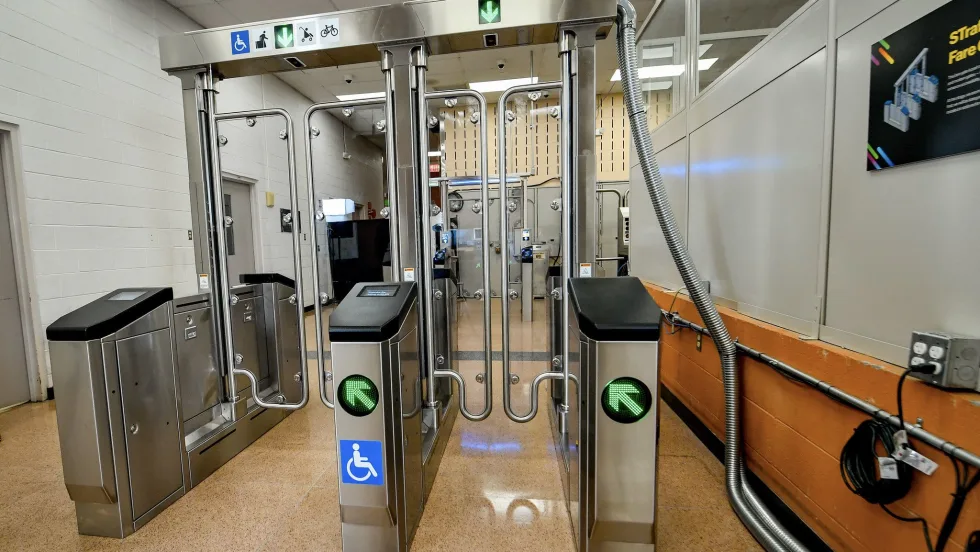
MTA Fare Gate Pilot Reduces Fare Evasion by 35%
Following a 20-station pilot, the agency plans to install new fare gates at 20 additional subway stations as part of a $1.1 billion modernization initiative.
Read More →
California Law Extends AC Transit’s Bus Lane Camera Enforcement
The new law allows AC Transit to continue using forward-facing bus cameras to enforce parking violations in bus-only lanes and at bus stops.
Read More →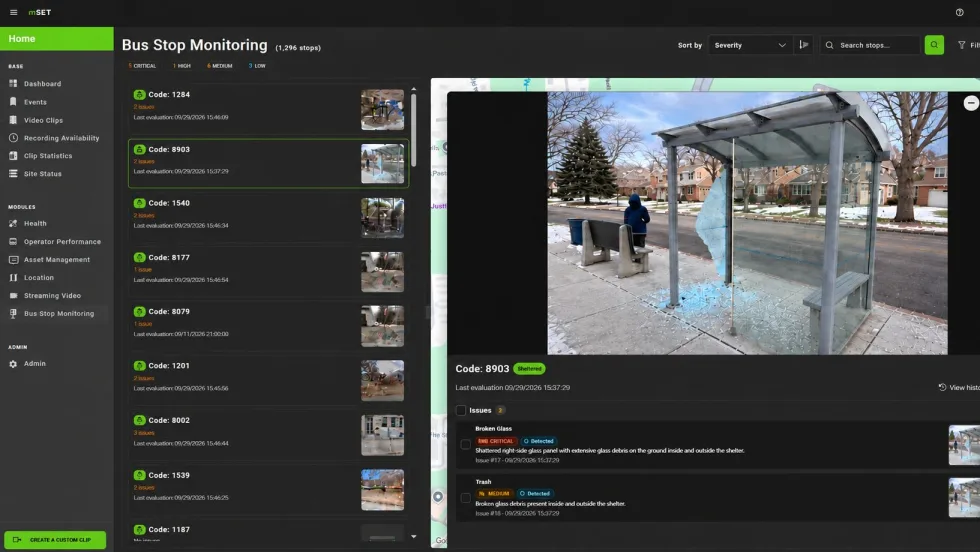
Biz Briefs: Luminator Launches AI Technology to Monitor Bus Stop Conditions and More
In METRO's latest installment, we also take a look at recent news from Masabi, Troman Industries, ioki, CCW, and more partnerships making headlines across the transportation sector.
Read More →
Public Transit Conference Returning to GFX in 2027, Call for Papers Now Open
The Call for Papers is now open, allowing transit agency professionals and industry experts to help shape the PTC educational program by submitting session ideas for consideration.
Read More →
ENC Lands MATA Contract and More in Biz Briefs
In this edition of Biz Briefs, we spotlight the latest developments shaping the future of mobility.
Read More →
Strada360’s Steve Lassey on Turning Transit Data Into Better Decisions
From breaking down data silos to preparing for AI, Strada360 CEO Steve Lassey discusses how transit agencies can use technology to improve operations, customer information, and long-term decision-making.
Read More →
Almaviva Looks to Open Architecture to Advance Transit Technology
Eric Reese discusses how interoperability, open architecture, and modular design can help transit agencies control costs, reduce vendor lock-in, and upgrade technology without starting over.
Read More →
Driving Smarter Paratransit
John Hanlon shares how AlphaRoute is leveraging AI-powered technology to help paratransit providers optimize operations, support frontline staff, and enhance the rider experience.
Read More →
From Hardware to Digital Partner: Luminator Charts Its Next Chapter
CEO Magnus Friberg discusses Luminator’s shift toward becoming a digital partner, the growing importance of software and interoperability, and how AI can help agencies improve operations and passenger experience.
Read More →
Beyond the Checklist: A Structured Approach to Transit Maintenance
Reliability-Centered Maintenance helps transit agencies move beyond routine checklists to focus limited resources on the assets and failures that have the greatest impact on safety, reliability, and service.
Read More →