




RELATED: BART police taking steps to combat cellphone thefts
BART upgrades digital signage at stations
The features include a Fleet of the Future tracker and details about cancelled trains.
September 4, 2019
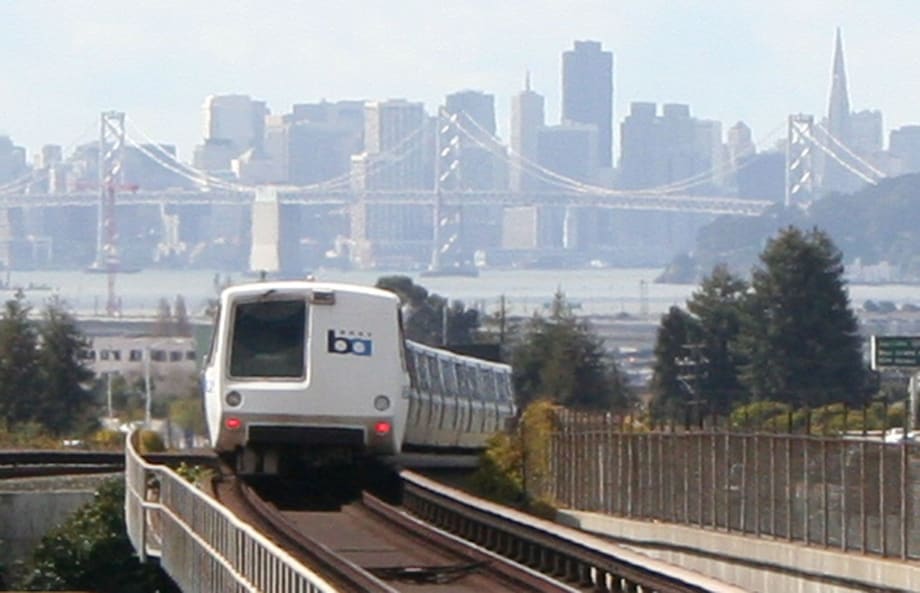
BART’s current platform signs are no longer manufactured, making repairs difficult as parts need to be replicated.
BART
2 min to read
BART’s current platform signs are no longer manufactured, making repairs difficult as parts need to be replicated.
BART
As part of BART’s new GM Bob Powers’ plan to improve the customer experience through increased communication, the agency unveiled two significant additions to its digital platform signs.
The features include a "Fleet of the Future" tracker and details about cancelled trains.
“These improvements will increase transparency with our riders and will show we are working on ways to make taking BART easier and more enjoyable,” said Powers.
Riders at the platform level will now know if one of the approaching trains is a Fleet of the Future train with three doors or a legacy train with two doors. The display will specifically note if the approaching car has two or three doors. The information is very important for people who use wheelchairs as the wheelchair area on the new cars is located near the middle door. Floor decals marking where the third door lines up on the platform have already been installed at a few stations and will continue to be placed systemwide.
The Fleet of the Future train tracker in being rolled out in phases and will be added to the Real Time Departures feature on bart.gov and the BART Official app before the end of the year. The agency also plans to offer the new train data feed for third-party developers at a later date.
The platform signs will now also make clear when a scheduled train has been cancelled or removed from service. The sign will specifically note when a train has been cancelled, giving riders advance warning. BART’s new Trip Planner shows cancelled trips, but until now the platform signs didn’t. The train would simply disappear from the sign and PA announcements would be made at the station.
The Computer Systems Engineering team is currently exploring the next generation of platform signs and plans to pilot modern signs at three yet-to-be-determined stations in the next 12 months. BART’s current platform signs are no longer manufactured, making repairs difficult as parts need to be replicated. Staff want new signs that use full color to incorporate the color of each line as the new Fleet of the Future trains do and the ability to post side-by-side messages.
More Technology

Bus Tech Talk: Keeping Transit Technicians Ahead of the Technology Curve
LA Metro’s Obed Mejia discusses technician training, evolving maintenance technology, fleet replacement, and strategies for getting the most out of today’s transit fleets.
Read More →
Biz Briefs: RIPTA Unveils New Frontrunners, Clevland RTA Adds New Siemens, and More
In METRO's latest installment, we take a look at recent news from Siemens, Prevost, Dodge, and more partnerships making headlines across the transportation sector.
Read More →
Why Simulating Pedestrian Movement Has Become Essential for Modern Rail Stations
Pedestrian microsimulation is helping rail planners identify bottlenecks, test station designs, and prepare complex transit hubs for growing passenger volumes.
Read More →
APTA Transform Conference & EXPO Exhibitor Spotlight
METRO’s Exhibitor Spotlight provides a quick look at some of the companies exhibiting at this year’s event, including where to find them on the show floor.
Read More →
CharterUP’s Armir Harris on Technology, AI, and the Future of Group Mobility
In a recent episode of METROspectives, CharterUP Founder/CEO Armir Harris discussed the company’s evolution from an online charter bus marketplace into a technology platform supporting public- and private-sector mobility and much more.
Read More →
Biz Briefs: ChargePoint, Eaton Power Santa Monica’s Electric Bus Fleet Transition and More
From manufacturers and suppliers to transit agencies and motorcoach operators, these updates offer a snapshot of the projects, partnerships and business moves driving the industry forward.
Read More →
Stay Connected With METRO Magazine Across Social Media
Are you following us on Facebook, LinkedIn, and YouTube? Join the METRO community now!
Read More →
RTD Launches NextRide App to Consolidate Trip Planning, Fares, Security Reporting
The app expands on RTD’s existing NextRide web application and allows customers to view real-time vehicle locations and service alerts, purchase and store digital fares, and access customer support.
Read More →
The Business Voice Behind Public Transportation
As chair of APTA’s Business Members Board of Governors, Ray Melleady explains how more than 850 business members are partnering with transit agencies to advance funding, innovation, and industry-wide collaboration.
Read More →
People Movement: ABC Names John Walsh as Chief Commercial Officer
In this edition, METRO also covers recent appointments and announcements at the DART, STV, and more, showcasing the individuals helping to shape the future of transportation.
Read More →